

In other circumstances, the warning signs may be more subtle, such as withdrawal, fearfulness around staff, or a decline in overall health without a clear medical explanation.
Nursing homes generally consist of registered nurses, a licensed practical nurse, a physical therapist, and an administrative assistant. These individuals are meant to provide a safe space for patients to live and maintain a healthy lifestyle.
The growing concern of nursing home neglect is leaving many individuals feeling fearful and unsure about their futures. Oftentimes, patients’ needs are not being met, as many are facing issues of negligence and abuse.
Nursing home neglect is seen as a failure to meet the basic needs of patients who are under the care of the nursing home staff. The forms of negligence that are often seen within these facilities are poor supervision, failure to assist with hygiene or nutrition, and dehydration among patients.
Physical forms of abuse can include pushing, hitting, or intentionally failing to support patients. Bruises, broken bones, or dental injuries can be signs of nursing home neglect and should be taken seriously by patients and their caretakers. Emotional abuse, on the other hand, can include isolation, withdrawal from social activities, and changes in sleeping and eating patterns.
Caregivers, staff, and the nursing home facility may be held liable for injuries caused to patients. These parties are responsible for maintaining the overall health and well-being of their patients and ensuring they receive the proper support and care they need to live. Healthcare professionals who are ill-equipped may not be able to provide sufficient care to their patients, ultimately increasing the chance of abuse. In addition, understaffed nursing home facilities cannot provide the necessary supervision to their patients.
Studies have shown that about 10% of all individuals over the age of 65 experience abuse in some way or another. This percentage is seen to be higher for nursing home facilities. Individuals who have been victim to nursing home abuse are at risk of further hospitalization and severe or long-term health risks.
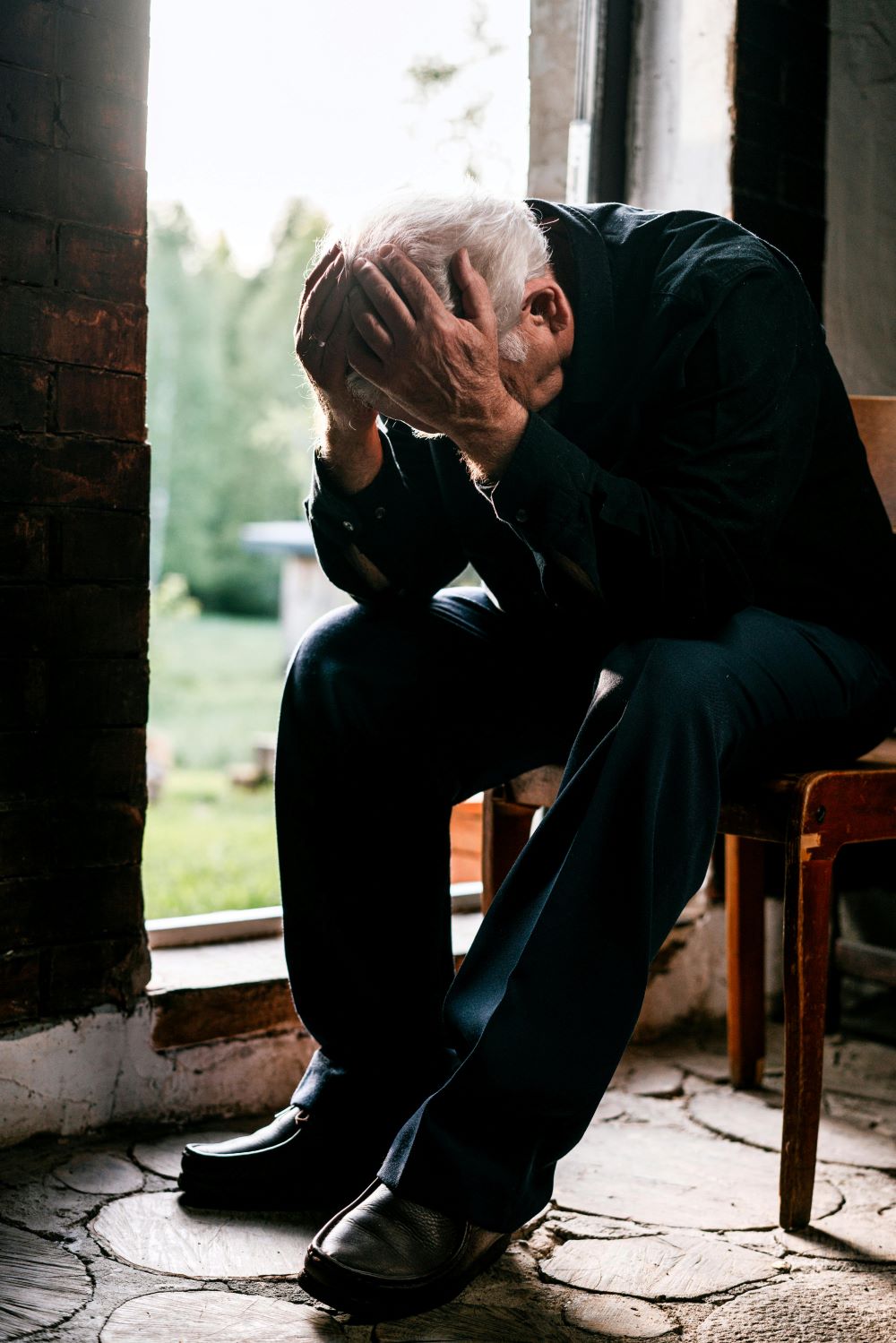
Those who have experienced nursing home neglect should understand the legal options available to them to receive the proper care and support they need to maintain a healthy and safe lifestyle. Victims should gather evidence such as documents, images, and other necessary records to build their claim. Individuals should also request information from the nursing home staff to include in their case.
Victims who have experienced nursing home abuse may be able to seek justice and compensation for their injuries. Compensation may include hospital costs, medical expenses, or emotional distress. Punitive damages are set in place to punish facilities that may be portraying negligence towards their patients in order to limit future harm.
Nursing home abuse and neglect can take many forms, including physical mistreatment, emotional abuse, inadequate medical care, poor hygiene, malnutrition, and unsafe living conditions. In some cases, the signs may be obvious, such as unexplained bruises or sudden changes in behavior. In other circumstances, the warning signs may be more subtle, such as withdrawal, fearfulness around staff, or a decline in overall health without a clear medical explanation. Understanding these signs and the importance of nursing home abuse can help decrease the chance of further harm and injuries from occurring. If you or someone you know has suffered injuries from nursing home neglect or abuse, you may have legal rights to build a claim.
Sources:
Elder Abuse: A Comprehensive Overview and Physician-Associated Challenges
Join the conversation!