

Emergency visits for low back pain see fewer opioids but steady imaging.
From 2016 to 2022, visits to U.S. emergency departments for low back pain remained a common reason people sought urgent care. A new analysis of national data shows that opioid prescribing for these cases has gone down in recent years, but the use of X-rays has stayed fairly high. Researchers looked at records from the National Hospital Ambulatory Medical Care Survey, covering more than 6,500 individual lower back pain visits during the six-year period. In total, the data represent an estimated 52.8 million low back pain visits nationwide, about one in every 20 emergency department visits. The average patient in these cases was around 45 years old, most were women, and just over half were non-Hispanic White.
The study found that the average pain score reported during these visits was 7.2 out of 10, showing that patients were experiencing fairly high discomfort when they arrived at the hospital. Opioid use in the emergency department dropped from 35% of visits in 2016 to about 24% in 2022. Opioid prescriptions for patients to take home also declined sharply, from 32.5% to 13.5% over the same period.
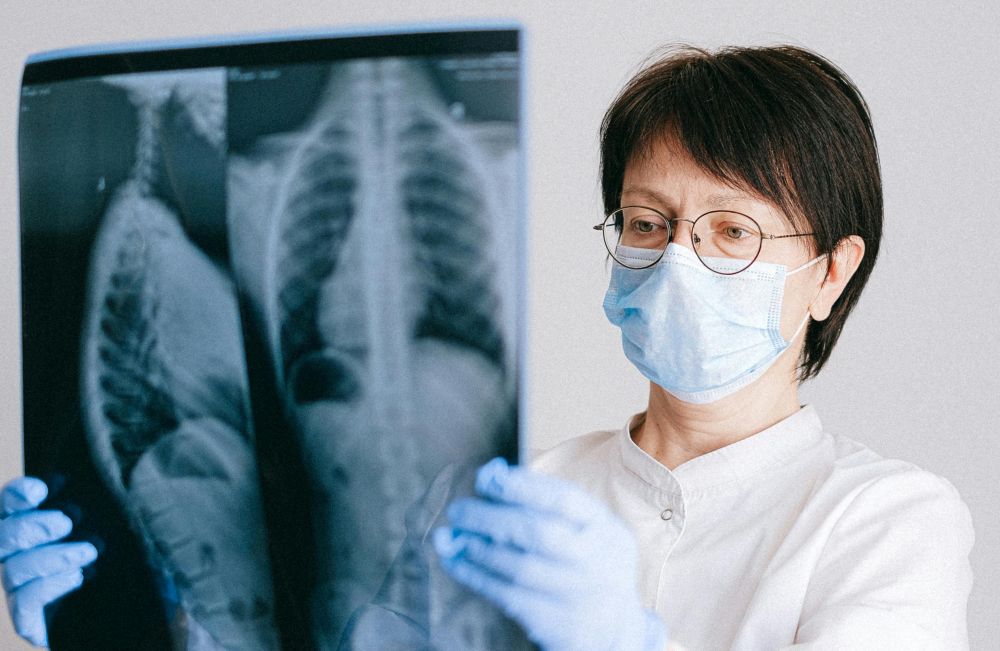
While the trend in opioid prescribing shows a significant shift, likely influenced by awareness of opioid addiction risks and updated treatment guidelines, the use of X-rays has not changed as much. About 39% of visits included a plain X-ray, while CT scans were done in just over 5% of cases and MRI scans in a little more than 3%. These numbers have stayed relatively stable across the years, even though experts generally recommend limiting imaging for low back pain unless certain warning signs are present.
Older patients stood out in the findings. Those aged 75 and above were more likely to receive opioids and more likely to have imaging tests than younger patients. This may be due to the higher likelihood of serious conditions in this age group, though it could also reflect differences in how pain and mobility issues are managed in older adults.
The results point to progress in reducing opioid use for low back pain in emergency settings. At the same time, they highlight an area where practice has not shifted much — the continued high rate of X-rays. Since many cases of low back pain are not caused by problems visible on X-ray, overuse of imaging can add unnecessary costs and expose patients to radiation without improving outcomes.
The study authors noted that one in every 20 emergency visits in the U.S. during the study period was related to low back pain. They also pointed out that while opioids can sometimes be appropriate for severe pain, they carry risks, and other treatments are often preferred as first steps. For imaging, they said the relatively steady numbers suggest that education and guideline awareness may not have had as strong an impact in this area.
Overall, the data show a mixed picture: fewer opioids being prescribed, which aligns with safer prescribing practices, but continued reliance on imaging, even in cases where it may not be needed.
Sources:
Opioid Use Falls in ED Visits for Back Pain
National Hospital Ambulatory Medical Care Survey
Emergency Physicians Prescribing Fewer Opioids for Low Back Pain, Study Finds
Join the conversation!