
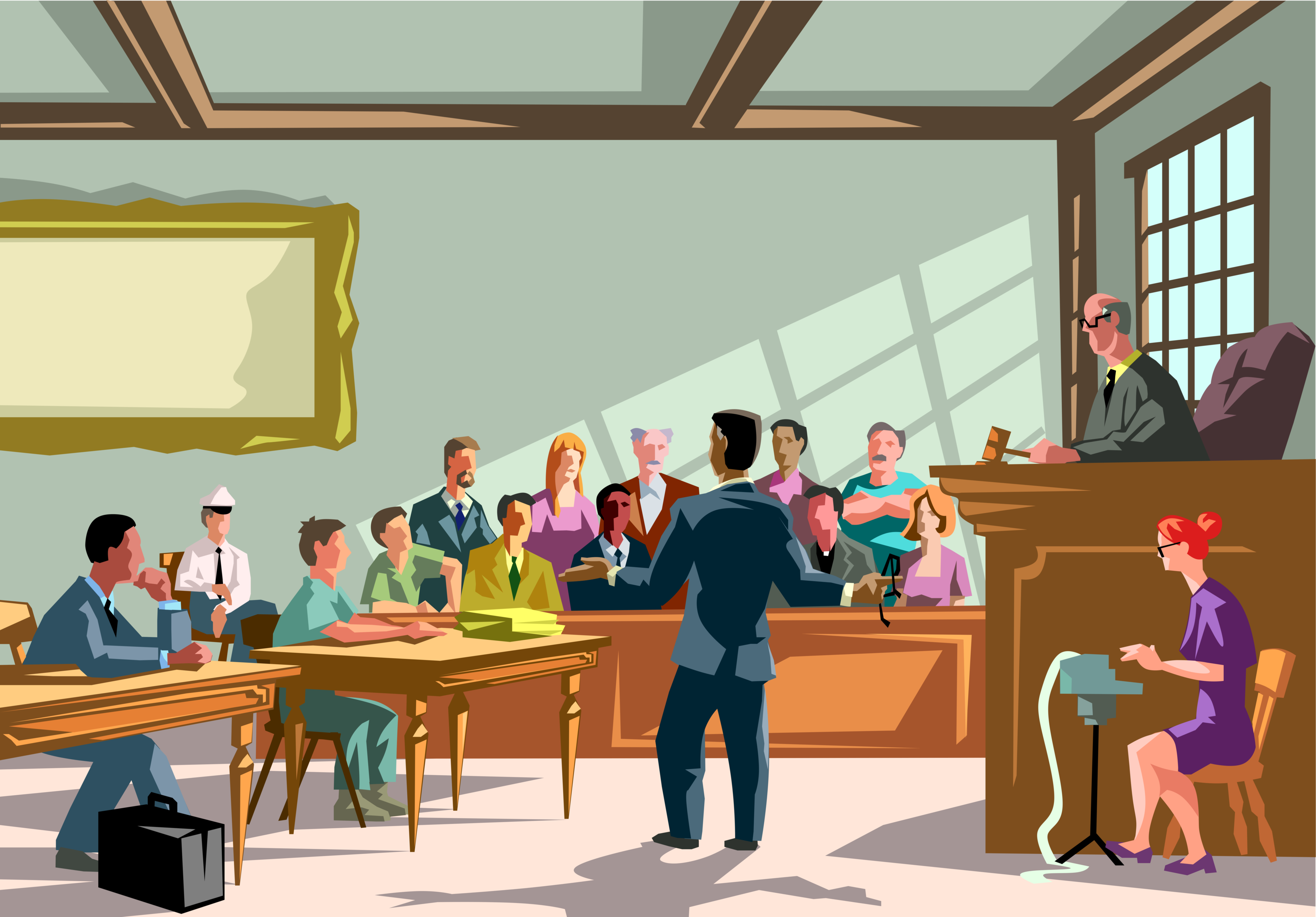
Courtroom dramas make for great television, but real‑world personal injury practice is built on leverage created long before a jury is seated.
When most people picture a personal injury claim, they imagine dramatic courtroom scenes with juries, closing arguments, and verdicts. Movies and TV shows have reinforced the idea that every injury case ends with a trial. The truth, however, is far less theatrical: the overwhelming majority of personal injury cases in Texas — and across the U.S. — never reach the inside of a courtroom. Instead, they are resolved through settlements.
This gap between perception and reality leaves many clients confused, frustrated, and sometimes mistrustful of the legal process. To bridge that gap, it’s worth examining why settlements dominate the personal injury landscape, what misconceptions clients bring to the table, and how attorneys can set realistic expectations from the beginning.
Why Settlements Dominate (Not Trials)
Civil justice data consistently shows that only a small percentage of tort cases end in a verdict. One widely cited primer notes that roughly 3% of tort matters are decided by trial, which means well over 90% resolve short of a jury—typically through negotiated settlement, mediation, or dismissal. See: Justia, U.S. Tort Liability Primer – Settlement vs. Trial.
There are practical reasons for this:
- Risk and Variability. Even with strong facts, juries are unpredictable. Settlement converts uncertainty into certainty, which is especially important when medical bills, wage loss, and ongoing care depend on a timely recovery.
- Time and Cost. Litigation is resource‑intensive. Depositions, experts, and motion practice consume months and significant dollars. Settlements typically arrive far sooner than a verdict and avoid much of the spend that can reduce a net recovery.
- Information Arrives Early. In modern injury cases, the key facts—fault, medical causation, comparative negligence—often become clear during claims handling or early discovery. Once the parties can reliably value a claim, the marginal benefit of trial shrinks.
- Capacity Constraints. Court calendars are busy. Limited trial settings push parties to negotiate in the windows that judges, mediators, and insurers expect.
Misconceptions Clients Bring In
Popular culture primes people to expect a courtroom showdown, and that shapes goals in the first consultation. Three misunderstandings show up again and again:
- “If we don’t go to trial, we will leave money on the table.” Not necessarily. Trials can produce higher verdicts, but they also carry the very real possibility of losing outright, or winning less than prior offers. A fair settlement trades some upside for speed and certainty.
- “My case will be fast because the facts are clear.” Clear liability helps, but medical documentation, lien negotiations, expert reviews, and scheduling realities still take time. Quality results depend on patience and record‑building.
- “Insurance will do the right thing once they see I’m hurt.” Carriers evaluate claims by exposure and proof. Credible documentation and litigation leverage move numbers—not sympathy alone.
How Insurers Think (And Why That Matters)
Insurers manage portfolios of risk. They set reserves, track venue trends, and price uncertainty. Understanding that framework helps explain settlement behavior:
- Reserves Move With Facts. When plaintiffs pin down liability (for example, with crash data, video, or admissions) and present clean medical causation, adjusters revisit reserves and authority—often the inflection point for serious offers.
- Settlement Windows. Two moments commonly move numbers: after key fact discovery (police officers, corporate reps, treating physicians) and pre‑expert designations or mediation. Offers tend to jump when new information sharpens the verdict range.
- Anchoring and Counter‑Anchoring. Early low offers are common. Plaintiffs who present a precise damages model—medical specials, future care, wage loss, and non‑economic damages explained in plain language—counter that anchor and narrow the gap.
What Skilled Counsel Actually Do To Increase Settlement Value
Settlement is not passive—it’s earned. Effective plaintiff practice is about building credible trial readiness so that settlement reflects true exposure.
1) Blueprint discovery around the trial story. Start with the elements you must prove and work backward. Request policies, training, maintenance, EDR/telematics, and third‑party video. Use focused Rule 30(b)(6) topics in commercial cases and preserve key admissions on the record.
2) Use depositions as settlement exhibits. A clear admission or a five‑minute clip of a corporate representative explaining a safety gap often travels further inside a claims file than a long brief. Curate the moments that matter.
3) Quantify damages with documentation, not adjectives. Clean medical timelines, CPT codes, treating‑provider support for future care, and straightforward wage‑loss proof (W‑2s, supervisor letters) make offers move.
4) Mediate with a narrative, not a data dump. Effective mediation memos tell a simple story, present the top three liability facts, the top three risks, and a reasoned damages range. That structure gives an adjuster everything needed to recommend authority.
5) Keep credibility with the court. Judges reward proportional discovery and real meet‑and‑confer efforts. Credibility wins scheduling breaks and helps keep the defense from using procedural skirmishes to stall.
When Trial Still Makes Sense
Some disputes should be tried. That includes cases with strong liability and high damages where policy limits are adequate, matters where the defense refuses to negotiate in good faith, or claims presenting novel legal issues. The key is to signal authentic readiness—trial settings, exhibit lists in shape, clean motions in limine—so the defense sees the same upside/downside calculus you do. Many high‑value settlements arrive on the courthouse steps precisely because the trial became real.
Texas Texture: What’s Different Locally
While the settlement logic above applies nationally, Texas practice adds a few dynamics that clients and counsel should understand:
- Venue Matters. Jury composition, congestion, and historical verdict patterns differ county‑to‑county. Local experience helps forecast likely ranges and timelines.
- Digital Evidence Is Routine. From vehicle EDR data and dash/body‑cam footage to EMR audit trails, digital sources often fix liability early. Mastering those sources accelerates resolution.
- Comparative Fault Rules. Texas’s proportionate responsibility framework can become a negotiation pivot. Thorough scene work, witness statements, and expert analysis help keep blame where it belongs.
If you’re evaluating your options, a conversation with a Personal Injury Lawyer Houston readers trust—someone who handles motor‑vehicle, trucking, premises, and catastrophic injury claims day‑in and day‑out—can clarify how these Texas‑specific factors apply to your situation.
A Reality Check For Clients

For injured people, the legal process can feel slow and opaque. Understanding what drives settlement equips you to make better decisions:
- Be patient with the record. Medical documentation and causation proof take time. Rushing to “get it over with” can depress value.
- Ask for a damage roadmap. Your lawyer should explain the components of your recovery—economic losses (medical bills, wage loss) and non‑economic harms (pain, limitations)—and how each is proved.
- Expect back‑and‑forth. Negotiation is a process. Movement often follows new information—imaging results, expert evaluations, or deposition testimony.
- Trial is a tool, not the goal. The point is a fair, timely result that funds treatment and stability. Trial remains available when it’s the smartest path.
Conclusion
Courtroom dramas make for great television, but real‑world personal injury practice is built on leverage created long before a jury is seated. Most cases settle because the facts—and the costs and risks of trial—push parties toward informed compromise. For clients, that’s not a defeat; it’s often the most reliable route to the resources needed to heal and move forward. For counsel, the work is clear: build the case as if it will be tried, present the proof in a way an adjuster (and a jury) would understand, and use that credibility to secure a settlement that reflects true exposure.
Join the conversation!