

Keeping yourself informed is the best way to prevent hospital negligence and know what to do if you end up becoming a victim.
Pregnancy is one of life’s greatest blessings, but too many expectant mothers are often victims of hospital negligence that puts both them and their babies in harm’s way. While there are dedicated professionals in the medical sector, institutional mistakes in protocol can do irrevocable damage to families. Being aware of such potential issues can help you advocate for yourself and find the best legal recourse to deal with the situation.
Inadequate Screening for Infectious Diseases
Hospitals frequently disappoint pregnant women by using inadequate screening practices or missing critical tests altogether. This negligence often allows dangerous conditions to slip by until it’s too late. One of the major issues is failing to screen for infectious diseases. That’s why it’s critical to understand, “what are maternal infections and what do they involve?”
Maternal infections refer to any diseases that can be transmitted from mother to baby either before or during childbirth, posing a significant threat to the fragile lives of developing infants. While these infections may produce only mild symptoms in mothers, they have the potential to harm a baby’s developing brain and nervous system.
The legal system addresses the screening negligence by multiple means, as substandard screening of infectious disease is a serious deviation from the acceptable standard of care. From a regulatory standpoint, state health departments can place sanctions, impose fines, or even temporarily suspend licenses. And the Joint Commission itself can have a hospital’s accreditation revoked if there are systematic failures of the type related to material care protocols.
If your hospital failed to provide appropriate screening, resulting in injuries to your baby, you may have grounds for a medical malpractice case where an experienced attorney can help. Just be sure to keep a record of each test that was missed, delayed test results, and inadequate screening protocols.
Poor Communication and Informed Consent Violations
Another failure is hospitals’ shocking inability to inform pregnant women of risks, test results, and choices of treatment. This failure of communication isn’t just frustrating, but it can also be risky and even unlawful in some cases. Informed consent statutes mandate that medical professionals describe procedures, risks, and alternatives in a manner that patients may comprehend.
Poor communication that results in uninformed decisions or slow treatment can be medical negligence. Under the informed consent statute, a nondisclosure of material risks may be actionable as battery or negligence per se.You must prove that the hospital didn’t supply important information that would’ve been reasonable for a patient to know, and that you would have refused or chosen a different therapy had appropriate disclosure been made.
To strengthen your case, it’s important to document your healthcare provider’s failure to provide consent forms or leave you with unclear explanations. Also, highlight any inconsistencies between verbal reassurance and written directives for better legal outcomes.
Inadequate Emergency Response During Labor and Delivery
One of the most dangerous situations is when hospitals mess things up in labor and delivery, especially when complications arise and time is of the essence. Things can quickly become serious in childbirth, with maternal bleeding, fetal distress, infection-induced complications, and cord prolapse being some of the most common issues. If anything like this happens to you, you have a strong ground for filing a medical malpractice case.
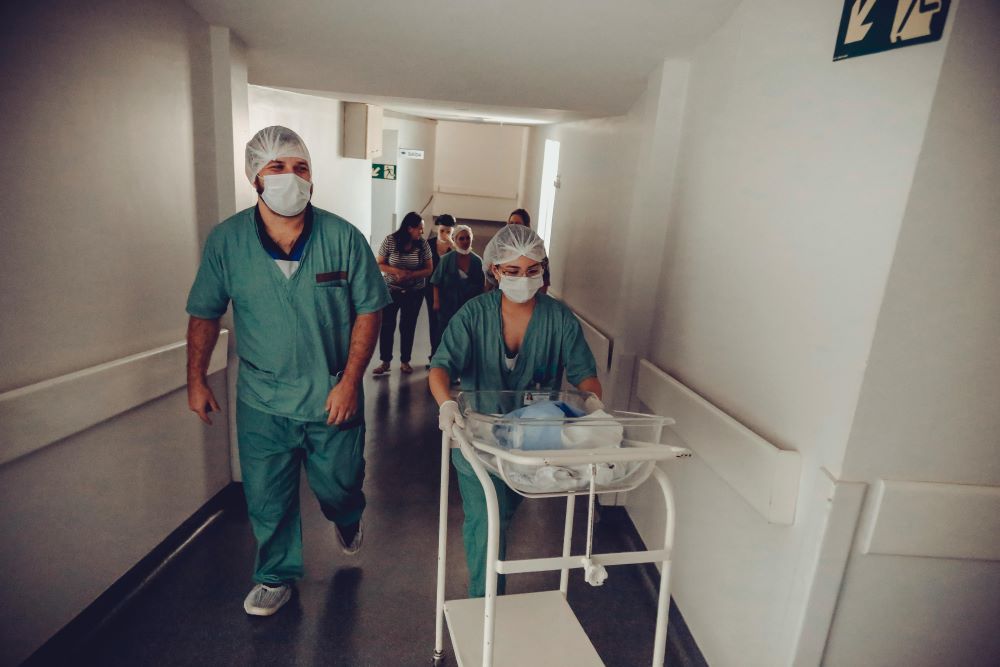
Legally speaking, delayed emergency response may constitute a breach of duty if it falls below accepted obstetrical standards, amounting to negligence per se if accepted rules of practice, such as fetal monitoring and prompt cesarean sections, are violated.
To file a claim, it would be helpful to gather continuous fetal monitoring strips, nurse’s notes, and timestamped reports of requests for intervention. An affidavit by an expert obstetrician will also help to demonstrate the casual connection between delay and resulting injury. Keep in mind that most states have rigorous notice requirements for birth-injury claims, so your lawyer must file notice of intent under the statutory time limit to preserve your right to recovery.
Endnote
Keeping yourself informed is the best way to prevent hospital negligence and know what to do if you end up becoming a victim. Still, be sure to ask the right questions, get copies of all test results, and reach out for second opinions if something seems amiss.
Join the conversation!