

You can cooperate with an insurer without handing them sound bites.
Insurance calls after a crash can feel polite and routine. The adjuster may sound helpful, but their job is to protect the insurer’s bottom line. This means steering you into statements that reduce the value of your claim or shift blame onto you. You do not have to be rude. You just need to be careful, keep it simple, and avoid guessing. Here are five adjuster questions that can quietly hurt your car accident claim.
- Can you give me a recorded statement?
A recorded statement is rarely just routine. It locks you into details before you have medical answers or the full crash report. If you guess, ramble, or use the wrong words, it can be replayed later to challenge you.
A safer move is to decline politely and say you will provide written basics after reviewing documents. If you feel pressured, ask to speak with Houston auto accident attorneys before you agree to any recording.
- Can you tell me what happened?
Adjusters want a neat story right away. When you are shaken up, details come out wrong. You may say “I didn’t see them,” or “I might have been going a bit fast,” even if that is not true. Answer with basics only. You should only share the time and location, and say that you are still getting medical care and gathering facts. Point them to the police report number, then stop.
- Are you hurt?
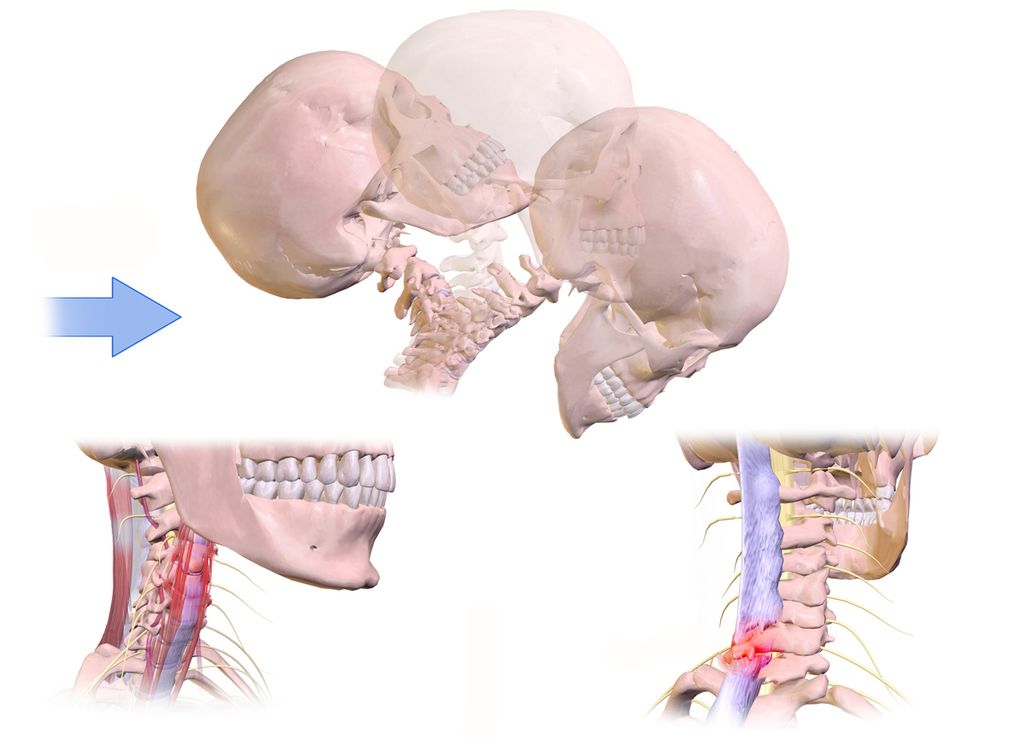
Whiplash injury; image by Bruce Blaus, CC BY-SA 4.0, via Wikimedia Commons.
This question sounds harmless, but it is not. Many injuries show up later, especially whiplash, concussions, and back strain. If you say that you are fine, they will repeat it in every note. If you say you are just sore, they will treat it like a small case. A safer response would be that you are still being evaluated. Then mention symptoms you have noticed, without exaggeration. See a doctor and follow through, because gaps look bad.
- Have you had an injury like this before?
Prior injuries do not erase a new crash injury, but they can change the conversation. The adjuster may try to label your pain as “pre-existing” and deny responsibility. Do not lie, but do not volunteer extra history. If asked, keep it factual and brief. For example, you can mention that you had treatment in the past, it was stable, and the crash made things worse. Let your medical records and your provider explain the change.
- Do you have photos, videos, or witnesses?
They want your evidence fast, before you have the full picture. This includes dashcam clips, posts, and statements you have not reviewed. Once you send something, you cannot take it back. You might also miss key angles that show impact or road conditions. Tell them you are collecting everything and will provide it through the proper channel. Be sure to get names and numbers from witnesses while memories are fresh.
Endnote
You can cooperate with an insurer without handing them sound bites. Keep answers short, and don’t guess. Don’t accept settlement pressure when you are healing. Additionally, collect records, receipts, and crash details. Then get guidance before you say something that cannot be unsaid. The right support helps you protect your recovery and your compensation.
Join the conversation!