
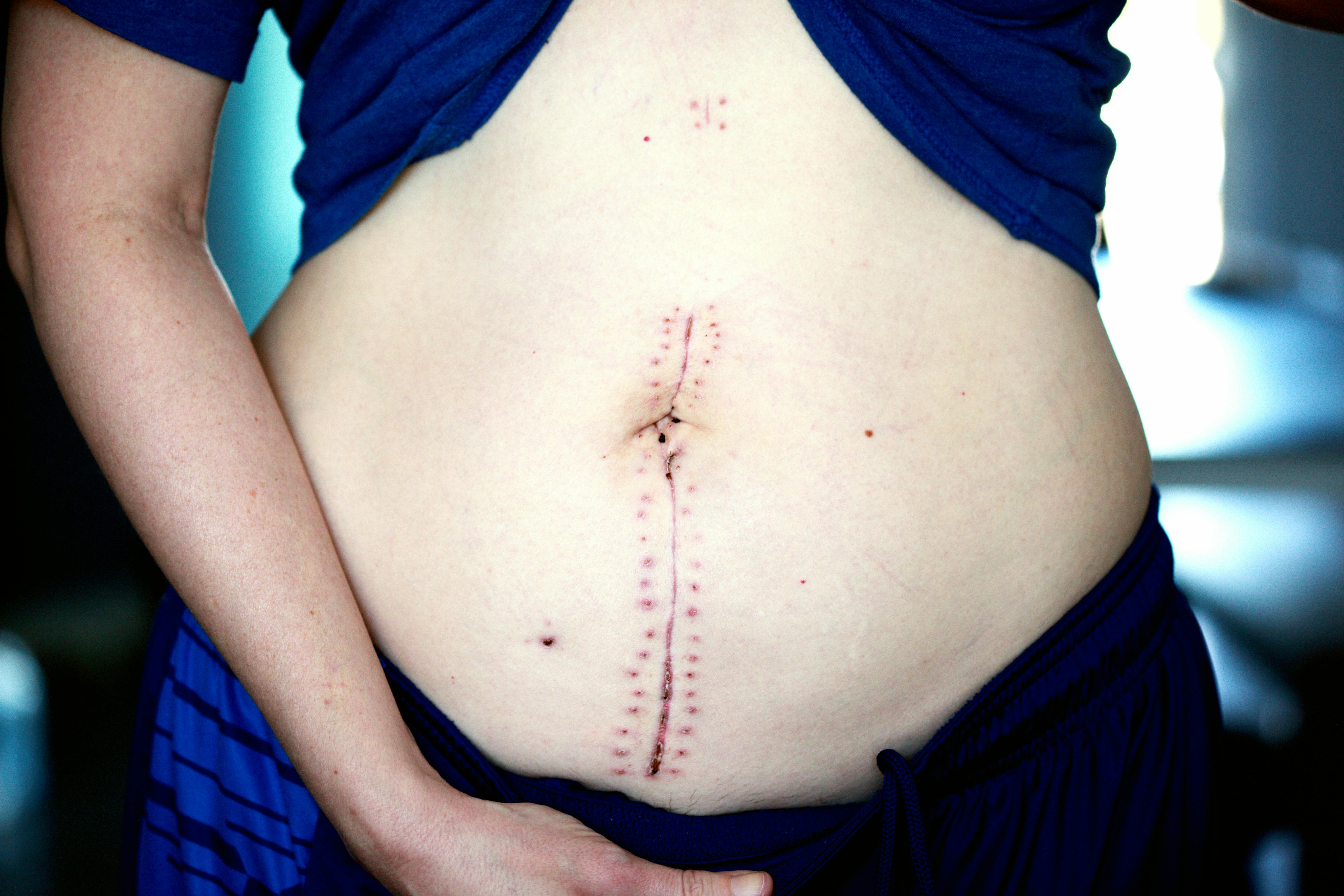
Planned cesarean births linked to slight increase in childhood leukemia risk.
A recent study has found that children born through planned cesarean sections may have a higher chance of developing a type of blood cancer later in childhood. The research, which looked at health records of nearly 2.5 million children born in Sweden over several decades, showed a connection between planned surgical births and an increased risk of acute lymphoblastic leukemia. This form of cancer is the most common type of leukemia in children.
Out of all the children studied, more than 1,400 later developed leukemia. Researchers separated those born through planned and emergency cesarean sections and compared them with those born through vaginal delivery. A noticeable pattern emerged. Children born through planned C-section were more likely to be diagnosed with leukemia, especially the B-cell form, which makes up most childhood cases.
The numbers show a 21 percent higher risk of acute lymphoblastic leukemia in children born by planned surgical delivery. For the B-cell subtype specifically, the risk rose to nearly 30 percent. While this sounds large, experts stressed that the overall number of affected children remains low. On average, Sweden sees only about 50 to 70 new cases of this leukemia each year. According to the data, this increase would translate to roughly one extra case per year tied to planned surgical births.
The difference between planned and emergency cesarean sections may lie in how babies experience birth. Emergency procedures often begin with labor, even if the delivery doesn’t finish that way. That process may expose the baby to helpful bacteria and stress signals from the birth canal. These early exposures could help kickstart the baby’s immune system. In contrast, planned procedures usually happen before labor starts. This means babies delivered this way don’t encounter the same early challenges and may miss some early immune system development.
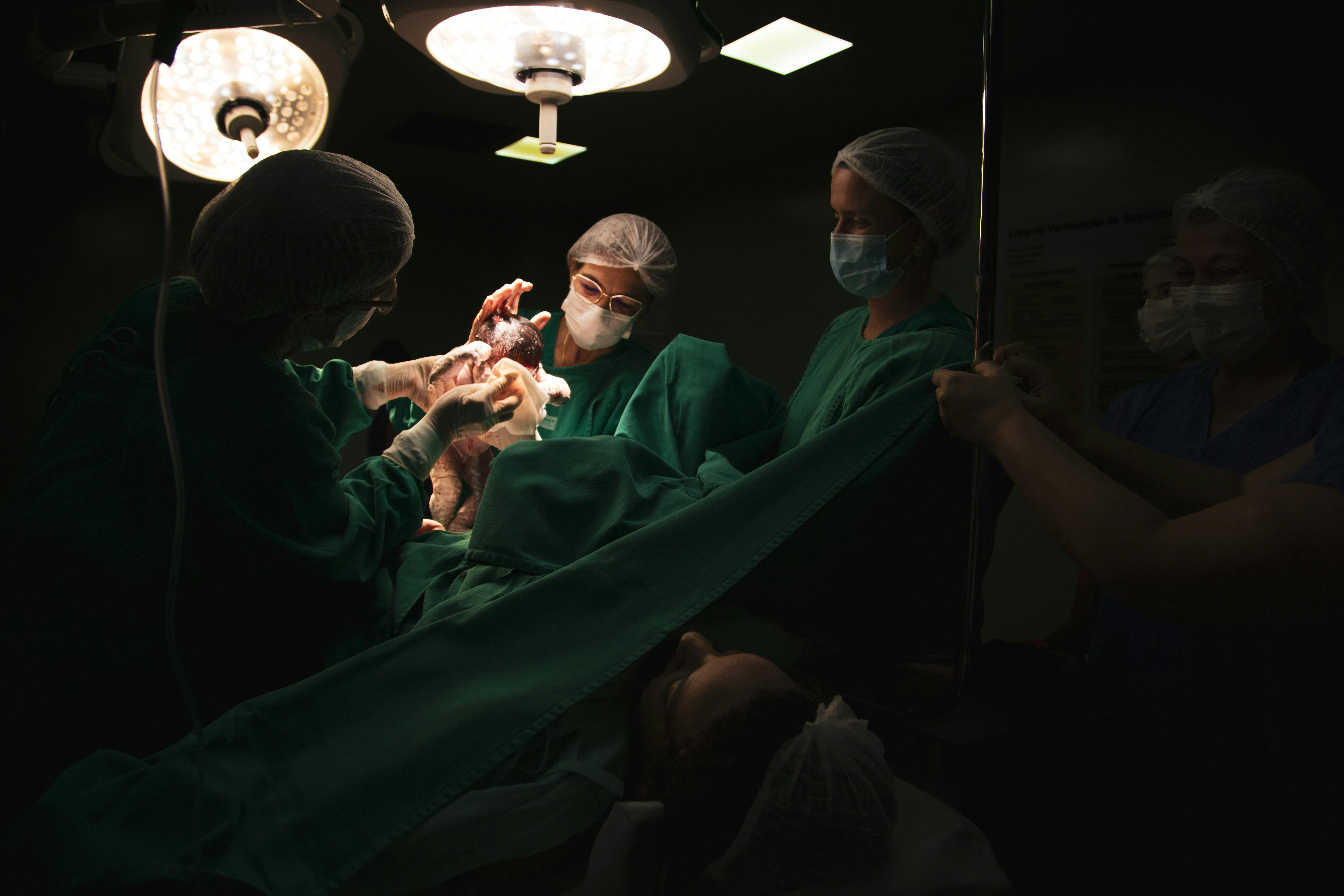
The research team explained that these factors may play a role in why children born through planned surgical delivery show a slightly higher chance of getting leukemia. The theory is tied to the way the immune system develops in newborns, and how early events may set the stage for how it works in the future. Conditions like allergies, asthma, and type 1 diabetes have also been shown in earlier studies to be more common in those born through planned surgical delivery.
Still, doctors stress that surgical births save lives and should never be avoided when medically needed. The researchers made it clear that their findings don’t mean that people should fear or avoid cesarean sections that are necessary for safety. The goal is not to increase worry but to understand the effects of delivery methods and support more informed decisions when there’s flexibility in how a birth happens.
Some parts of the study did not meet the highest standard for statistical strength, meaning that chance cannot be ruled out completely. However, the findings are in line with previous research and remained steady even after adjusting for other factors, such as maternal age, health issues, and birth weight.
The researchers behind the study believe that the data adds to growing knowledge about early-life events and their long-term effects. They hope this work will support a better understanding of what may lead to cancer in children and how birth-related factors could play a role.
The study was led by a team at a respected medical research institute and was supported by national funding groups. The results were published in a peer-reviewed journal and add another piece to the puzzle of childhood leukemia and early immune development. As research continues, more will be learned about how the beginning of life might shape health in the years that follow.
Sources:
Planned C-sections linked to increased risk of developing childhood leukemia
Join the conversation!