

Cancer deeply affects both patients and families emotionally, not just medically.
A cancer diagnosis can shift the course of a person’s life overnight. For many, the road ahead is not just medical. It’s filled with hard questions, fear, and deep emotional strain. The person receiving the diagnosis is not the only one affected. Family members, caregivers, and close friends are often pulled into that same world of uncertainty. A recent national survey shows just how deeply people are affected when someone they love faces cancer.
The survey, conducted by researchers at The Ohio State University Comprehensive Cancer Center, gathered responses from over a thousand adults across the country. The findings show a pattern of shared emotional strain that begins from the moment a diagnosis is given. Life expectancy ranked highest on the list of concerns for most people. Other top worries included the type of treatment their loved one would go through and whether that person would be in pain. But beyond these immediate issues, people also named things like caregiver stress, side effects, family strain, and grief.
Mental health professionals who work closely with cancer patients are seeing the same patterns. Many say depression and anxiety are common, and not just during treatment. For some, these feelings linger long after the last appointment. Others struggle with fatigue, confusion, and emotional numbness that can last for months or years. When these symptoms are left untreated, they can get in the way of healing. Some people may stop treatment early, delay care, or isolate themselves completely. This makes it harder to recover and puts their long-term health at risk.
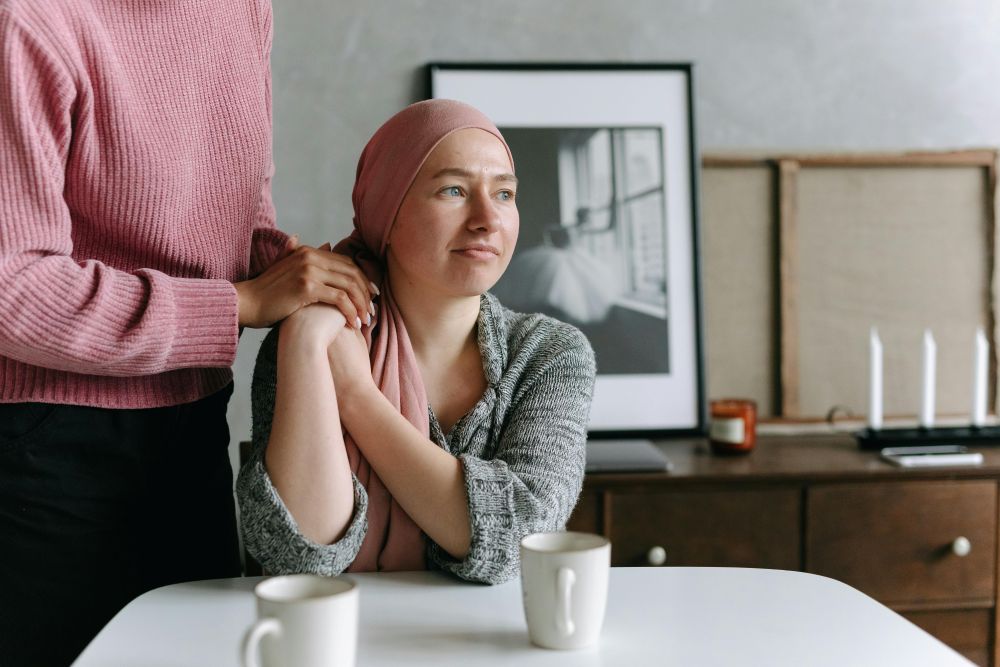
Doctors have also noticed that caregivers take on a lot of pressure. Many support their loved one day and night, handle medical tasks, and try to keep family life running smoothly. The constant worry and exhaustion can take a heavy toll. Some caregivers report feelings of guilt, sadness, and burnout. They often put their own health last, which can lead to bigger problems down the line.
Interestingly, the survey also found that age plays a role in how people respond to cancer in the family. Younger adults between 18 and 29 were more likely to feel grief right away. They also worried more about body image, both for themselves and the person diagnosed. Older adults, especially those over 65, focused more on the type of treatment being given and how hard it might be for caregivers.
Doctors who specialize in cancer care are pushing for change. One such doctor, who leads a psychosocial program at a large cancer hospital, said that patients often wait months to get help from a mental health provider. That’s too long for someone who is going through daily treatments or facing serious decisions. His team has grown to include more mental health workers who can step in early. They are also starting programs that bring mental health care directly to cancer doctors so patients can talk about emotional struggles during regular visits.
The hope is to close the gap between physical and mental care. If someone is already meeting with a cancer doctor they trust, adding mental health support to that same space makes it easier for them to ask for help. This can also help doctors who often find themselves being the first person a patient turns to when emotional struggles surface. A pilot program that tested this model was well received and is now being expanded to help even more patients, starting with those being treated for head and neck cancer.
Cancer brings more than just medical challenges. The emotional strain he disease touches nearly every part of a patient’s life and affects the people around them in ways that are often invisible. Surveys like this one show just how common those emotional struggles are and how much more work is needed to support both patients and caregivers as they face what can be the most difficult time in their lives
Sources:
Survey highlights widespread emotional impact of cancer on patients and their families
Emotional impact of cancer often overlooked, new survey finds
Join the conversation!