
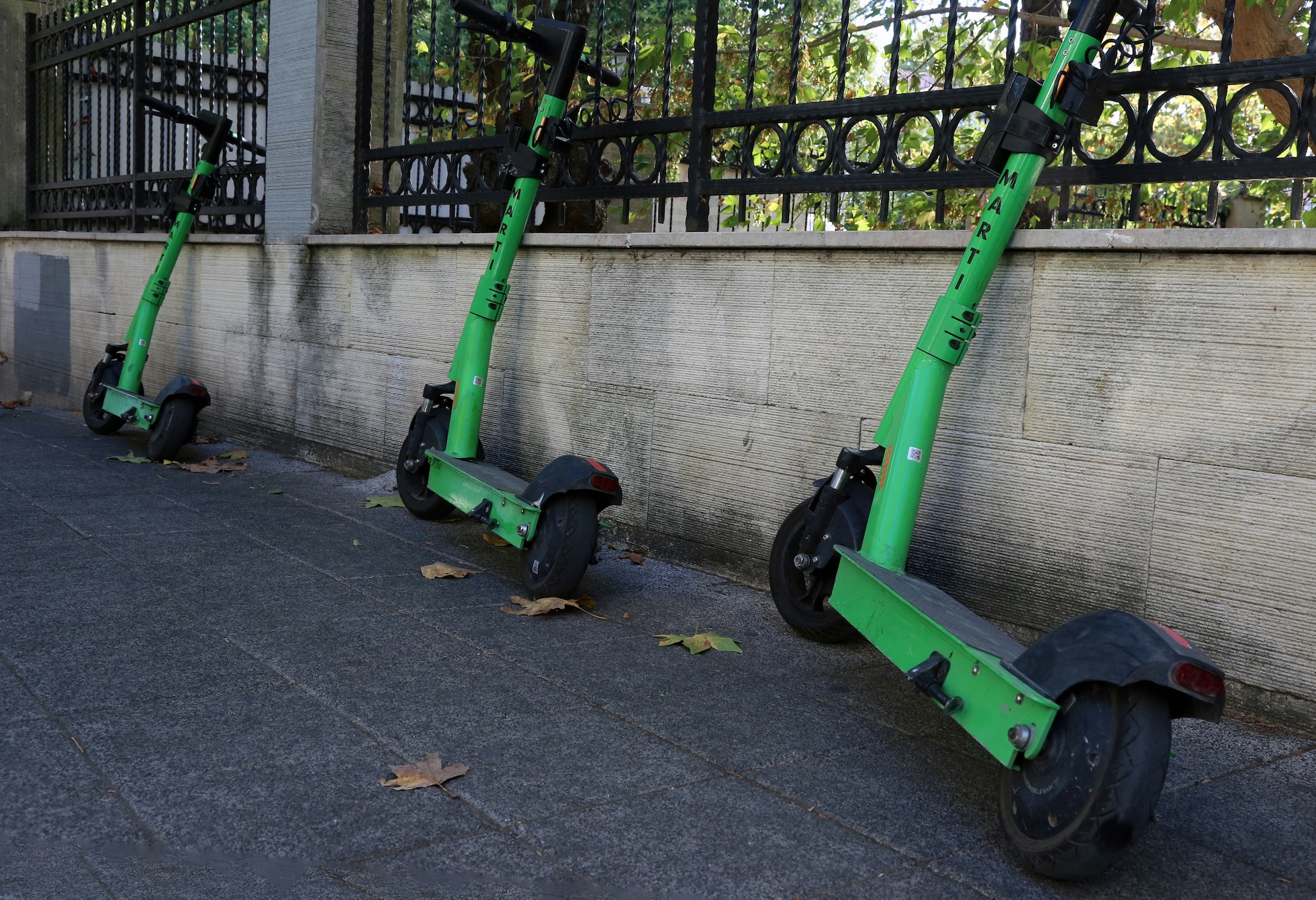
Determining legal responsibility depends on the details of the accident.
From broken bones and head trauma to collisions with vehicles and pedestrians, e-scooter injuries are becoming a public health concern—and victims are left wondering: Who’s responsible when an accident occurs?
The answer isn’t always simple. Liability in e-scooter accidents can depend on many different factors, including user behavior, road conditions, city maintenance, and the scooter company’s own policies.
E-Scooter Injury Trends on the Rise
According to recent studies, emergency room visits linked to electric scooters have surged over the past five years. A report by the U.S. Consumer Product Safety Commission found that from 2017 to 2022, injuries involving e-scooters increased by nearly 450%. Many of these injuries involve:
- Riders thrown from scooters due to potholes or sidewalk cracks
- Collisions with vehicles in busy intersections
- Malfunctioning brakes or throttles
- Pedestrians injured by careless riders on sidewalks
Legal Challenges in E-Scooter Cases
One of the biggest obstacles for injury victims is the fine print in scooter rental agreements. These contracts often include arbitration clauses, waivers of liability, and limitations on damages. But courts are increasingly scrutinizing these provisions—especially if the rider was a minor or if the scooter had known mechanical problems.
Additionally, insurance coverage for e-scooter accidents is still a legal gray area. Most riders are not covered by auto insurance, and scooter companies often deny responsibility. That makes personal injury claims more complex—but not impossible—with the help of an experienced personal injury attorney.
Who Could Be Held Liable After an E-Scooter Crash?
Determining legal responsibility depends on the details of the accident. Here are the main parties that could be at fault:
1. The Rider Themselves
If a rider is injured due to reckless behavior—like weaving through traffic, riding without a helmet, or using the scooter while intoxicated—they may be held fully or partially liable for their own injuries. In many states, comparative negligence laws can reduce their compensation based on fault.
2. The E-Scooter Company (e.g., Bird, Lime, Spin)
Scooter companies may be liable if the crash was caused by a defect or lack of maintenance. Common legal claims include:
- Product liability (defective brakes, unstable frames)
- Negligent maintenance (failing to inspect or repair damaged scooters)
- Inadequate warnings or instructions
However, most companies include liability waivers in their user agreements that make it difficult for injured riders to sue—though not impossible if gross negligence is involved.
3. A Negligent Driver
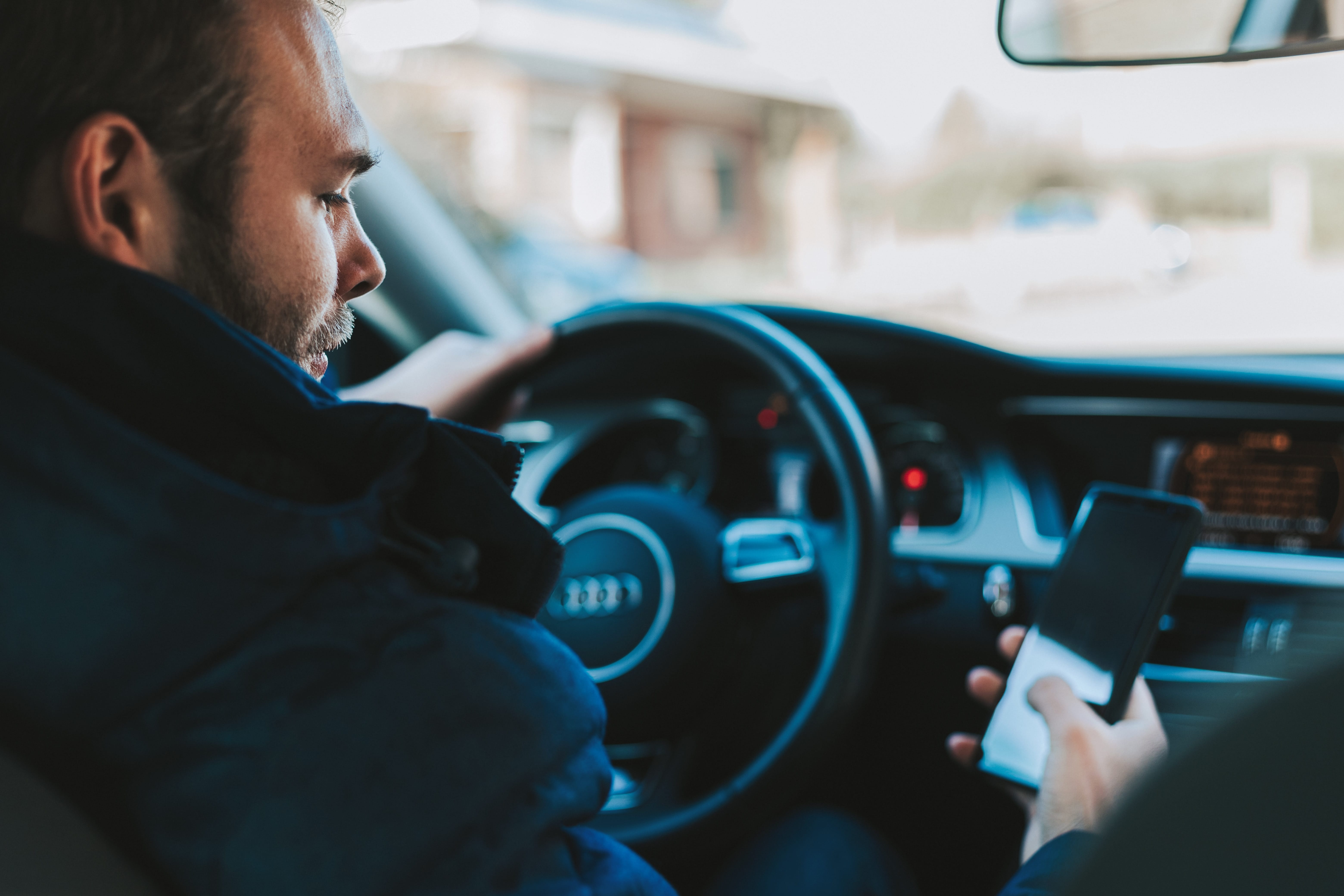
If a car hits a scooter rider, the driver may be liable just like in a typical car vs. pedestrian accident. These cases often involve distracted driving or failure to yield.
4. City or Local Government
Sometimes, poor infrastructure is the root cause. Cracked pavement, unmarked hazards, or lack of bike lanes may expose cities to premises liability or negligence claims—although suing a government entity involves stricter notice and immunity rules.
5. Other Pedestrians or Cyclists
In some rare cases, another pedestrian, cyclist, or even another scooter rider may be at fault—for example, by causing a chain-reaction crash or pushing someone into a rider’s path.
What to Do If You’re Injured in an E-Scooter Accident
If you’re involved in a scooter crash, it’s crucial to:
- Seek medical attention immediately even if injuries seem minor
- Take photos of the scene, scooter, roadway, and any damage
- Get witness statements and contact info
- File a police report
- Preserve the scooter if possible for future inspection
- Avoid speaking to insurers without legal advice
Join the conversation!