
Officials move to restrict 7-OH after rise in overdose incidents.
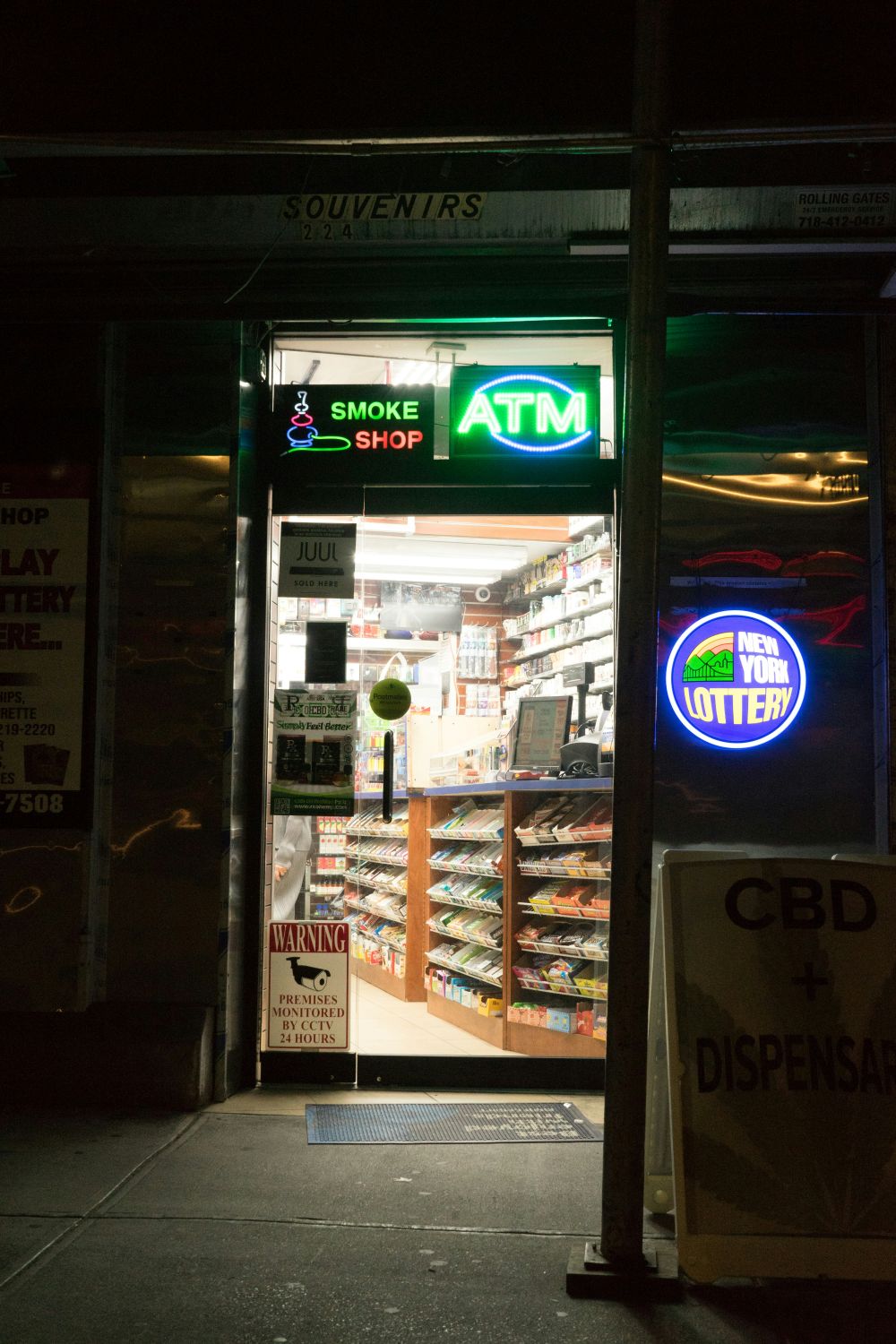
Federal agencies have announced a move to control a strong drug compound often found in drinks, gummies, and supplements sold at everyday stores. The drug, known as 7-hydroxymitragynine or 7-OH, comes from the kratom plant, which has been used by some people to help with pain or withdrawal symptoms. While the plant itself has been around for a long time, this particular chemical, especially when it’s concentrated, acts like an opioid. That’s raising serious concerns.
The Food and Drug Administration and the Department of Justice are stepping in to stop the sale of products with high levels of 7-OH. Unlike the small amounts that naturally occur in kratom leaves, these new versions often have dangerously high concentrations. Health leaders say that the way this drug is showing up in supplements and other items on store shelves is risky and unregulated. Many of these products don’t come with proper warnings, dose information, or any type of medical oversight.
Dr. Marty Makary from the FDA explained that the focus is not on banning natural kratom itself. Instead, officials are going after the highly concentrated version of 7-OH. That’s the form believed to be behind recent reports of overdoses and hospital visits. Though many people may not have heard of it, and even fewer doctors are familiar with how it works, there is enough cause for alarm that the government wants it to be handled with the same strict rules used for heroin and LSD.
Officials say they are seeing more and more cases of people ending up in the ER after using products with 7-OH. Some of these cases involve people who didn’t even know they were taking a strong opioid-like substance. Because of that, health experts believe it’s time to take firm steps. The FDA wants 7-OH listed as a Schedule I drug. That’s the category for drugs that are seen as having no accepted medical use and a high risk for abuse.

This doesn’t mean all kratom products will be pulled from shelves just yet. The raw or ground-up leaves of the plant are still being studied and may not fall under the same category. However, the stronger, altered forms of 7-OH that are being added to convenience store items are now on the radar. Officials say it’s the synthetic versions — not the plant in its basic form — that are causing the most harm.
Makary mentioned that doctors are concerned about how easy it is for people to get products with 7-OH, especially when those products come with no proper instructions or safety labels. There’s also worry that addiction could develop quickly due to the drug’s powerful effects. In the meantime, health departments are working on new education programs and more research to better understand the dangers.
The move to restrict 7-OH could have a big impact on how these kinds of products are sold in the future. While many people may have turned to them in search of relief, the lack of regulation has turned a possible solution into a growing health threat. With the new recommendation to classify 7-OH as a top-level controlled substance, the government is sending a message that stronger rules are needed when it comes to what’s being sold to the public.
Sources:
Federal officials push to restrict kratom-derived opioid 7-OH
RFK Jr. Announces Plan to Restrict Opioid-Like Kratom Product
Join the conversation!