
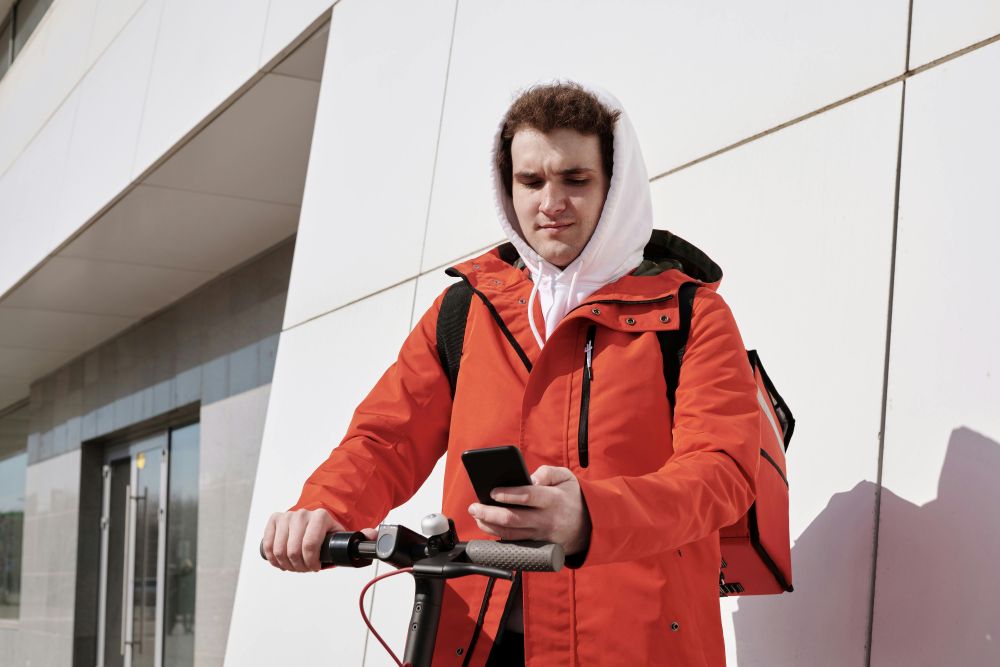
E-scooter riders suffer more head injuries, often linked to alcohol and no helmets.
Stand-up electric scooters have become a regular part of urban travel in many cities, especially among younger adults. Their appeal lies in speed, low cost, and the ease of hopping on and off without the need for a license or much gear. But a recent study from Helsinki reveals that this convenience comes with a high price in terms of safety. Emergency rooms in the city are seeing stand-up scooter riders arrive with injuries far more often than cyclists, with riders three times more likely to be hospitalized after a crash.
Between January 2022 and December 2023, three emergency departments in Helsinki treated 677 e-scooter riders and 1,889 cyclists for injuries after crashes. While cyclists made up more of the total cases, the risk of ending up in the emergency room per ride was much higher for e-scooter users. Based on trip data, scooter riders were injured at a rate of 7.8 per 100,000 trips, compared to 2.2 for cyclists. This large gap is not about the scooter itself, but more about how and when it’s being used.
Many riders injured on scooters were young, often in their twenties or early thirties. Most weren’t wearing helmets. Only 4% of injured scooter riders had helmets on at the time of their accidents, compared to nearly 28% of cyclists. Alcohol was another key factor. About 29% of injured e-scooter users were intoxicated, while just 8% of cyclists had been drinking. When alcohol was involved, the chances of a head injury jumped sharply. Seventy-six percent of drunk scooter riders suffered head injuries, compared to 63% of drunk cyclists.
Head and neck injuries were the most common outcomes for scooter riders, occurring in nearly half of the cases. In contrast, cyclists were more likely to injure their arms or torsos. Scooter riders also saw more craniofacial fractures, while cyclists tended to suffer wrist and hand breaks. Despite many of these injuries being labeled as minor, scooters had slightly more serious cases. About 10% of scooter injuries were labeled as serious, compared to 8% for cyclists.
Even more concerning was the pattern of accidents. While most cycling crashes occurred during the day, nearly 40% of scooter crashes happened at night. Among those nighttime scooter accidents, half involved alcohol. That number was much lower for cyclists riding at night. This points to risky behavior being a stronger factor in scooter injuries than the scooter design or speed.
Even though a 15 km/h speed limit has been in place for rental scooters at night since 2021, many serious injuries still occur during late evening hours in summer. This shows that speed limits alone aren’t enough to protect riders. Helmet campaigns and smarter app-based controls—such as requiring riders to pass a simple sobriety check or confirm helmet use—might make a difference. Requiring scooter companies to include helmet locks or offering helmets as part of rentals could also help.
In most cases, hospital stays weren’t long. Only a small number of patients needed surgery or time in the intensive care unit. But ICU admissions still happened more often with scooter riders than cyclists. Most scooter riders who needed ICU care had head trauma and were intoxicated. These are outcomes that are hard to ignore.
This study suggests that scooters are not just a fun way to get around town. They come with real safety risks, especially when riders mix late nights, alcohol, and no helmets. It also shows that changes in rider behavior may matter more than changes to the scooters themselves. Cities that want to make shared mobility safer might start by focusing less on the machines and more on the choices people make before stepping on.
Sources:
E-scooter riders are three times more likely than cyclists to end up in hospital, study shows
Comparing the characteristics of electric scooter and bicycle injuries: a retrospective cohort study
Join the conversation!