
These regulations aim to ensure the safety of riders and promote legal and responsible off-road recreational activities in Las Vegas and across Nevada.
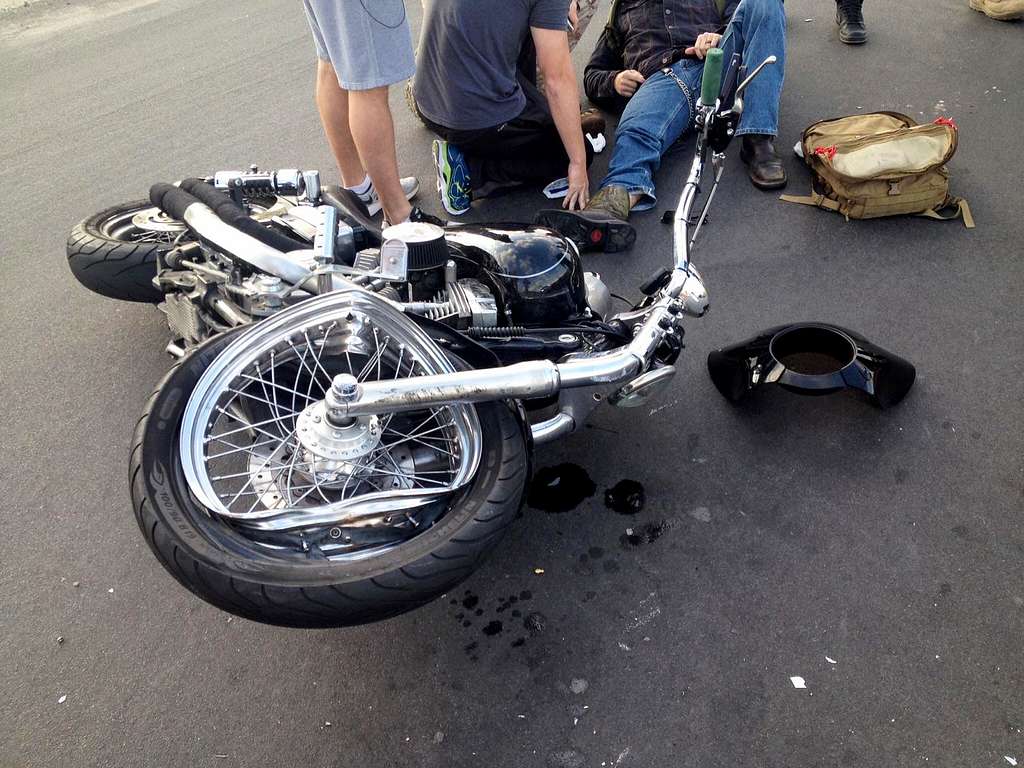
Motorcycle accidents claim many lives in Las Vegas every year. According to a local news report, the city witnessed 33 motorcycle-related deaths in that year alone. While car accidents certainly pose risks of severe injuries and fatalities, motorcycle accidents inherently carry greater danger due to the minimal protection riders have compared to people in most other types of vehicles. Unlike cars, motorcycles lack the structural enclosure that can mitigate the force of impact that occurs in accidents, leaving motorcyclists vulnerable to the full force of accidents. Consequently, motorcycle accidents frequently lead to severe injuries and fatalities, highlighting the need for heightened awareness and safety measures on the roads of Las Vegas. An experienced Las Vegas motorcycle accident lawyer will be familiar with the legal complexities, long-term medical challenges, financial burdens, and other common detrimental effects of motorcycle accidents in Las Vegas.
To reduce some of the risks associated with motorcycles, Nevada has motorcycle specific laws that apply to motorcyclists throughout the state, including Las Vegas. These motorcycle laws are aimed at safeguarding riders and ensuring responsible operation amidst other cars and vehicles on the road. Regulations pertaining to riding a motorcycle underscore the state’s commitment to enhancing motorcycle safety. Nevada’s legal framework pertaining to motorcycles also emphasizes the importance of motorcycle riders adhering to traffic laws and exercising caution while navigating through traffic. By enforcing these laws and promoting defensive riding strategies, Nevada aims to educate riders, and reduce the rate of motorcycle accidents to create a safer environment for all road users.
What Is The Dead Red Law In Nevada?
In Nevada, the Dead Red Law is a term commonly used to refer to laws that address the challenges encountered by motorcyclists at intersections. Many intersections in Nevada, including Las Vegas, are controlled by traffic signals using inductive loops or weight sensors. Specifically, this law allows motorcyclists to run a steady red light at intersections if their presence isn’t detected by these sensors and the light fails to change after a reasonable waiting period.
Motorcyclists must be able to tell the difference between steady red lights and other signal types like flashing red lights, yellow lights, or green lights. This is because the Dead Red laws only pertain to steady red lights. According to Nevada law, motorcyclists can legally run a red light after waiting for two complete light cycles without the light changing to green for them. This means that motorcyclists must practice patience, as the laws provide riders with a clear guideline for determining when it’s appropriate to proceed through an intersection. By recognizing and addressing the unique challenges faced by motorcyclists, Nevada’s Dead Red laws aim to enhance safety and ensure fair treatment for riders on the road.
Do You Need A Motorcycle License In Las Vegas?
Yes. To legally operate a motorcycle in Las Vegas, Nevada law requires you to first obtain a motorcycle specific license. Obtaining a motorcycle license in Las Vegas, and the rest of Nevada, involves acquiring a Class M driver’s license, which is listed alongside Class A, B, or C licenses on one singular license. The state recognizes motorcycle endorsements and Class M licenses from most other states for individuals relocating to Nevada that are currently licensed in the U.S.
For those wishing to apply for their initial Class M license, they have the option to complete an approved motorcycle safety course or take both the DMV motorcycle written and skills tests. However, riders under 18 must adhere to additional requirements, including age restriction requirements and holding a permit for a certain amount of time, in accordance with Nevada Teen Driving regulations. While completing a motorcycle safety course isn’t obligatory for those over the age of 18 to obtain a Nevada Class M license, it’s highly recommended for enhancing rider skills and safety awareness on the roads of Nevada, including bustling areas like Las Vegas.
Motorcycle Insurance Requirements In Nevada
Motorcycle riders are mandated by Nevada law to maintain the same liability insurance as required for automobiles. Nevada’s minimum coverage requirements are for liability insurance only and require both motorcyclists and vehicle owners to carry:
- $25,000 for bodily injury or death of one person in any single accident
- $50,000 for bodily injury or death of two or more persons in any single accident
- $20,000 for injury to or destruction of property of others in any single accident
It’s essential that coverage is verified electronically by an insurance company authorized to operate within the state. To register a vehicle or motorcycle in Nevada, riders must provide Nevada Evidence of Insurance, either in printed card format or on a mobile device. This evidence must be presented during various registration transactions, including:
- First-time registrations, renewals
- Reinstatements
- License plate changes
Additionally, riders are required to carry proof of insurance in their vehicles or on their person for motorcyclists, at all times and must furnish it to any law enforcement officer upon request. Compliance with these insurance requirements ensures accountability and protection for both riders and other individuals operating on Nevada’s roadways, including in Las Vegas.
Can Motorcycles Split Lanes In Las Vegas?
Lane-splitting, or what is sometimes referred to as “lane filtering,” in Las Vegas, as well as across the state of Nevada, is an illegal practice. Lane splitting is a term referring to motorcycles weaving between traffic lanes, and it is strictly prohibited. This means that motorcyclists cannot maneuver between lanes, even in situations of heavy traffic or slow-moving vehicles.
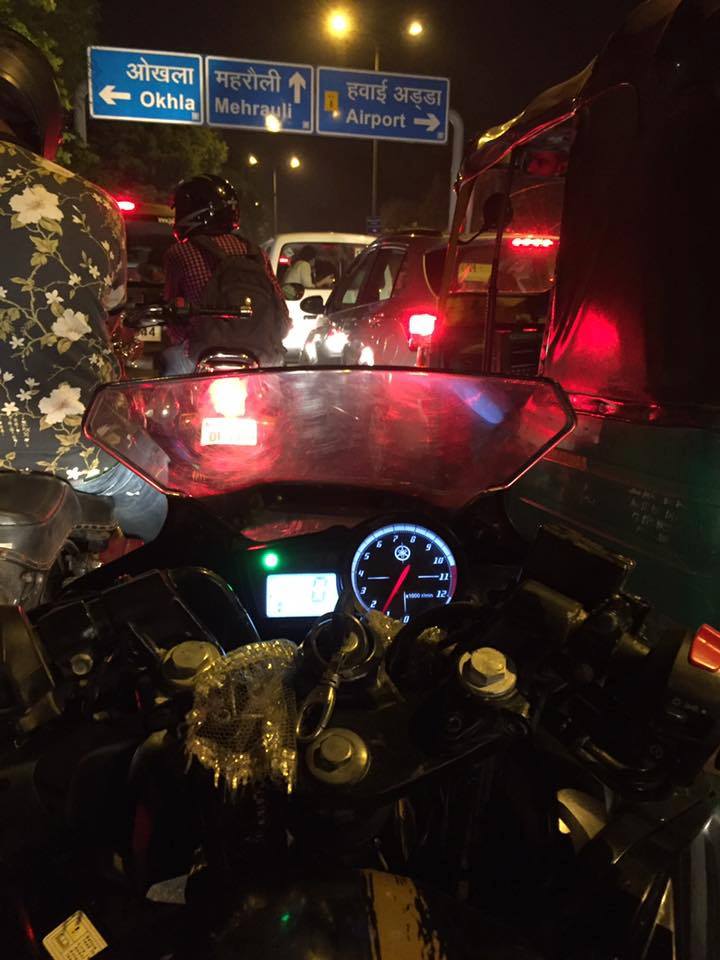
Due to its illegality, motorcyclists in Las Vegas are typically held fully or partially responsible in accidents where an accident occurs while a motorcyclist was lane-splitting. If there was no imminent danger prompting the lane-splitting, the motorcyclist is likely going to be fully responsible for the accident. However, the circumstances leading up to the accident are considered, including:
- If a road hazard necessitated the motorcyclist’s maneuver
- A car swerved into the motorcyclist’s lane
It’s important to distinguish lane sharing from lane splitting when riding a motorcycle. Lane sharing involves two motorcyclists traveling alongside each other within the same lane, which is a legal practice allowing motorcyclists to maximize road space while riding together. Understanding these distinctions helps promote safer motorcycle practices on the roads of Las Vegas and throughout Nevada.
Las Vegas Dirt Bike Laws
In Las Vegas, dirt bikes and all-terrain vehicles (ATVs) are restricted to off-road use only, with specific laws governing their operation and safety:
- Off Highway Vehicles – Riding dirt bikes and ATVs on the streets is generally illegal in Nevada due to their off-road design. However, there are plenty of off-road areas surrounding the Las Vegas area.
- OHV Requirements – Motorized vehicles must have standard safety equipment such as lights, seatbelts, signal lights, tail lights, and braking systems in order to be legal off-road vehicles. Vehicles designed for off-road or non-road use are generally prohibited from operating on Nevada public roads or highways, even with required safety equipment.
- Street Legal Dirt Bike Requirements – Street legal dirt bikes must have functional mirrors, lights, windshields, and other standard equipment found on conventional vehicles, and the driver must carry a valid class M on their driver’s license.
These regulations aim to ensure the safety of riders and promote legal and responsible off-road recreational activities in Las Vegas and across Nevada. They also provide stipulations and requirements for dirt bikes to be ridden on public roadways in Las Vegas.
Have Questions About Las Vegas Motorcycle Laws?
If you have any questions regarding Las Vegas motorcycle laws or have suffered injuries in an accident due to another driver’s negligence, contacting a Las Vegas motorcycle accident lawyer is more than helpful. Las Vegas motorcycle accident lawyers near you can provide legal assistance, support, and knowledge during such challenging times.
Whether you need clarification on motorcycle regulations in Las Vegas, assistance navigating legal situations, or representation to pursue compensation for your injuries, a knowledgeable attorney can offer knowledgeable guidance tailored to your specific situation. Don’t hesitate to reach out to a trusted Las Vegas motorcycle accident lawyer to protect your rights and pursue the justice and compensation you deserve.
Join the conversation!