
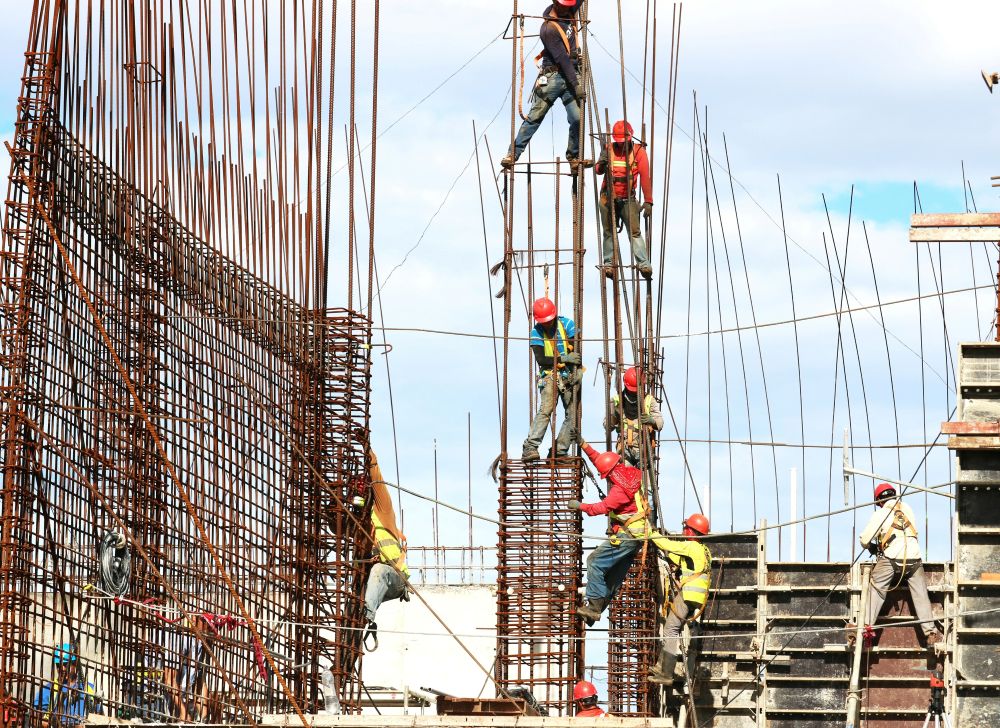
Experienced construction lawyers provide strategic advice to protect your interests and ensure projects run smoothly.
The construction industry in Melbourne is an intricate legal landscape where contracts, disputes, and compliance requirements play a pivotal role in project success. Whether you are a builder, contractor or developer, understanding your legal obligations can help prevent costly disputes and delays.
The Importance of Well-Drafted Construction Contracts
A strong construction project begins with a clearly structured contract. It sets out the obligations, timelines, payment terms, and risk allocation among parties. Without a comprehensive contract, parties risk misunderstandings that could lead to disputes or financial loss.
Elements to consider in a construction contract include:
- Project Scope and Deliverables – A detailed breakdown of the work to be completed, standards, and any specific project requirements.
- Roles and Responsibilities – Clearly defining each party’s obligations, including specific tasks and deliverables.
- Project Milestones – Establishing key stages for progress and completion, with expectations for each phase.
- Cost Management – Outlining payment schedules and procedures for handling variations.
- Risk and Liability – Allocating responsibility for potential risks, including unforeseen site conditions or delays.
- Termination Clauses – Defining the circumstances under which the contract can be terminated and the process for doing so.
Many disputes in the construction industry stem from unclear contract terms or failure to adhere to the contract. Seeking legal guidance before signing a contract can help mitigate risks and ensure clarity.
Managing Construction Disputes Effectively
Despite the best planning, disputes are common in construction. They often arise from contract breaches, defective work, delays, or payment issues. The key to resolving disputes efficiently is addressing them early through negotiation, mediation, or other alternative dispute resolution methods.
Some common construction disputes include:
- Payment Disputes – Non-payment, late payment, or disagreements over progress payments.
- Defective Work Claims – Disputes over the quality of work or materials used.
- Delays and Extensions of Time – Disagreements on whether delays were justified and who bears the cost.
In cases where a dispute escalates, seeking legal advice can provide clarity on the best course of action. Engaging an experienced construction lawyer can help navigate complex legal proceedings and achieve a favourable resolution.
Compliance with Building Regulations and Licensing
Builders and contractors must meet regulatory requirements to ensure their projects comply with legal standards. This includes holding the necessary licenses, following approved processes for dispute resolution and more.

Failure to comply with the regulations can lead to penalties, contract disputes, and delays in project completion. Ensuring that all necessary permits and licenses are in place before commencing work is essential for legal compliance.
It’s also crucial to regularly review regulatory updates and industry standards. Construction laws and regulations can change, impacting everything from contract terms to licensing requirements. Staying informed helps stakeholders adapt swiftly, reducing the risk of non-compliance.
Why Legal Advice is Essential for Construction Professionals
Legal challenges in construction can be costly and time-consuming. Whether you need assistance with contract drafting, dispute resolution, or regulatory compliance, having the right legal support can make a significant difference.
Experienced construction lawyers provide strategic advice to protect your interests and ensure projects run smoothly. By proactively addressing legal risks, builders and contractors can focus on completing their projects without unnecessary legal complications.
Join the conversation!