

Getting hurt due to someone else’s carelessness isn’t fair — and it shouldn’t be your burden to carry alone.
Life has a way of throwing unexpected situations at us — and sometimes, those situations lead to injury. Whether it’s a physical incident, negligence, or another person’s reckless behaviour, being hurt through no fault of your own is not only frustrating — it’s often overwhelming. The emotional toll, the medical bills, the paperwork… it can all feel like too much at once.
But the truth is, there is a path forward. Knowing what steps to take — and when — can help protect your wellbeing and your rights. And if you’re dealing with something like a complex animal-related injury, for example, connecting with a dog bite expert attorney early can be a game-changer when it comes to legal clarity.
Here’s a simple, practical guide to help you regain control after an injury caused by someone else’s actions.
Prioritise Your Health First
It might sound obvious, but many people put off treatment — especially if they don’t think their injury is “serious enough.” Here’s why that’s a mistake:
- Delayed symptoms are common. What starts as a mild ache can become a long-term issue.
- Medical records matter. Having clear documentation of your injury can support any future legal action or insurance claim.
- Early treatment can reduce complications. The sooner you’re seen, the better your chances of a full recovery.
If the incident involved trauma (physical or emotional), don’t hesitate to speak to a healthcare provider who understands injury-related care.
Gather Evidence While It’s Fresh
If you’re physically able, try to document as much as you can soon after the incident:
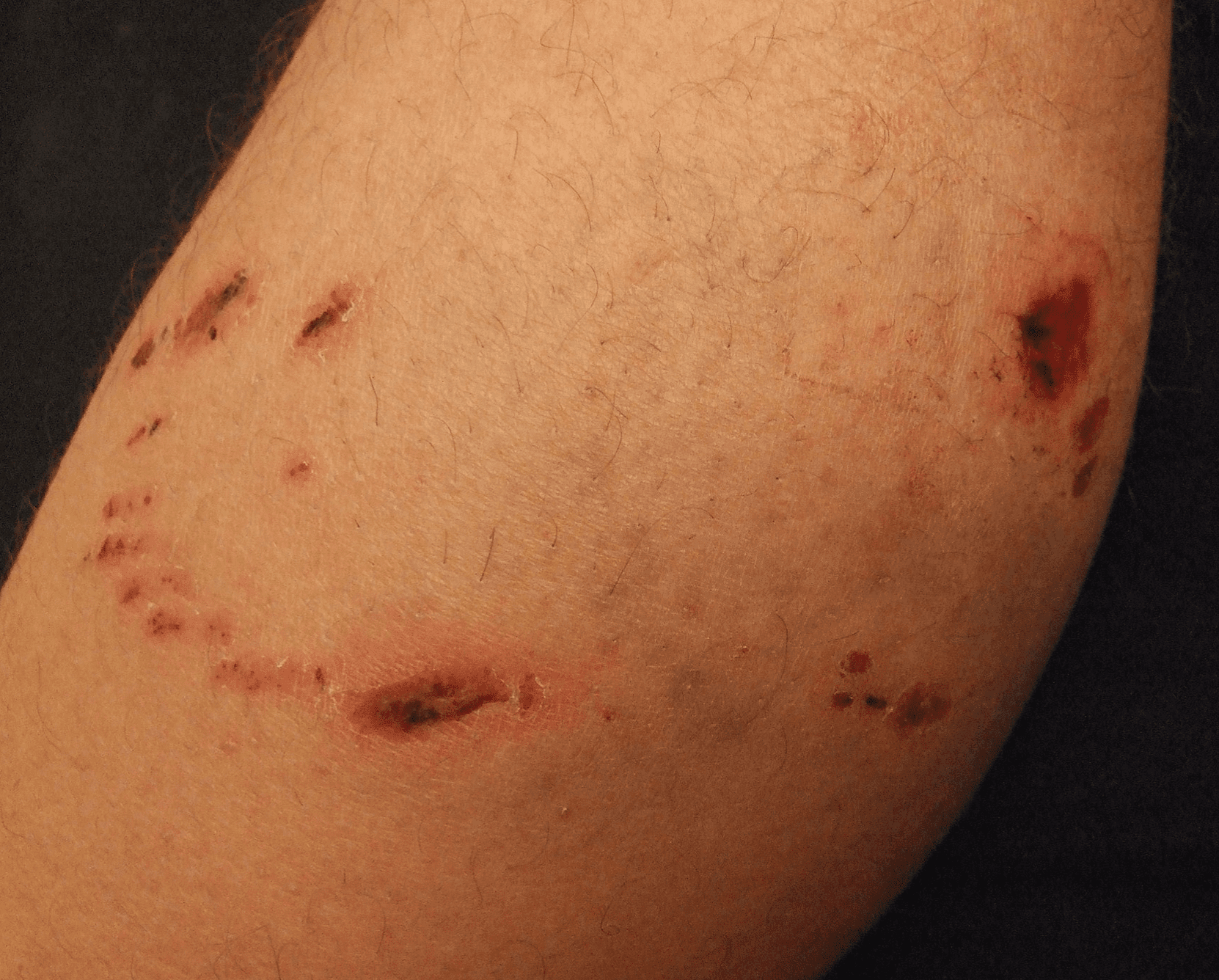
- Take photos or videos of the scene and your injuries
- Note down names and contact details of any witnesses
- Save clothing or items affected in the incident (don’t wash or throw them out just yet)
- Write down everything you remember while it’s still fresh
Even small details — like the weather, time of day, or what someone said — can be helpful later if you decide to take legal action or make a claim.
Report the Incident to the Right People
Depending on the situation, reporting the event might be legally required or simply helpful for your case. You might need to:
- File a police report (especially if assault or criminal behaviour was involved)
- Notify your local council or workplace health and safety body
- Inform your insurance provider
- Contact the property owner or business where the incident occurred
If in doubt, seek guidance from a legal professional about what must be reported — and what’s optional but strategic.
Know Your Legal Rights and Time Limits
In Australia, different types of claims have different time limits (known as statutes of limitation). Waiting too long could mean you lose your ability to take legal action entirely — even if your case is strong.
Depending on the nature of the injury and who was at fault, you might be entitled to:
- Compensation for medical bills, lost income, or long-term care
- Pain and suffering damages
- Reimbursement for out-of-pocket expenses
- Protective orders (in cases of assault or ongoing risk)
That’s why it’s important to speak to someone who knows this area of the law well — ideally someone who has worked on cases similar to yours.
Be Wary of Early Settlement Offers
It’s not uncommon for insurers or at-fault parties to offer a quick settlement — especially if they know they could be held responsible. But here’s the catch: those offers are often lower than what you’re truly entitled to.
Before you sign or agree to anything:
- Make sure you understand the full impact of your injury (some effects take weeks or months to appear)
- Know what costs you might face in the future
- Get a second opinion — legal advice is worth its weight when you’re dealing with permanent consequences
A rushed decision might bring short-term relief but long-term regret.
Why Speaking to a Legal Professional Early Matters
You don’t need to know everything — but having someone on your side who does can make all the difference. A qualified personal injury lawyer can help you:
- Understand your options
- Calculate potential compensation
- Handle communication with insurers or third parties
- Avoid common mistakes that hurt your case
Most offer free initial consultations, so there’s nothing to lose by simply asking questions.
Getting hurt due to someone else’s carelessness isn’t fair — and it shouldn’t be your burden to carry alone. With the right support, you can get the care, clarity, and compensation you deserve while focusing on what really matters: your recovery.
Join the conversation!