
Plant modernization and reduced federal oversight raise risks for workers, animals.
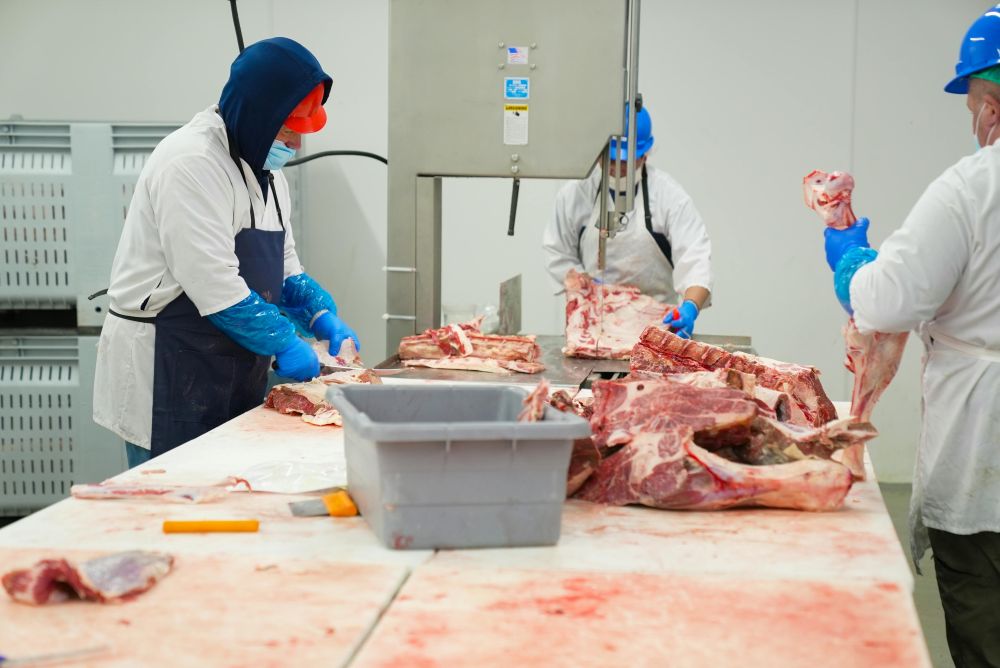
At Triumph Foods in St. Joseph, Missouri, Christopher Lopez spent nearly two years inspecting pig carcasses, a task that demanded precision and speed. Each head required careful examination: lymph nodes behind the ears, nose, mouth, and internal cuts. Lopez had mere seconds per animal before moving on to the next, repeating the process for hours on end. The job was exhausting, both physically and mentally. “I would have my fingers start to lock up because I was gripping my knives too hard,” he recalled. “Even though we kept ourselves clean, I felt dirty, so I didn’t like to eat.” Lopez’s experience reflects a larger trend at U.S. meat processing plants, particularly those for pork and poultry. Many facilities are increasing line speeds while federal inspectors reduce hands-on duties, a shift the USDA calls “modernized inspection.” The system moves more sorting and inspection responsibility to plant employees, with federal inspectors overseeing from the ends of the lines.
In March, Agriculture Secretary Brooke Rollins announced plans to make faster line speeds permanent under the administration. Officials claim the changes meet rising demand without “excessive government interference,” while industry groups argue that in-house oversight can be more efficient. Critics, including union leaders, warn that transferring control from independent federal inspectors to private employees could put consumers, workers, and animals at risk.
Modernization began in 1997, allowing some swine and poultry plants to operate at higher speeds with fewer federal inspectors. By 2019, an opt-in program for swine plants followed. Today, 168 poultry plants and 18 swine establishments operate under modernized models, with line speeds rising from 140 to 175 birds per minute for poultry. Swine plants now face no federally mandated speed limits. Carcass sorting, once a federal duty, is now handled by company staff, while inspectors verify compliance at the line’s end.
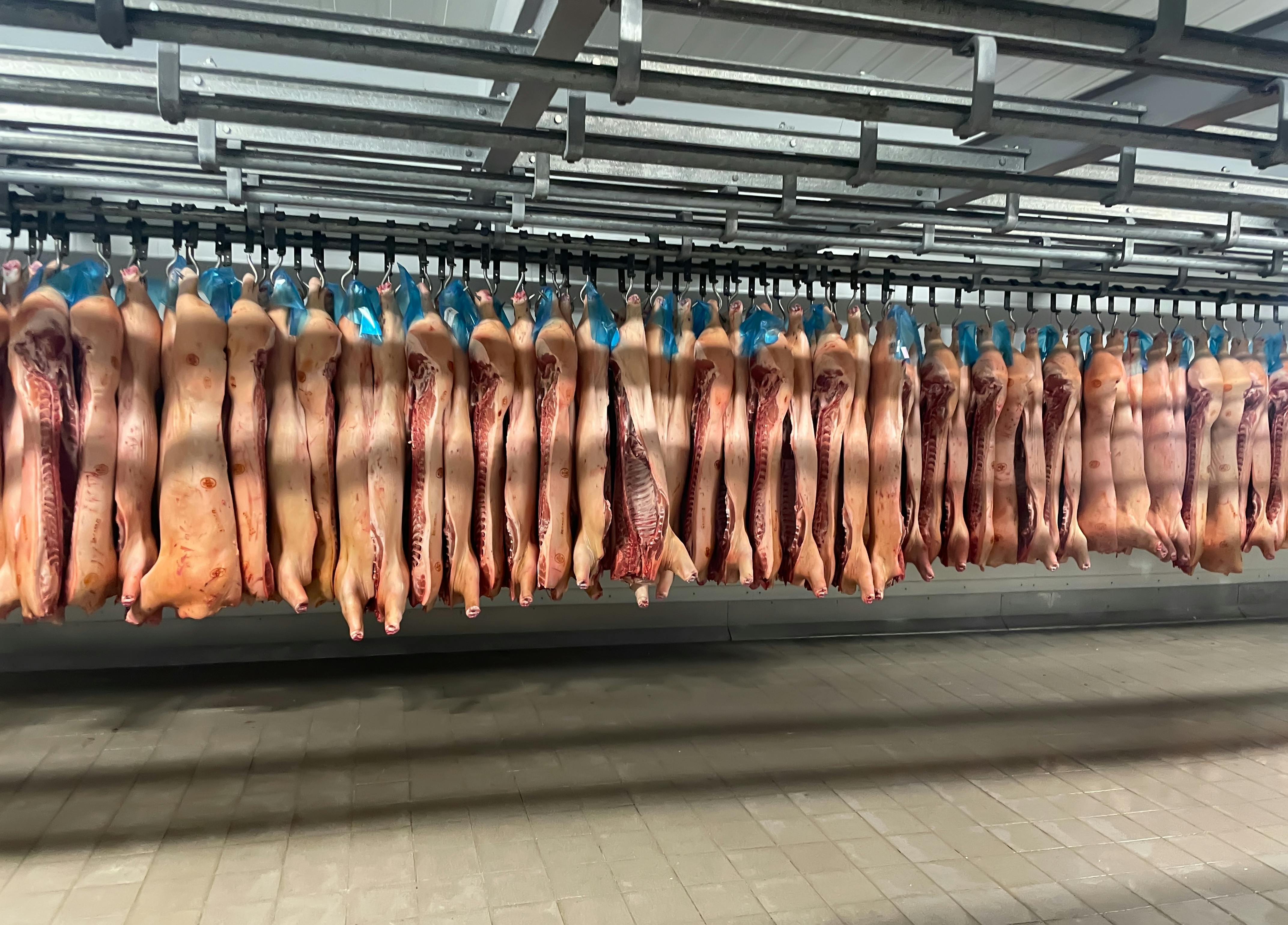
Lopez observed that while the modernized approach to meat processing allowed inspectors to focus on product evaluation, the ratio of company workers to federal inspectors could hinder effective oversight. “You can’t look at five people and watch everything that they’re doing as well as pay attention to what you’re inspecting,” he said. Adequate staffing can help, he added, but faster lines and minimal federal presence create pressure on both humans and animals.
Industry leaders insist modernization maintains safety. At Wayne-Sanderson Farms, employees handle initial inspections while federal inspectors monitor food safety. Senior VP Juanfra DeVillena said company sorters receive rigorous training and recertification, though critics point out that such standards are not required across the industry. Lopez and others have reported instances where contaminated carcasses were mishandled in the name of efficiency, raising questions about the system’s reliability.
Worker safety also faces new challenges. Studies show poultry and swine plants are among the nation’s most dangerous workplaces. Fast line speeds increase the risk of repetitive stress injuries, including carpal tunnel syndrome. Experts stress that individual workloads, or piece rates, better measure risk than line speed alone. Workers often face intense pressure to keep up with the pace, which can lead to fatigue and accidents. Advocacy groups argue that modernized plants can push workers beyond safe limits, even when equipment and protective gear are used.
Animal welfare is another concern. Faster lines can increase inhumane handling, from dragging and hitting to excessive electroshocking. Lawsuits and investigations have cited examples of pigs entering scald tanks while still alive. Though industry officials claim humane practices remain a priority, critics maintain that higher speeds strain workers and compromise proper handling, creating risks for both animals and the food supply.
Despite these concerns, meat processing modernization has continued to expand, with courts generally deferring to the USDA’s judgment on line speeds and inspection duties. Advocates warn that the combined effects of faster processing, reduced federal oversight, and inconsistent training may intensify risks to workers, animals, and consumers. For Lopez, the system shows promise in medium-sized plants with careful staffing but can create hazards when speed outweighs oversight.
As line speeds rise across the country, the challenge remains balancing efficiency with safety. The choices made in meatpacking plants affect far more than production numbers—they determine the conditions for workers, the treatment of animals, and the safety of the food reaching Americans’ tables.
Sources:
Faster lines, less federal oversight and rising risks at US pork and poultry plants
Secretary Rollins Takes Action to Streamline U.S. Pork and Poultry Processing
Join the conversation!