
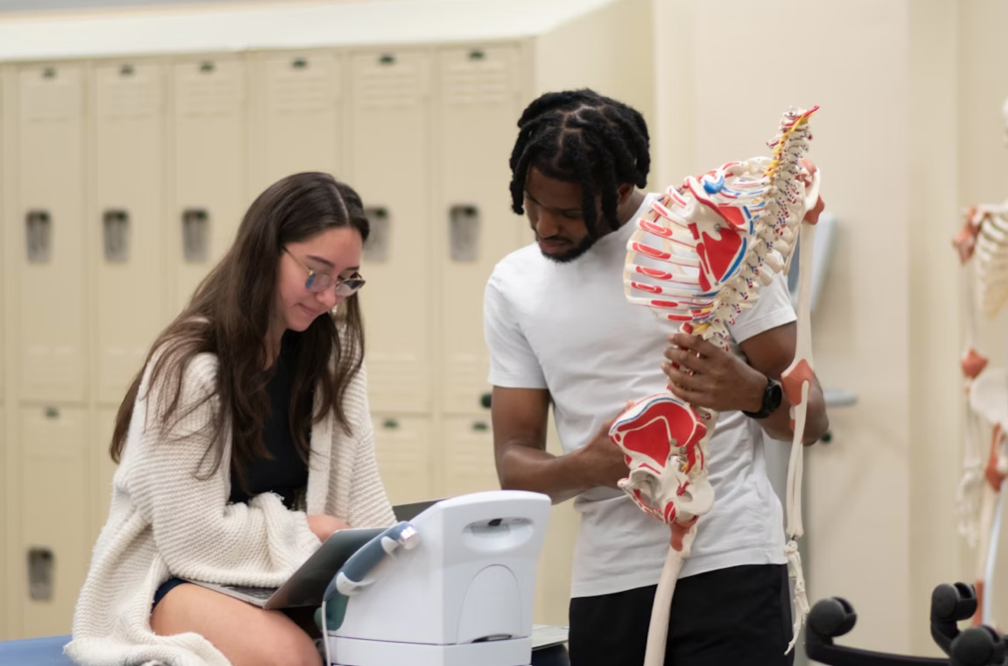
Patients can protect themselves by asking physicians specific questions about device track records before agreeing to implantation.
Personal injury victims place tremendous trust in medical devices designed to heal and restore function. When these devices fail, the consequences can devastate lives already disrupted by trauma. Understanding the legal landscape becomes crucial when medical technology meant to help actually causes additional harm.
The Risk of Relying on Medical Devices
Recovery from serious accidents often involves sophisticated medical devices. Surgeons implant metal plates to repair fractured bones, insert artificial joints to restore mobility, and recommend external devices like braces or stimulators to accelerate healing. Patients naturally assume these FDA-approved devices meet rigorous safety standards.
This trust overlooks critical realities. Medical devices fail more frequently than most people realize. Manufacturing defects slip through quality control, device components wear down faster than expected. Some devices prove incompatible with individual patient anatomy or existing injuries.
How a Medical Device Can Worsen an Injury
Medical device failures create layered medical problems that amplify original injuries. Faulty orthopedic implants can cause bone fractures around the implant site, requiring additional surgeries and extended recovery periods. Defective spinal hardware may shift position, compressing nerves and creating new sources of chronic pain. Common complications with medical devices include;
- Implant loosening
- Metal corrosion
- Device migration
- Tissue rejection
These complications often mask or intensify symptoms from the original accident injury. Patients struggle to distinguish between expected recovery discomfort and new device-related problems. Families face escalating medical bills while watching loved ones endure additional suffering.
Exploring Legal Accountability in Orlando
Florida law recognized that defective medical devices can create liability for multiple parties. Product liability statutes allow injured patients to pursue claims against device manufacturers when design flaws, manufacturing defects, or inadequate warning contribute to patient harm.
The legal framework extends beyond manufacturers. Distributors who fail to properly handle or store devices may bear responsibility. Surgeons who implant devices despite known contraindications face potential malpractice claims. Hospitals that purchase recalled devices or fail to track device performance may also be liable.
How Orlando Victims Can Start Building a Case
Suspected device-related injuries demand immediate action. Patients should request comprehensive medical re-evaluation from independent physicians not involved in the original device selection or implantation. Preserving the actual device becomes critical evidence and must never be discarded without legal consultation.

Consulting an Orlando personal injury lawyer experienced in personal injury litigation provides essential guidance. These cases require specialized knowledge of both product liability law and complex medical issues. Attorneys can identify which experts to consult and how to navigate FDA databases for device recall information. Key documentation includes:
- Medical records: Preserve records, before, during and after device implantation.
- Device identification: Model numbers, lot number and surgical notes.
- Imaging studies: X-rays and CT scans showing device position changes.
- Financial records: Medical bills, lost wages and rehabilitation costs.
Patients Are Able to Protect Themselves
Patients can protect themselves by asking physicians specific questions about device track records before agreeing to implantation. Request information about recall history, revisions rates, and long-term studies. FDA databases provide public access to adverse event reports and safety communications. Personal injury law and medical device failure creates complex legal challenges, but Florida law provides pathways for accountability and compensation when devices cause additional harm.
Join the conversation!