
In-person visits help children maintain bonds and resilience with incarcerated parents.
Across Pennsylvania, more than 65,000 children are growing up with a parent behind bars. That figure, provided by the state Department of Corrections, reflects the widespread reach of incarceration on families. Across the country, the impact is even larger, with nearly half of adults having a close family member who has been jailed or imprisoned. For children, one in 14 has lived through the loss of a parent to incarceration. The numbers are striking, but what matters most is how children and parents are able to stay connected during these difficult times, particularly during prison visits.
In May 2025, a new proposal was introduced in Pennsylvania that would change how families communicate with loved ones in prison. House Bill 1506, introduced by Representative Andre Carroll, who himself grew up with an incarcerated father, seeks to make all communication free and protect in-person visits from being replaced by video calls. This proposal reflects a growing understanding of how much contact means for both children and parents.
Research going back decades has shown that personal visits are far more meaningful than video calls. When in-person visits were halted during the COVID-19 pandemic, many incarcerated parents reported how much harder it became to maintain close relationships. In interviews conducted in Wisconsin, parents described video calls as helpful but shallow compared to seeing their children in person. One parent put it simply: a hug was worth a hundred video visits. Touch, eye contact, and shared space carried more weight than any screen ever could.
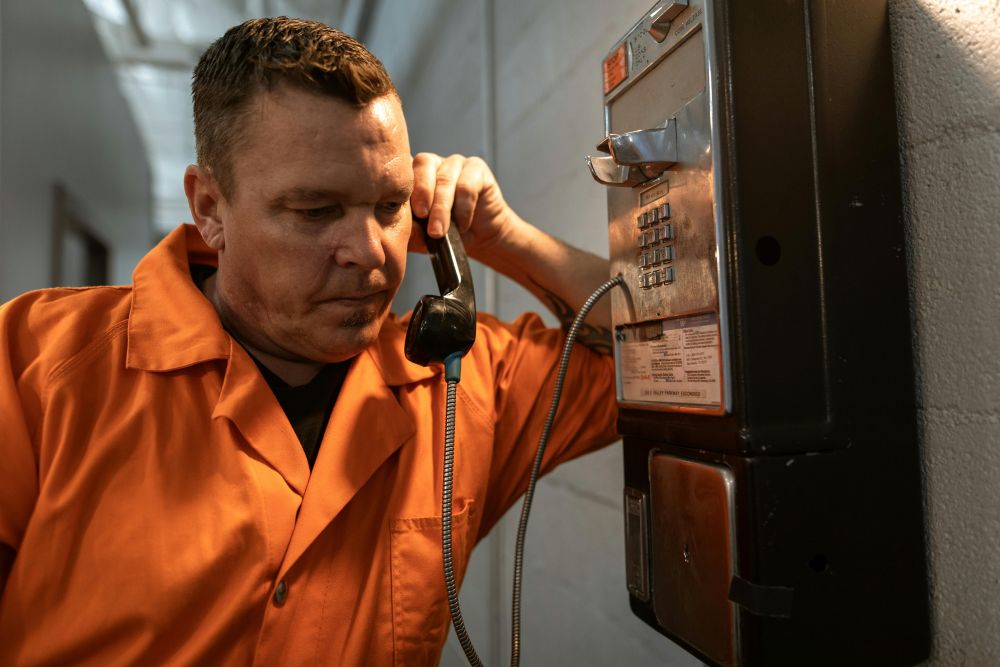
Even today, many jails across the United States rely heavily on video visits, and some have banned in-person contact entirely. In Michigan, for example, a survey of county jails found that most no longer allowed face-to-face visits. Prisons at the state and federal level usually maintain both options, though in-person contact is often limited. For children, the difference is profound. Visits that allow touch, play, and simple closeness strengthen bonds and promote resilience, which helps children handle the challenges of growing up with an incarcerated parent.
Programs designed around child-friendly visits go even further. These visits give children the chance to read books, play games, or share meals with their parents in safe, supervised spaces. Unlike visits behind plexiglass, where interaction is limited to phones and brief conversation, child-friendly visits foster warmth and connection. For younger children in particular, this kind of contact is developmentally important, helping them feel secure and valued even under difficult circumstances.
Parents benefit as well. For many incarcerated people, separation from children is the most painful part of their sentence. Regular visits are linked to improved mental health, fewer conflicts inside prison, and stronger relationships with the child’s caregiver at home. Over the long term, parents who maintain strong family ties while incarcerated often adjust better after release and are less likely to return to prison. Society benefits too, since lower recidivism translates into safer communities.
Despite the clear value of in-person visits, there are many barriers. Cost is a major one. Phone calls from prisons can be expensive, with rates in Pennsylvania averaging more than three dollars for a fifteen-minute call in recent years. Travel is another hurdle, since many families live hours away from correctional facilities. Strict mail rules, limited visiting schedules, and strained family relationships add further complications. These burdens fall disproportionately on Black and Latino families, who are more likely to be impacted by incarceration and its financial costs.
Some organizations are stepping in to bridge the gap. The Pennsylvania Prison Society, for instance, runs transportation programs that connect families in Philadelphia with distant correctional institutions. While a ticket may cost around twenty dollars, children ride for free, which makes visits more accessible. In addition, the state offers a limited number of no-cost video visits to help families stay connected between in-person meetings. Across the country, lawsuits and advocacy efforts are pushing for a child’s right to see and hug their parent, recognizing that contact is not a privilege but a key part of healthy development.
The question now is how states will balance security, budgets, and technology with the clear benefits of family contact. What the research shows is consistent: when parents and children are able to visit in person, both sides are better off. The bonds built during these moments carry forward into release, helping families heal and rebuild. For thousands of Pennsylvania children, and millions across the nation, the chance to stay close to a parent may shape the rest of their lives.
Join the conversation!