Families await judge’s decision on Boeing case after fatal 737 crashes.
Families of passengers killed in two Boeing 737 Max crashes may soon face what could be their one more opportunity to demand criminal accountability from the company during a final hearing. A federal judge in Texas is expected to preside over a final hearing on whether prosecutors should be allowed to dismiss a felony charge against Boeing. The charge, conspiracy to commit fraud, was tied to the crashes of Lion Air Flight 610 in Indonesia in 2018 and Ethiopian Airlines Flight 302 in 2019. Together, the disasters claimed 346 lives and raised lasting questions about safety, corporate conduct, and government oversight.
Federal prosecutors accused Boeing of misleading regulators about the plane’s flight-control system, which was later found to play a role in both crashes. The company initially agreed to plead guilty, but Judge Reed O’Connor rejected the plea deal last December. His concerns included the role of diversity and equity policies in choosing an independent monitor, which he saw as potentially tainting the process. That rejection gave Boeing an opening to push back and allowed prosecutors to consider another deal.
The government and Boeing then spent months negotiating a revised agreement. During that time, Donald Trump returned to the presidency and halted diversity programs in federal agencies, removing one of O’Connor’s stated objections. By May, the Justice Department dropped its earlier plea arrangement and instead moved toward a non-prosecution deal. Under this revised deal, Boeing would avoid a conviction in exchange for paying or investing $1.1 billion in additional penalties, victim compensation, and internal safety reforms.
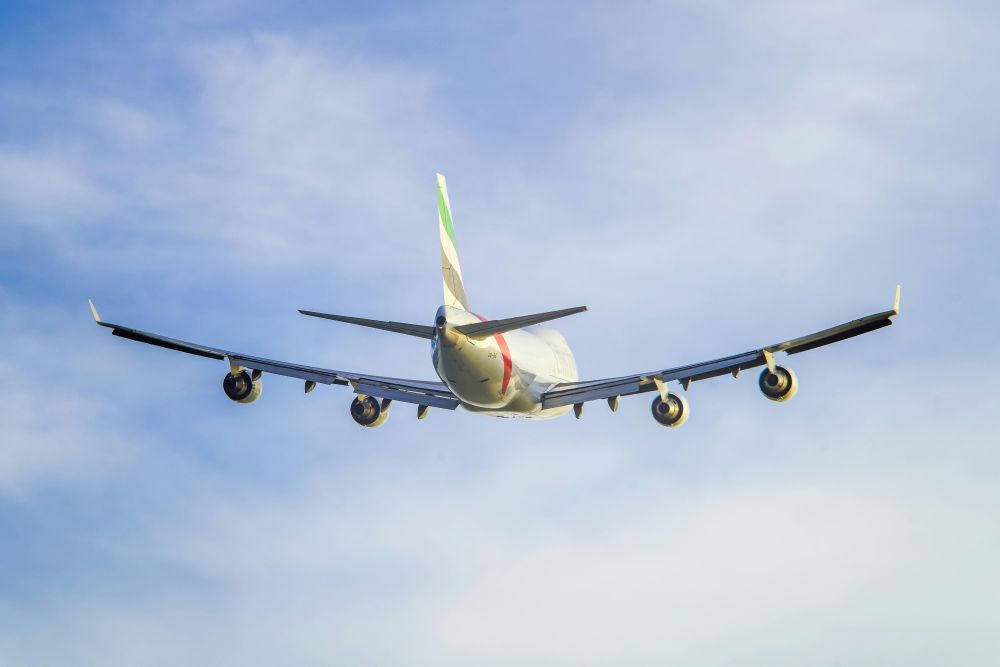
Photo by Shoval Zonnis from Pexels
Prosecutors argue that this route secures accountability while avoiding the risk of losing at trial. They also say the company has made meaningful changes since 2024 to its compliance systems and quality checks. The government maintains that a jury trial could drag on with an uncertain outcome, while the agreement brings immediate financial penalties and reforms.
Still, not all victims’ families agree. Some believe dismissing the case without a public trial amounts to letting Boeing off too easily. Catherine Berthet, whose daughter died in the Ethiopian crash, said the deal feels like the company is “buying everyone off” and that the Department of Justice is disregarding the victims and the judge. About 30 families are calling for a special prosecutor to take over, hoping this would keep the chance of a trial alive.
The Justice Department counters that most families either support or do not oppose the agreement. Prosecutors also argue the judge cannot reject their request unless he finds evidence of bad faith. In practice, federal judges usually defer to prosecutors in such cases, though O’Connor’s past refusal shows the outcome is not guaranteed. If the court agrees to the dismissal, the department has reserved the right to refile charges if Boeing fails to honor the deal over the next two years.
The controversy builds on a long timeline of settlements and disputes. Boeing previously reached a $2.5 billion settlement in 2021 that shielded it from prosecution, but regulators later said the company had broken the terms, leading to the revival of the fraud charge. The crashes themselves were tied to faulty sensor readings that triggered new flight software, forcing the plane’s nose downward until pilots lost control. Investigations revealed Boeing had not shared full details of the software with the Federal Aviation Administration, which meant training standards for pilots were based on incomplete information. That decision saved airlines the cost of simulator training but left pilots ill-prepared for emergencies.
The worldwide grounding of the 737 Max lasted nearly two years, and although the model eventually returned to service, Boeing’s safety record remains under heavy scrutiny. A panel failure on an Alaska Airlines flight in early 2024 reignited concerns, though no fatalities occurred. To date, only one individual— a former test pilot—has faced criminal charges tied to the Max. He was acquitted in 2022 of misleading regulators about training requirements.
Now, with this final hearing, families of victims wait to see whether the company will escape a trial once again. For them, the question goes beyond fines and reforms. It is about whether one of the world’s largest aircraft makers will ever be held fully responsible in a courtroom for decisions that led to hundreds of preventable deaths.

Join the conversation!