
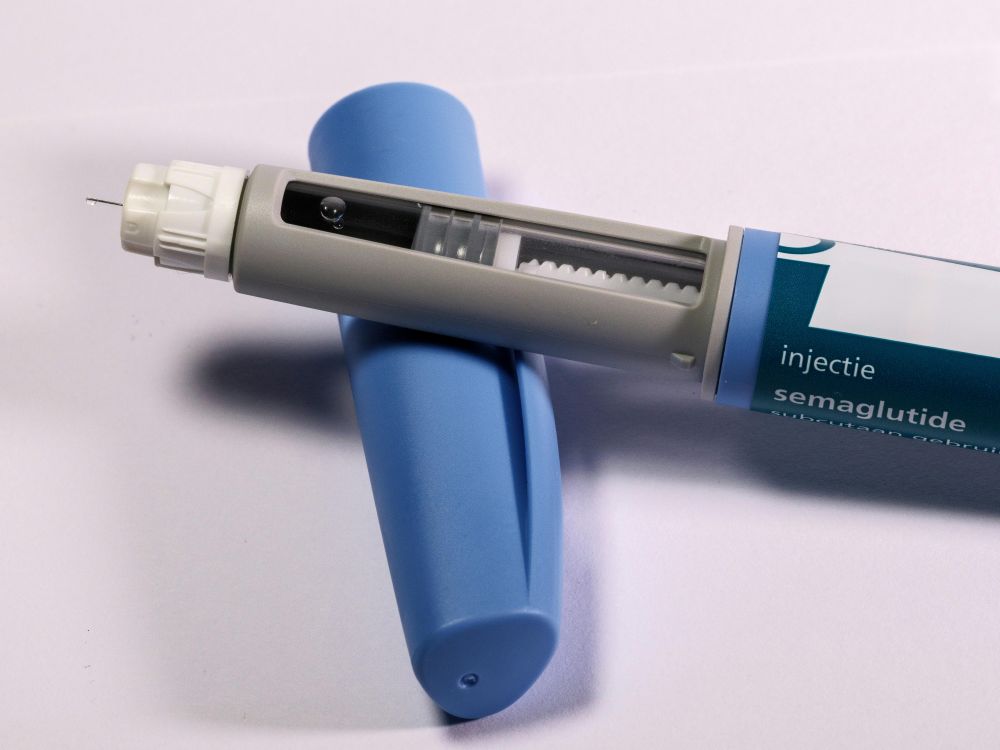
Many young women start GLP-1 drugs without contraception, raising pregnancy concerns.
A growing number of women in their reproductive years are being prescribed glucagon-like peptide 1 receptor agonists, known as GLP-1 prescriptions. These medications were first developed to treat type 2 diabetes, but they are now widely used off-label for weight management. While the drugs can support weight loss and, in turn, improve fertility, their safety during pregnancy is still unclear. At the same time, many of the women starting these medications are not using contraception, raising concerns about unplanned pregnancies and uncertain outcomes for infants.
A large study in Australia tracked more than 1.6 million women between the ages of 18 and 49 over an eleven-year period. Among them, more than 18,000 were prescribed GLP-1 drugs for the first time. The number of prescriptions increased sharply over the years. In 2011, the rate of prescriptions for women with diabetes in this age group was just 13 per 1,000. By 2022, that figure had jumped to nearly 89 per 1,000. What surprised researchers most was that by 2022, most prescriptions were for women without diabetes. More than 90 percent of those given GLP-1 prescriptions that year did not have the condition, showing how rapidly the medications have been adopted for weight loss.
The overlap with contraception use was low. Fewer than a quarter of women starting GLP-1 therapy were documented as using birth control at the same time, and only a small portion of those relied on long-acting reversible methods such as implants or intrauterine devices. This pattern is concerning because studies suggest that weight loss itself can boost fertility, especially for women with conditions like polycystic ovary syndrome. As a result, the likelihood of pregnancy may actually rise soon after beginning treatment.
The research found that more than 200 pregnancies occurred within six months of women starting these medications, out of about 10,800 who could be followed for that length of time. Women on contraception were significantly less likely to conceive during this window, but many still did. Younger women with diabetes, aged 18 to 29, and women without diabetes in their early thirties were the groups most likely to become pregnant after beginning given GLP-1 prescriptions.

Animal studies have raised safety concerns, pointing to effects such as restricted growth in the fetus, delayed bone development, and lower maternal weight gain. Evidence from human studies is less definitive. A recent review of nearly a thousand pregnancies exposed to GLP-1 drugs found no higher risk of major birth defects when compared with women treated with insulin. But important questions remain, since that review did not explore other possible outcomes like preterm birth, growth problems, or miscarriage.
In the United Kingdom, health authorities recommend that women of reproductive age avoid GLP-1 drugs during pregnancy and use reliable contraception if they take them. Similar guidance is being echoed in other countries. Yet the Australian study shows that practice is lagging far behind policy, with most women starting these drugs without documented contraception.
The rapid rise in prescribing since 2020 is thought to be linked to the approval of semaglutide, one of the newer GLP-1 drugs, which was added to Australia’s Pharmaceutical Benefits Scheme. Its popularity as a weight-loss aid has helped fuel the broader surge in prescriptions, and the pattern appears similar in other countries.
The study points to a gap between medical use and reproductive safety. As GLP-1 drugs continue to expand beyond diabetes care, the number of women of childbearing age taking them will only increase. Without stronger guidance and patient education, unplanned pregnancies involving these medications are likely to remain common.
Researchers stress the need for further studies to determine how GLP-1 drugs affect pregnancies beyond the risk of birth defects. Until then, the growing use of these medications among young women represents an area where medical practice, patient awareness, and reproductive health guidance must catch up with prescribing trends.
Join the conversation!