
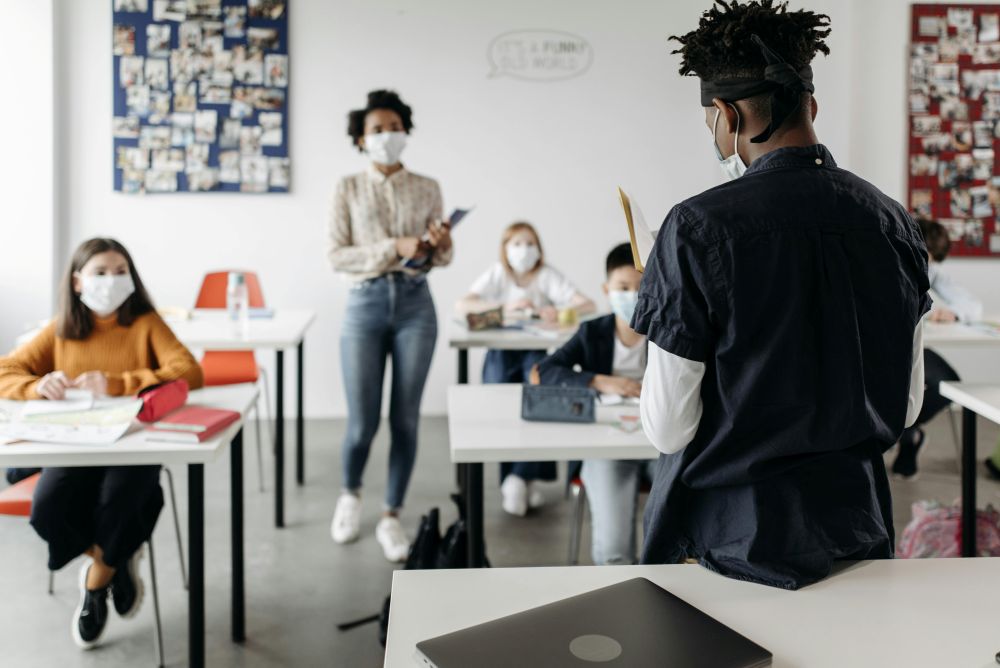
Researchers show mask mandates outperformed school closures in reducing COVID spread.
A new study from Oxford University and the University of Washington has found that school closures during the COVID-19 pandemic created vast long-term economic and social costs while other measures offered stronger health protection at a fraction of the price. Published in BMC Global and Public Health, the research analyzed policies used across the United States in 2020, before vaccines became available, and weighed both the health and economic impacts of these actions.
The work examined eleven non-pharmaceutical measures such as mask mandates, testing, contact tracing, and school closures. These tools were the only defenses available during the early months of the pandemic, and each came with different effects on transmission and on society as a whole. Using disease modeling alongside economic analysis, the researchers were able to compare their outcomes in terms of lives saved, spread reduced, and costs incurred.
School closures, one of the most widely used strategies, prevented an estimated 77,200 deaths and cut transmission rates by about 8.2 percent. But the tradeoff was steep. Keeping students out of classrooms for long stretches of 2020 and into 2021 led to lost learning time equal to about one-third of a school year on average. Some states kept schools closed for nearly the entire academic year. This disruption, the study estimated, will translate into around £1.6 trillion ($2 trillion) in long-term economic losses due to reduced lifetime earnings and productivity.
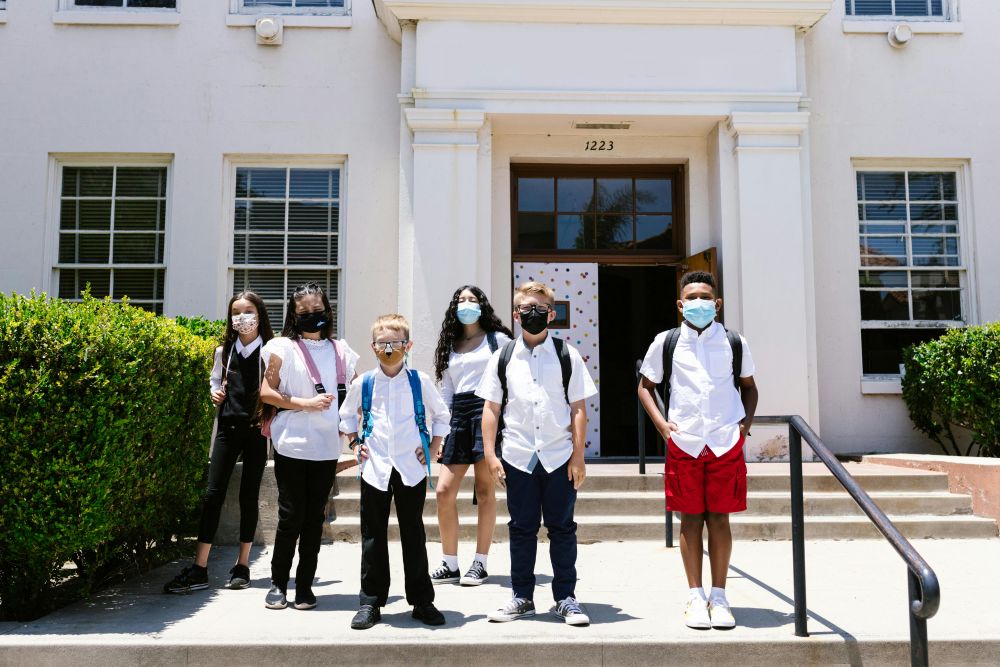
By contrast, mask mandates stood out as far more efficient. They reduced transmission by nearly 19 percent, more than double the effect of school closures, while adding only small costs. Testing and contact tracing also ranked highly in terms of effectiveness compared to their price. These measures not only reduced the spread of infection but also carried benefits in limiting wider economic disruption.
Lead author Nicholas Irons pointed out that the overall policy response was far from perfect, though that was not unexpected in a crisis of such speed and scale. Still, he stressed that some of the strategies proved far more cost-effective than others, and school closures were the clear outlier, with costs that far outweighed their benefits.
The study estimated that if an optimal mix of measures had been used, focusing on mask mandates, testing, contact tracing, and limited facility closures, the overall toll of the pandemic in the United States could have been cut dramatically. Instead of an estimated £3.7 trillion ($4.6 trillion) in combined health and economic costs, the total might have been closer to £1.5 trillion ($1.9 trillion), while also saving more than 100,000 additional lives.
Co-author Adrian Raftery of the University of Washington highlighted the importance of better data collection for managing future outbreaks. In his view, more comprehensive national surveillance in the United States, similar to what was done in the United Kingdom, would allow quicker and more informed decision-making. This, in turn, could help avoid blunt measures like prolonged school closures that carry significant side effects.
The research offers clear lessons for future pandemic planning. Strategies such as mask requirements, widespread testing, and effective contact tracing not only limit spread but do so without generating major economic or social damage. Targeted closures of specific facilities may still be necessary, but keeping schools closed for long periods appears to be one of the least efficient tools, both in terms of public health and long-term national costs.
The findings serve as a reminder that decisions made in emergencies carry consequences long after the crisis has passed. The disruption to education and the resulting economic burden from lost learning will be felt for decades, even though the intended health benefits were limited compared to other measures. Policymakers facing future outbreaks may be better served by looking closely at which tools provide the strongest balance between saving lives and preserving social stability.
Sources:
School closures during COVID created massive long-term costs with limited health benefits
Join the conversation!