
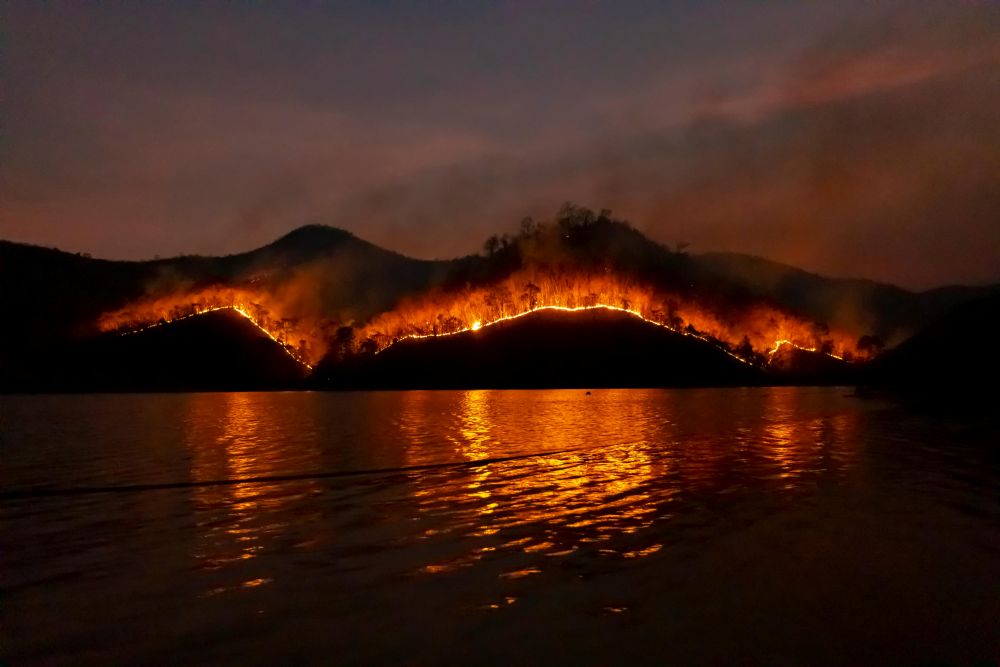
Insurance companies are canceling Spokane policies, leaving homeowners exposed to wildfire threats.
Homeowners across Spokane County are finding that the safety nets they counted on for decades are starting to fray. Insurance companies, once steady providers of protection against fire and storm damage, are backing away from neighborhoods they now consider too risky. For residents who have invested years of work and thousands of dollars into fire prevention measures, the sudden loss of coverage feels like a betrayal.
One Spokane retiree, Marvin Lindberg, received a letter this summer that left him reeling. After nearly thirty years with the same company, his homeowner’s policy was being canceled. The notice explained that his property was now considered part of the “highest 1.1% of risks” according to the company’s internal fire modeling system. His coverage would expire at the end of October. For Lindberg and his wife, who built their home nearly twenty years ago, the news came as a shock.
Lindberg said he believes companies are picking and choosing only the safest properties while continuing to profit from customers through other types of policies, such as auto insurance. To him, that practice defeats the very purpose of insurance. The idea of spreading risk across many policyholders, he said, is being replaced by a strategy of avoiding risk altogether.
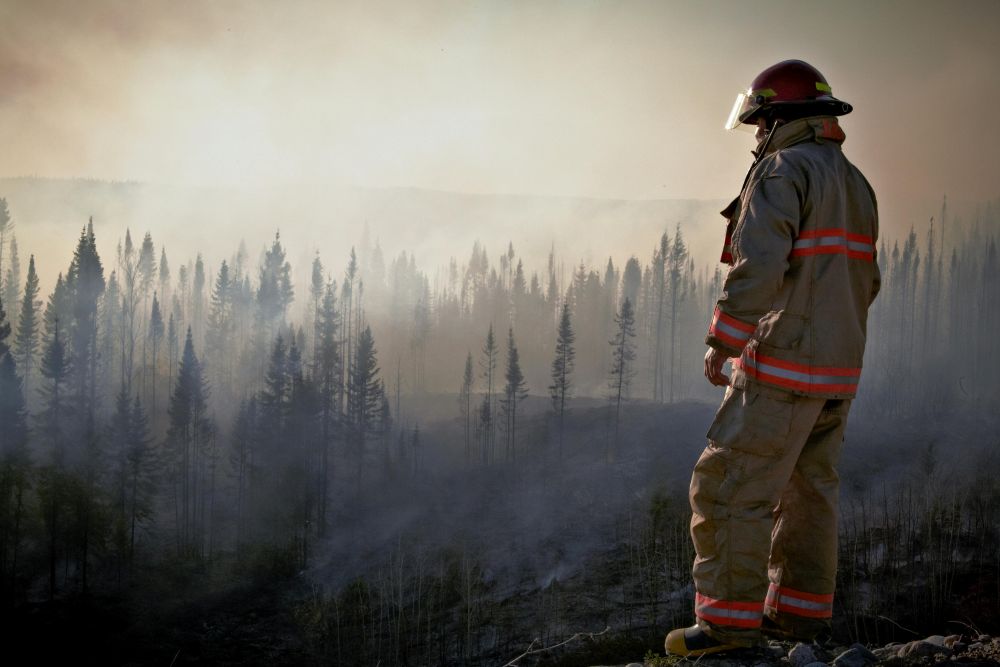
The frustration reached the state level, where Washington Insurance Commissioner Patty Kuderer has been collecting stories like Lindberg’s. She said her office has documented clusters of policy non-renewals and cancellations tied to wildfire danger. Insurers, she explained, are no longer relying only on past claims to set rates and coverage. Instead, they are relying on forward-looking models that attempt to predict where the next large fire may occur.
That kind of predictive approach is not unique to Washington. In California, one major insurer pulled out of a high-risk coastal area only months before a fire destroyed thousands of structures. Kuderer said state regulators cannot force insurers to write policies, but they can investigate whether companies are applying fair practices.
For Lindberg, who spent years turning his forested property into what he calls a hardened target, the decision to cancel coverage felt especially unfair. He and his neighbors have invested heavily in thinning trees, installing water tanks, and outfitting their land with firefighting hookups. One neighbor even purchased a fire truck equipped with hoses and a water cannon. Despite these precautions, Lindberg said no insurer has ever visited his property to inspect the improvements.
The financial blow is just as concerning as the emotional one. When Lindberg shopped around after losing his policy, the only company willing to insure him quoted an annual premium of $15,000—almost four times what he had been paying. That kind of jump, he said, is not sustainable for retirees or working families.
Local leaders echoed the concern. State Sen. Marcus Riccelli described how fire season has become an expected part of Spokane summers, leaving families worried not only about smoke and flames but also about whether they will even be able to keep their homes insured. State Rep. Timm Ormsby shared that he had lost his own policy unexpectedly and had to search for a replacement. He said the complaints pouring into his office show just how widespread the issue has become.
The state does maintain a fallback option known as the Washington Fair Plan. It is designed as a last resort for homeowners who cannot secure coverage elsewhere. Funded by insurance companies rather than taxpayers, the plan currently covers only a few hundred households statewide. But unlike private insurers, it requires the entire annual premium to be paid upfront, and coverage limits are strict. Officials worry that if too many people are forced into the program, it could quickly become unsustainable.
In the meantime, residents like Lindberg are left in limbo. He said he has spent his retirement years preparing his property against fire, believing those efforts would protect both his home and his insurance coverage. Instead, he finds himself priced out of the very protection he thought he had earned.
As Spokane faces hotter summers and longer fire seasons, many families are asking the same question: if insurance companies retreat from high-risk areas, what happens to the communities left behind? For now, the answer remains uncertain, and for many residents, deeply unsettling.
Sources:
‘Outrageous’: Insurance companies using risk of wildfires to drop Spokane-area homeowners
Washington insurance commissioner visits Spokane to talk wildfire coverage
Join the conversation!