

Georgia traffic laws provide powerful tools for establishing fault. A driver who fails to yield, follows too closely, or texts while operating a vehicle violates a legal standard designed to protect others.
Motorbike accidents often create heated disputes about speed, visibility, and right of way. Injured riders face the challenge of proving how the crash occurred while countering defense claims about their own responsibility. Georgia negligence law provides the framework for liability, but the strength of a case rests on how well attorneys connect facts, statutes, and expert opinions.
An experienced motorbike accident lawyer in Atlanta uses multiple legal arguments to establish fault and protect the rider’s right to compensation. These arguments rely on both technical evidence and legal doctrine. Settlement negotiations and trials both depend on how persuasively each point is presented.
Establishing Negligence with Duty, Breach, Causation, and Damages
Negligence requires a precise sequence: duty of care, breach of that duty, causation, and damages. Every driver on Georgia roads must operate with reasonable care and watch for motorcycles, which are smaller and less visible. When a driver texts, makes an unsafe turn, or fails to yield, that conduct qualifies as a breach.
Lawyers then connect the breach to the actual crash. They may use accident reconstruction reports, time–distance calculations, and skid mark analysis to show how the sequence unfolded. Finally, they document damages. Medical bills, lost wages, rehabilitation costs, and emotional suffering all provide proof that negligence caused measurable harm. This structured framework delivers clarity for judges, jurors, and insurers.
Countering Comparative Negligence Under Georgia Law
Georgia follows a modified comparative negligence standard. Victims can only recover if their share of fault is under 50 percent. Any award gets reduced by the percentage of responsibility assigned to the rider. Insurers often argue that the motorcyclist sped, failed to use signals, or maintained poor lane position.
Attorneys counter these arguments with scientific analysis. Event timelines may show that a driver’s sudden left turn created a closing gap that no rider could avoid. Lane placement often reflects a visibility strategy rather than unsafe behavior. Safety gear, reflective clothing, and the use of daytime lights demonstrate reasonable care. Through this evidence, counsel prevents inflated fault percentages that would reduce compensation.
Using Statutes and Regulations to Prove Negligence Per Se
Georgia traffic laws provide powerful tools for establishing fault. A driver who fails to yield, follows too closely, or texts while operating a vehicle violates a legal standard designed to protect others. When attorneys present these violations in court, they create a doctrine known as negligence per se. This means the act itself establishes a breach without further debate.
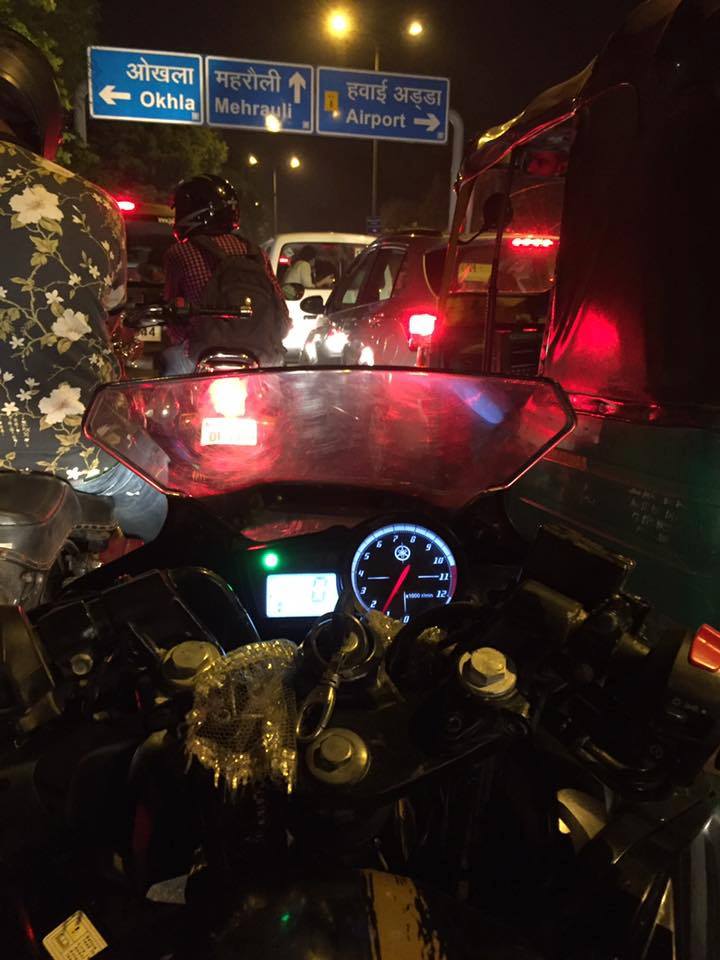
Defense lawyers may raise issues like helmet use or lane splitting. Georgia requires helmets approved by the Department of Transportation and prohibits lane splitting. However, attorneys clarify that these issues do not excuse a driver’s unlawful turn or unsafe maneuver. Helmet arguments may influence damages related to head injuries, but they do not erase liability when the other party caused the crash.
Demonstrating Medical Causation and Proving Complete Damages
Injured riders often face orthopedic trauma, spinal injuries, or traumatic brain injuries. Attorneys must link these conditions directly to the collision. They call on biomechanical experts, treating physicians, and radiologists to explain how crash forces caused the specific injuries.
They also prepare life care plans that project future surgeries, rehabilitation, medications, and home modifications. Economists calculate reduced earning capacity using work history and labor market data. Pain and suffering are supported by symptom diaries, sleep disturbance notes, and testimony from family or coworkers who witness daily struggles. Attorneys also include property damage, motorcycle replacement value, riding gear, and electronics to ensure no loss goes uncounted.
Preserving and Leveraging Digital and Physical Evidence
Evidence preservation strengthens every legal argument. Lawyers send spoliation letters to secure dashcam recordings, store surveillance, and traffic camera video before it disappears. They download Event Data Recorder information from vehicles, subpoena telematics from rideshare fleets, and retrieve 911 audio files to capture immediate witness statements.
They also measure the crash scene, create scaled diagrams, and commission computer models that explain timing, speed, and visibility. Witness credibility often decides close cases. Attorneys interview each witness quickly, compare accounts with physical evidence, and consult human factors experts who evaluate glare, sightlines, and attention demands. These methods reinforce liability and minimize doubts about how the accident occurred.
Guidance for Riders Facing Fault Disputes
Riders can play an active role in strengthening their case. Taking photographs of vehicles, skid marks, debris, and traffic signals creates valuable documentation. Keeping damaged gear, clothing, and helmets preserves physical evidence. Seeking prompt medical care and following treatment plans demonstrates responsibility and supports claims of injury.
Maintaining a personal journal that records pain, limited activities, and missed work provides credible proof of ongoing harm. Avoiding social media posts that insurers could misinterpret also protects the case. Sharing past medical information with counsel allows experts to distinguish new injuries from pre-existing conditions. Each of these steps supplies a motorbike accident lawyer in Atlanta with the raw material needed to present compelling legal arguments and defend against exaggerated fault claims.
Join the conversation!