
Ultimately, ADA-compliant signage is not just about following the rules; it also helps with being inclusive and makes everyone on your premises feel safe and welcome.
The Americans with Disabilities Act requires businesses to provide signs that ensure the safety of all. In most cases, these signs are designed to be noticed by individuals who are either wheelchair-bound or visually impaired. Since March 2011, ADA-type signage has been required and enforced by federal law. Using ADA-compliant signs is important to your business’s safety, reputation, and finances. A non-compliant ADA sign can result in lawsuits and fines. One offense can result in a $75,000 fine, and repeated offenses can amount to $150,000.
Below is a summary of the types of signs you need and their physical requirements.
Sign Requirements by Types
Before installing your sign, you should take your sign’s color, size, and visibility into consideration. These are the components that make a sign ADA-compliant.
In addition to the physical properties of the sign, it is also important to consider the sign’s placement and content.
You must mount ADA-compliant signs near all permanent rooms, spaces, exits, refuge areas, entrances, elevators, restrooms, and parking lots. They must correctly identify the space and provide any necessary information. If these requirements are not met, then the signs are not deemed “accessible.”
A signage company can help you find the ideal material and craft custom messages, or draw inspiration from ready-made templates.
Signs Designating Rooms and Spaces
ADA-compliant signs include signage that designates permanent rooms and spaces. This includes but is not limited to:
- Offices;
- Restrooms;
- Kitchens / Cafeterias;
- Closets;
- Mechanical Rooms.
Directional and Informational Signs
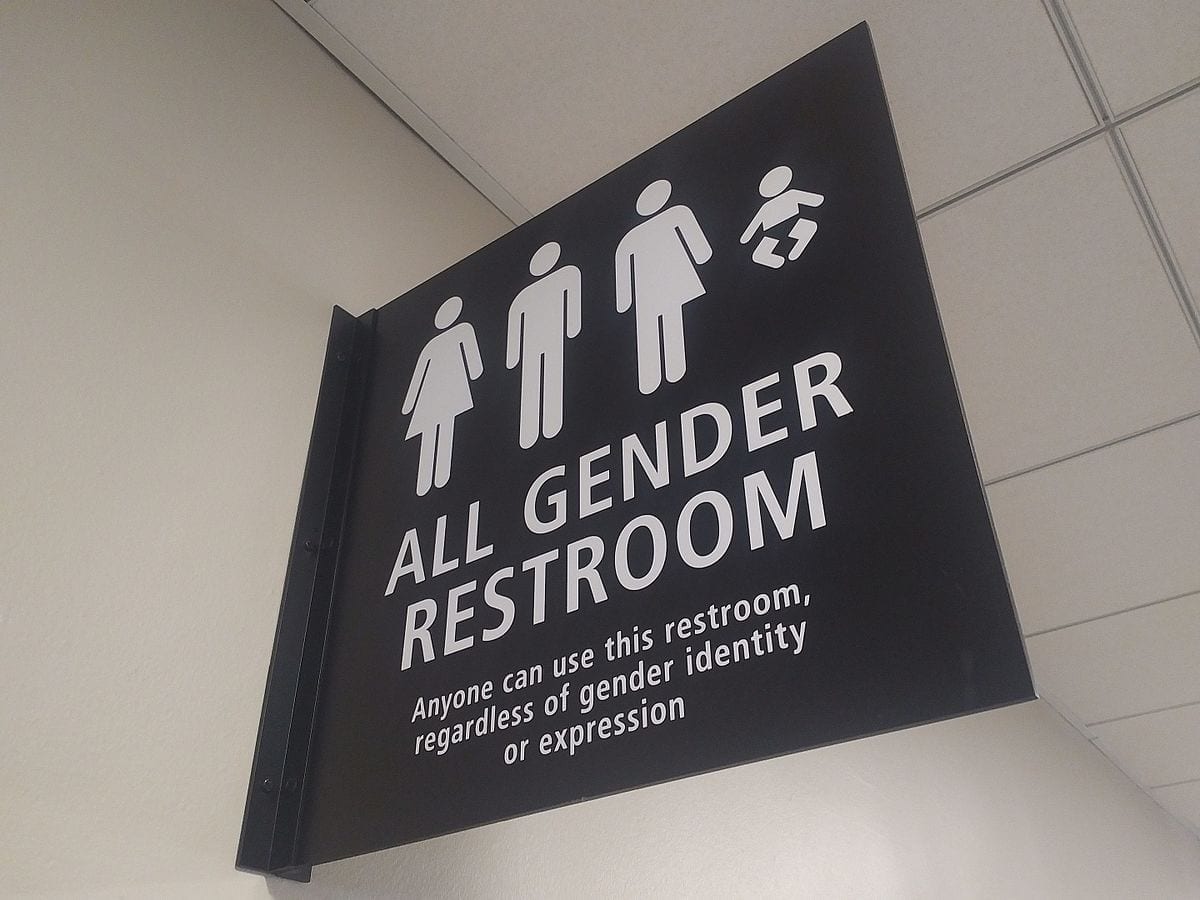
Signs that give directions and information are of the utmost importance. These signs often point visitors to some of the following:
- Lobbies;
- Restrooms;
- Parking Garages;
- Elevators;
- Stairs;
- Exits.
Overhead Signs
Overhead signs are paramount to following ADA compliance. Some examples of overhead signs are:
- Fire Exits;
- First Aid Stations;
- Special Facilities.
Signs Exempt from ADA Standards
Branding and marketing signs, menus, directories, and signs that last a week or less do not need to meet ADA requirements. Signs that exist on the U.S. National Register of Historic Places are also exempt.
Braille and raised characters are two components for many ADA-compliant signs. However, they are not required on overhead and mounted signs. But both sign types must be visible and legible from a distance.
Key Regulations for Creating ADA-Compliant Signs
The specificities regarding ADA-compliant signs come from the 2010 ADA Standards for Accessible Design (SAD). All state and local government facilities, public accommodations, and commercial facilities must comply with these standards.
Size and Space
Signs with raised characters need to be mounted on the latch side of the door. The distance between the floor and baseline of the characters needs to be 60 inches from the highest character, and 48 inches from the lowest character. All signs should be mounted so that a clear floor space is provided beyond the arc of the door. Overhead signs need to be at least 80 inches from the bottom of the sign to the finished floor. They must also have 80 inches of clearance from the bottom of the sign to the finished floor if the mounted sign goes beyond 4 inches from the wall.
Font and Character
Tactile characters and fonts (meaning that they are physical and touch-based), if raised, need to all be uppercased and in sans-serif font. They cannot be printed in oblique, script, or italic font. All raised characters need to be 1/32 inch raised from their background, and their height should be between ⅝ inches and 2 inches. The stroke thickness (the size of the lines that form the actual letters) must not exceed 15% of the character height.
Pictograms need to be placed in a 6-inch-high “field” that has no raised characters or braille dots. It also requires a non-glare finish.
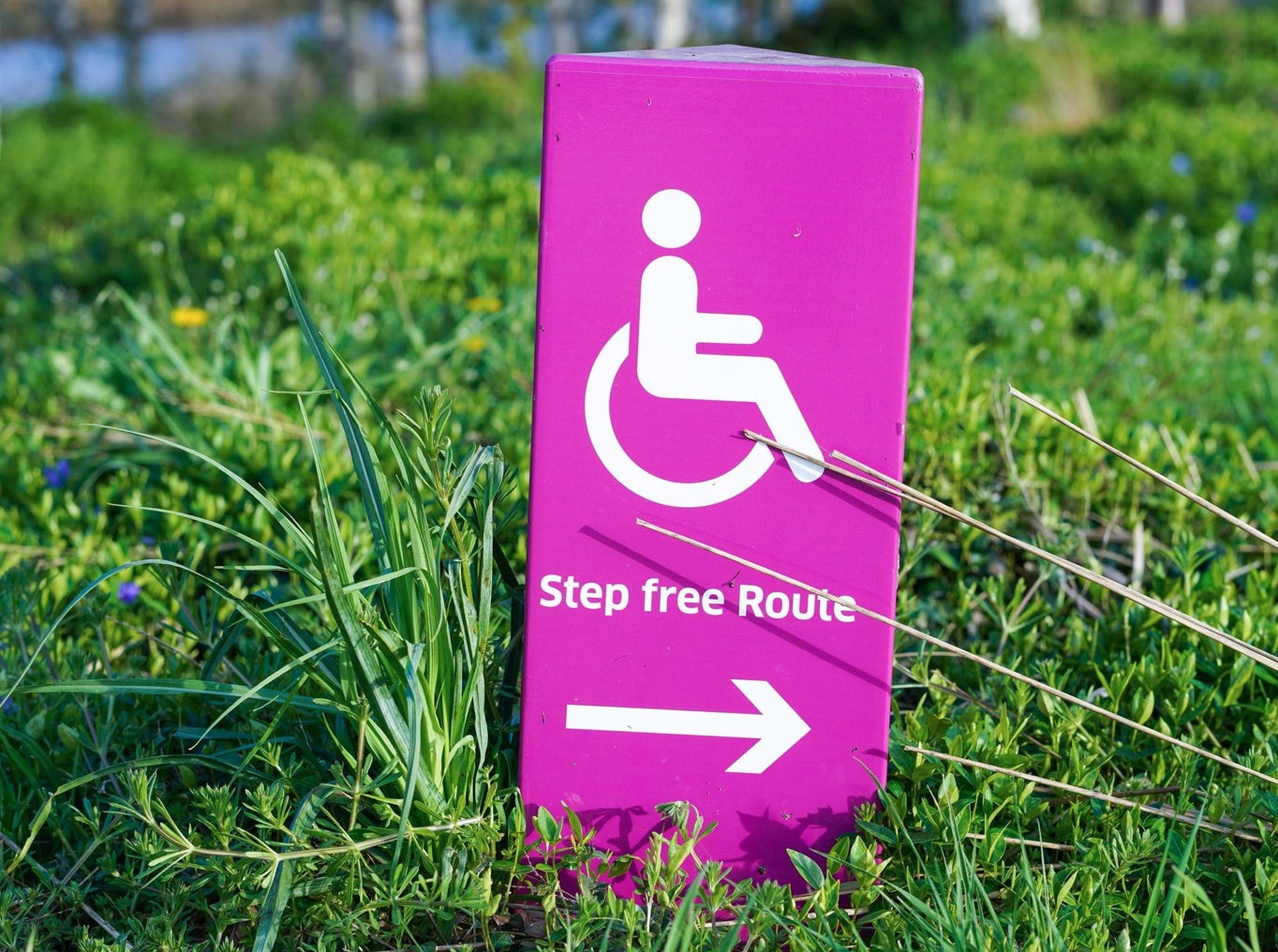
One of the most popular and recognizable pictograms is the International Symbol of Accessibility (wheelchair symbol). This pictogram needs to be on all wheelchair accessible restrooms/bathing rooms, dressing rooms, refuge areas, amusement ride entrances, parking spaces, check-out aisles, and loading zones.
Other recognizable pictograms include:
- Ear symbol (International Symbol for Hearing Loss);
- Text telephone symbol (International Symbol of Text Telephone);
- Telephone symbol (Voice-controlled Telephone).
Braille
Braille is a tactile writing system that consists of raised dots for visually impaired people to discern information. The ADA requires a specific type of braille on each sign, which is described as Grade 2. This specific grade uses contractions instead of direct translation, which saves space.
The braille on ADA-compliant signs must be domed or rounded. Capitalization is required for names, proper nouns, individual letters, acronyms, or for the first words of a sentence. Braille must also be positioned below the corresponding text. Braille must also be separated ⅜ inch from any other tactile characters, raised borders, or decorative elements. It must also always be placed under the pictogram.
Contrast
ADA-compliant signs also require specific types of finish and contrast. They are required to have a non-glare finish with no gloss. There must also be a high contrast between the sign background and raised characters and pictograms. In other words, dark characters must contrast with a light background, and a dark background must have light characters.
Ultimately, ADA-compliant signage is not just about following the rules; it also helps with being inclusive and makes everyone on your premises feel safe and welcome. ADA-compliant signs also help optimize your space for everyone, not just the ones who need it. It can also damage your reputation and come off as unprofessional if they’re missing.
Join the conversation!