
When someone is hurt on the job, the real price isn’t just the ambulance ride or the doctor’s bill. It’s the lost future wages, the strain on relationships, the downtime at work, and the emotional toll that never shows up on a balance sheet.
When we think of workplace injuries, the most immediate concerns are often clear: emergency care, medical treatment, and lost wages. These are the primary costs that workers’ compensation insurance is designed to cover. But beneath the surface lies a much larger, and often underestimated, set of consequences that affect both employees and employers in deeply personal and financial ways.
Through workers’ compensation cases, one truth becomes increasingly evident: the hidden costs of workplace injuries can linger long after the bandages come off or the insurance checks are mailed. This article examines the less obvious but highly significant costs of workplace injuries and why both workers and employers must address them directly.
For Employees, It’s More than Just a Lost Paycheck
Most injured workers know that workers’ comp helps cover medical expenses and lost wages, but many are shocked by the out-of-pocket costs and long-term impacts that aren’t always covered.
Loss of Future Earning Capacity
Some injuries don’t just take a worker off the job temporarily; they change what kind of work they can do permanently.
Consider a warehouse worker who suffers a serious back injury. While surgery and physical therapy may help them recover, they may no longer be able to lift heavy items or stand for long hours. If their entire career relied on physical labor, they may face a permanent reduction in earning power, even if they find another job.
This isn’t always accounted for in a standard benefits package. While permanent partial disability benefits exist, they often don’t fully replace the lost potential of a career cut short.
Emotional and Psychological Impact
Injuries affect more than the body; they often leave deep emotional scars. Many of our clients report struggling with:
- Anxiety and depression are related to their recovery.
- Stress about finances or returning to work.
- Loss of independence and sense of purpose
These emotional impacts are often overlooked or untreated, especially if workers focus solely on physical recovery. And yet, untreated mental health challenges can delay healing, increase absenteeism, and affect overall quality of life.
Out-of-Pocket Expenses
Even with coverage, injured workers may find themselves paying for things they didn’t expect, such as:
- Transportation to and from medical appointments
- Childcare during rehabilitation or therapy sessions
- Home modifications like wheelchair ramps or bathroom adjustments
- Over-the-counter medical supplies are not covered by insurance.
These small costs add up quickly, especially when income is already reduced.
Employers’ Business Costs Beneath the Surface
Employers often see workers’ comp as a line item, a cost of doing business. But a single injury can spark a chain reaction of hidden costs that affect the entire organization.
Loss of Productivity
When a key employee is injured, productivity takes a hit, not just from their absence, but from the learning curve of whoever fills in.
If a construction supervisor with years of experience is suddenly unavailable, the crew may face delays, safety concerns, and missed deadlines. That one injury can cause ripple effects across multiple projects or departments.
Overtime and Replacement Costs
To keep operations running, many employers must:
- Pay overtime to current employees
- Hire temporary workers or outside contractors.
- Retrain existing staff to cover new roles.
These costs can exceed the original salary of the injured worker, particularly in industries that require specialized skills or operate under tight timelines.
Decreased Morale and Retention
When a serious injury occurs, especially if it’s due to poor safety practices, employee morale can plummet. Workers may begin to feel:
- Unsafe in their environment
- Distrustful of leadership
- Less motivated or engaged
This can lead to increased turnover, lower productivity, and higher recruiting costs. In industries already facing worker shortages, this is no minor issue.
Damage to Reputation
In today’s connected world, news travels fast. A workplace injury, especially one that could have been prevented, can lead to negative publicity, poor online reviews, or even legal action. This is especially critical for businesses that depend on public trust, such as:
- Construction firms bidding on large contracts
- Healthcare facilities where safety is essential
- Manufacturers with major brand partnerships
A reputation for unsafe practices can damage client relationships and undermine long-term growth.
What Can Be Done to Protect Employers and Their Employees?
For Employees:
- Document everything: Keep detailed records of your injury, medical treatments, and related expenses.
- Seek emotional support: Don’t ignore signs of depression or anxiety—mental health matters.
- Consult an attorney: Not all injuries are treated fairly. A workers’ compensation attorney can help ensure you get the benefits you truly need—not just the ones offered by default.
For Employers:
- Invest in safety training and equipment: Prevention is always cheaper than recovery.
- Support injured workers’ full recovery: Offer flexibility, mental health support, and transition plans.
- Take every injury seriously: Even a “minor” incident can signal larger systemic risks.
Hypothetical Example: A Hidden Cost Uncovered
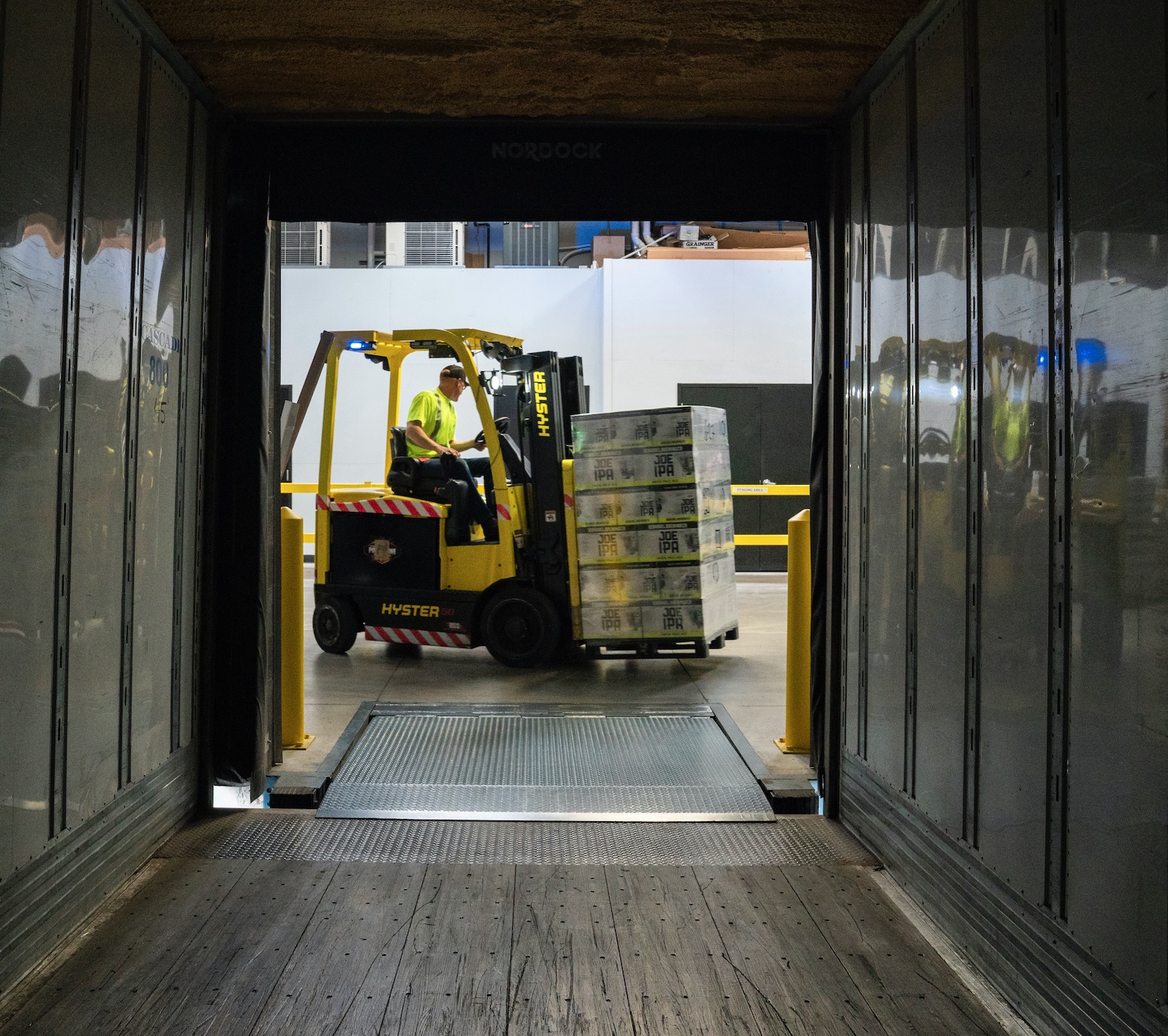
Imagine a forklift operator named Mike who suffers a serious shoulder injury while unloading inventory in a warehouse. He needs surgery, followed by several months of physical therapy and rehabilitation. Workers’ compensation covers Mike’s medical expenses and a portion of his lost wages, but the hidden costs begin to add up quickly.

Mike’s wife, Sarah, has to reduce her hours at work so she can drive him to medical appointments and assist with daily tasks he can no longer manage on his own, and that lost income puts additional strain on their finances. They start paying out-of-pocket for parking at the hospital, gas for weekly appointments, and over-the-counter medical supplies that aren’t covered by insurance, but the bills continue to pile up. When Mike is cleared to return to work, he finds out he can no longer perform the heavy lifting required for his old role.
Despite his best efforts, the physical restrictions prevent him from going back to the job he trained for. Meanwhile, Mike’s employer scrambles to fill the gap, so they hire a temporary contractor to keep operations moving, but onboarding takes time, and delays in production impact delivery schedules and customer satisfaction. What started as a single injury doesn’t just affect Mike; it involves Sarah, their household budget, the employer’s bottom line, and even the company’s reputation.
This is how one workplace injury can quietly ripple through every layer of life and business, far beyond what’s covered by a workers’ compensation check.
The True Cost of Workplace Injuries
When someone is hurt on the job, the real price isn’t just the ambulance ride or the doctor’s bill. It’s the lost future wages, the strain on relationships, the downtime at work, and the emotional toll that never shows up on a balance sheet. That’s why it’s so essential to view workplace injuries for what they truly are: multi-layered, high-impact events that affect people and companies in ways that extend far beyond a claim form.
Join the conversation!