
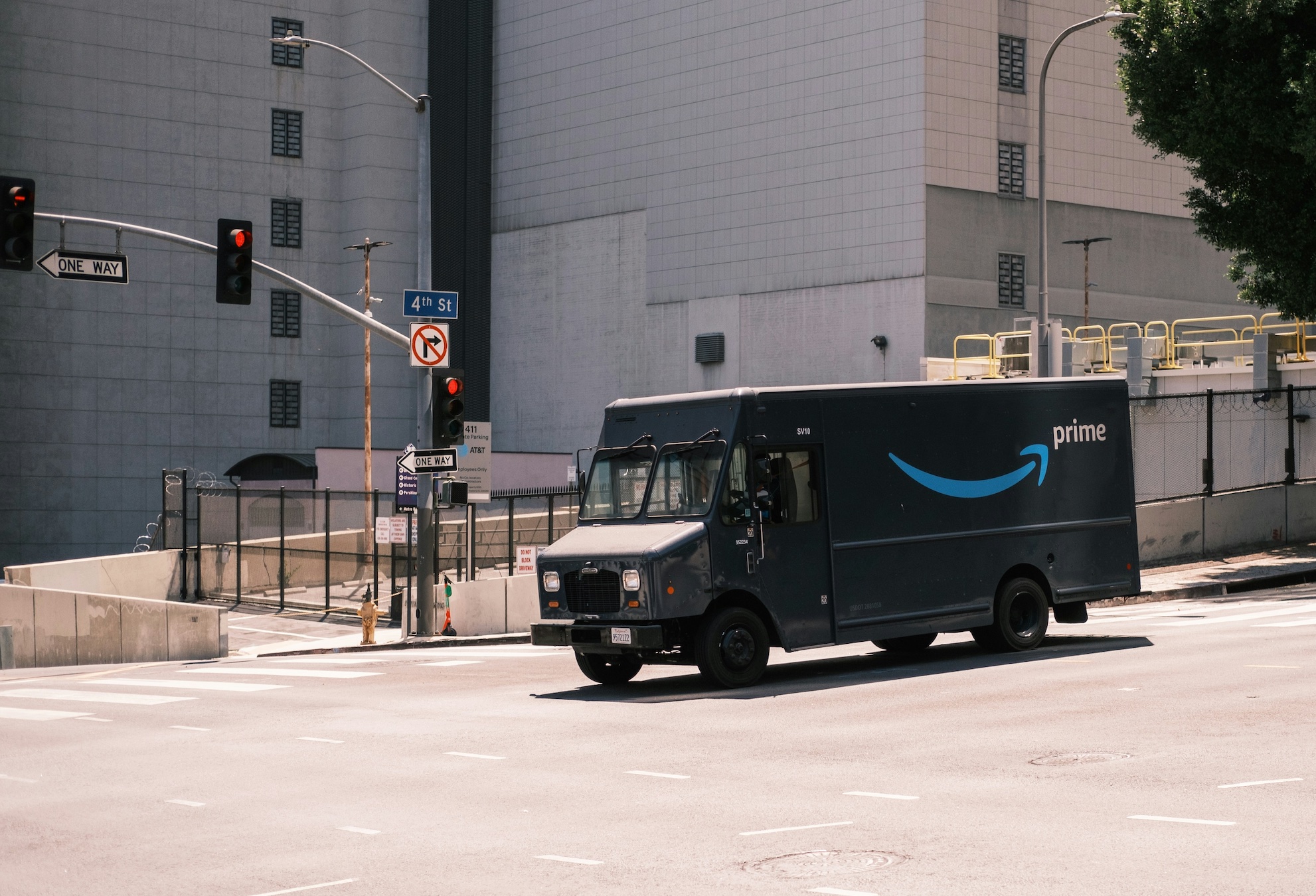
Amazon delivery vehicle hit and runs require swift, strategic action. Document thoroughly, identify the responsible parties, and understand your compensation options.
Amazon delivery vehicles make millions of deliveries across America each day, and with this amount of deliveries come an unfortunate increase in traffic incidents. A common scenario is when a person is backing out of their driveway and an Amazon-branded van clips their vehicle and speeds away without stopping. Understanding your legal rights after an Amazon delivery hit and run can mean the difference between absorbing thousands in costs or receiving proper compensation.
Immediate Steps to Take After the Incident
Your actions immediately after a hit and run determine the strength of your case. Start by documenting everything; capture photos and videos of vehicle damage, skid marks, debris and your surroundings from multiple angles. If witnesses saw the incident, get their names and phone numbers immediately. Critical information to record include:
- Vehicle markings (Amazon logo, Prime branding, or plain white)
- Partial license plate numbers, even if just a few digits
- Driver’s physical description
- The time and exact location as well as the direction the vehicle traveled
Check nearby homes for Ring doorbells or security cameras that may have captured the incident. Contact police immediately, as a formal report creates an official record and triggers an investigation. Even if you feel fine, see a doctor within 24 hours. Adrenaline masks injuries, and delayed medical treatment weakens your claim.
Identifying the Responsible Party
Amazon’s delivery system operates through three distinct channels: Amazon Prime-branded vans driven by Delivery Service Partner (DSP) employees, Amazon Flex drivers using personal vehicles, and third-party contractors. This fragmented structure complicates liability, but it doesn’t eliminate it.
The police report becomes your primary tool for identifying the driver. Officers can trace license plates and cross-reference delivery routes. Contact Amazon’s customer service immediately and file an incident report, providing all details you collected. Amazon maintains records of which drivers worked specific routes at specific times.
If the incident happened in California, an experienced personal injury lawyer in San Jose can subpoena Amazon’s internal records, GPS data and employment documentation. License plate databases and traffic camera footage provide additional tracking mechanisms.
Your Legal Options for Compensation
You have multiple pathways to recover damages after an Amazon delivery hit and run. First, pursue a claim directly against the at-fault driver once identified. Amazon may bear liability under vicarious liability principles if the driver was acting within their employment scope, regardless of independent contractor status.

If the driver remains unidentified or lacks insurance, tap your uninsured motorist coverage. This insurance protects you when hit by uninsured or hit-and-run drivers. Recoverable damages include medical expenses, lost income, vehicle repairs, rental car costs, and pain and suffering compensation.
Time constraints matter. Most states impose a two-to-three year statute of limitations for personal injury claims. Filing an insurance claim differs from filing a lawsuit; insurance claims typically resolve faster but may offer lower settlements. Lawsuits take longer but can yield substantially higher compensation, especially when injuries are severe.
Taking Action to Protect Your Rights
Amazon delivery vehicle hit and runs require swift, strategic action. Document thoroughly, identify the responsible parties, and understand your compensation options. Do not face Amazon’s legal machinery alone – experienced representation levels the playing field and maximizes your recovery.
Join the conversation!