
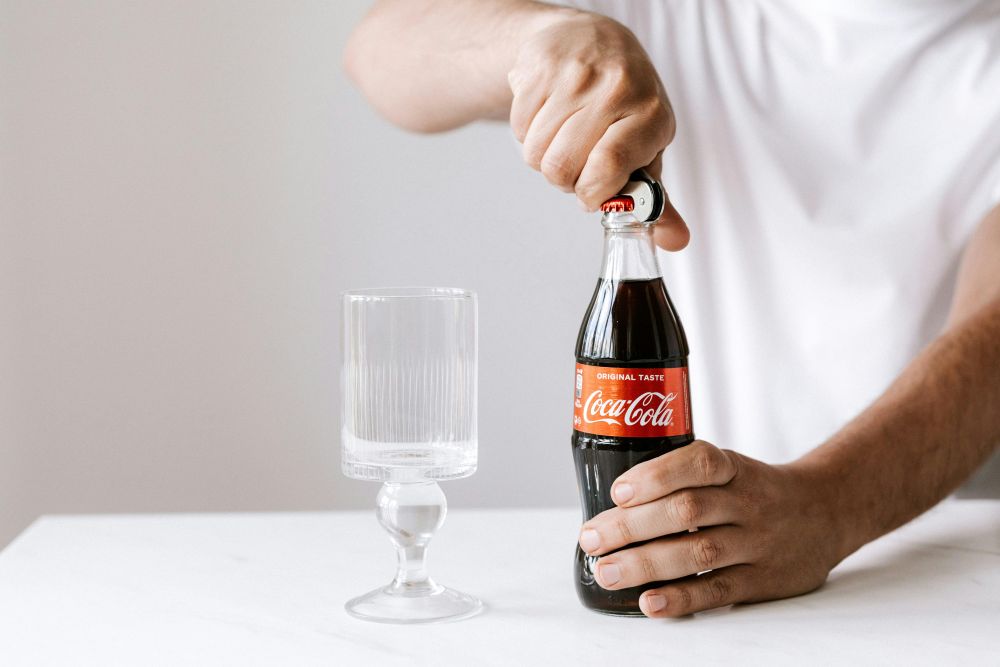
Study finds sugary drinks may alter gut bacteria tied to depression.
A new study has found that drinking even moderate amounts of soft drinks could be linked to higher rates of depression, especially among women, by changing the balance of bacteria in the gut. The research, published in JAMA Psychiatry, offers fresh evidence that what people drink may affect not only their physical health but also their emotional well-being.
The study examined 405 patients diagnosed with major depressive disorder and 527 healthy individuals in Germany. Researchers compared their soft drink intake, gut microbiome composition, and depression severity. Results showed that those who drank more soft drinks had higher odds of being diagnosed with major depression, with women showing a stronger connection than men. For each increase in soft drink consumption, the likelihood of depression went up about eight percent overall and sixteen percent for women.
Even after accounting for other factors such as body weight and antidepressant use, the pattern stayed consistent. Women who consumed more soft drinks had higher levels of a particular gut bacterium called Eggerthella. This bacterium, when found in greater amounts, has been tied to inflammation, reduced serotonin levels, and lower production of beneficial short-chain fatty acids that support brain and gut health. Researchers found that Eggerthella appeared to mediate part of the relationship between soft drink intake and depression severity, accounting for roughly four to five percent of the link.
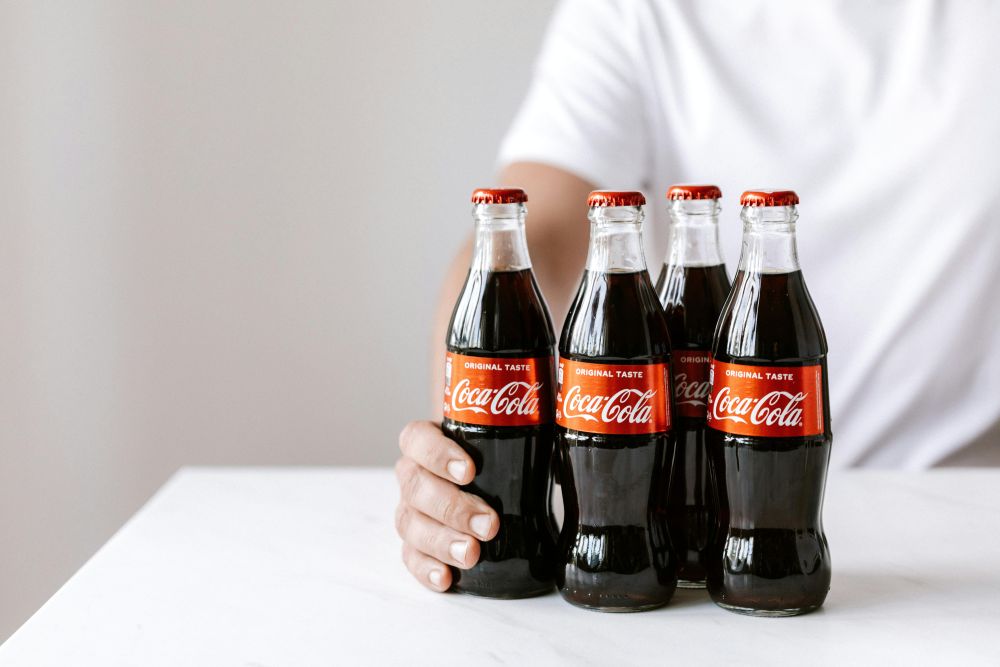
Soft drinks are already known to contribute to health problems like diabetes, obesity, and heart disease. But their effect on the brain and mood is a newer focus of study. The human gut is home to trillions of bacteria that communicate with the brain through the so-called “gut-brain axis.” When this balance is disrupted—such as by excessive sugar intake—it can promote inflammation that affects both mental and physical function.
The researchers also found that women with depression tended to have less diverse gut bacteria overall, meaning a few types of bacteria were more dominant while others were reduced. This imbalance was not seen in male participants. Though the exact reason for the gender difference is unclear, scientists believe hormonal or metabolic factors may play a role in how gut bacteria interact with mood regulation.
Importantly, the researchers cautioned that their findings do not prove cause and effect. It remains possible that people with depression consume more soft drinks as a form of comfort or habit. Still, the consistent pattern suggests that sugary drinks might play a part in worsening or maintaining depressive symptoms. Since both soft drink consumption and depression are common worldwide, even small effects could have a large public impact.
The study adds weight to growing calls for public education about the mental and physical effects of sugary beverages. Experts suggest that reducing soft drink intake is one of the simplest and most achievable steps for improving health. Some countries, including the United Kingdom, have introduced taxes on sugary drinks that successfully lowered consumption and obesity rates. The researchers also recommend expanding these efforts to consider the mental health implications of diet choices.
They emphasize that lifestyle measures like exercise cannot fully offset the effects of high soft drink intake. Instead, comprehensive prevention strategies are needed, ones that encourage dietary awareness, restrict marketing of sugary drinks to children, and explore interventions that support healthy gut bacteria. Further research, including clinical trials, could determine whether cutting back on soft drinks may directly help reduce depression risk.
For now, the evidence suggests that what seems like a harmless daily habit could be quietly influencing emotional health through unseen biological pathways.
Sources:
Drinking soft drinks may fuel depression by altering gut bacteria
Soft Drink Consumption and Depression Mediated by Gut Microbiome Alterations
Join the conversation!