
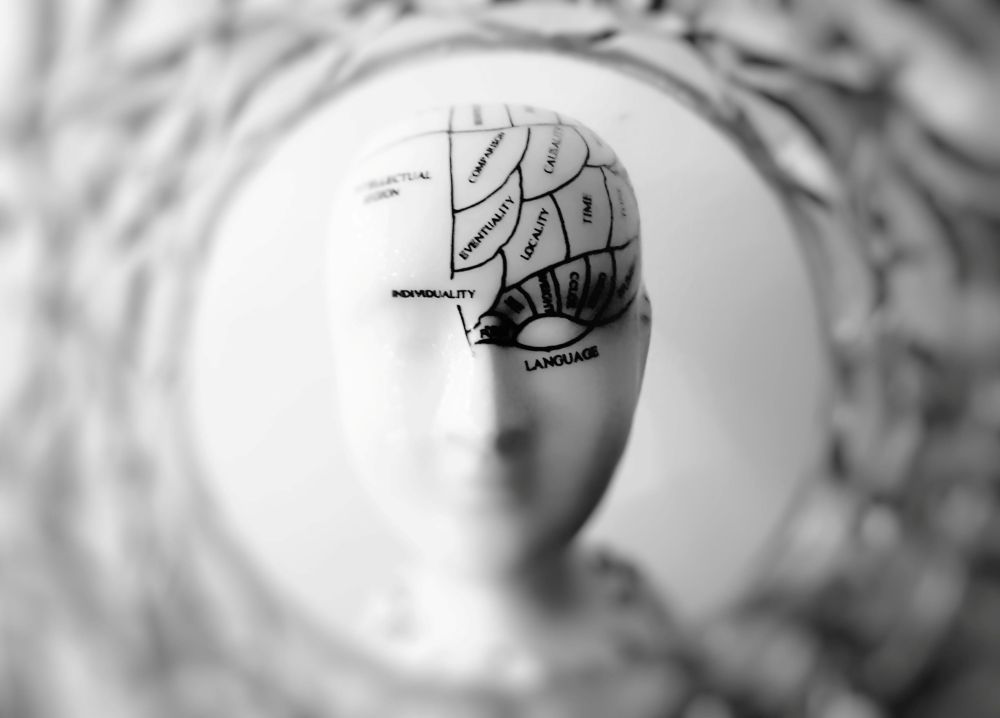
Study links estrogen changes to dopamine-driven learning differences in brain.
New research from New York University shows that hormonal changes may play a larger role in how the brain’s learning system operates than previously believed. Scientists discovered that the female hormone estrogen affects dopamine, a chemical messenger responsible for signaling rewards and guiding learning. The findings suggest that learning ability can rise and fall naturally during hormonal cycles, with implications for understanding both healthy brain function and mental illness.
The study, published in Nature Neuroscience, was led by neuroscientist Christine Constantinople and postdoctoral researcher Carla Golden. Their team conducted a series of experiments with laboratory rats to explore how changes in estrogen influence the brain’s reward system. Rats were trained to recognize sounds that signaled when and how much water they could access. Researchers tracked brain activity and performance under different hormonal conditions to see how the animals’ learning changed.
When estrogen levels were high, the rats learned more efficiently and responded faster to reward signals. The scientists found that estrogen enhanced dopamine activity in the brain’s reward center, making the signals associated with rewards stronger. In contrast, when estrogen activity was blocked, dopamine signaling weakened and learning slowed. The results indicate that estrogen doesn’t just regulate mood or energy—it also appears to tune how effectively the brain learns from experience.
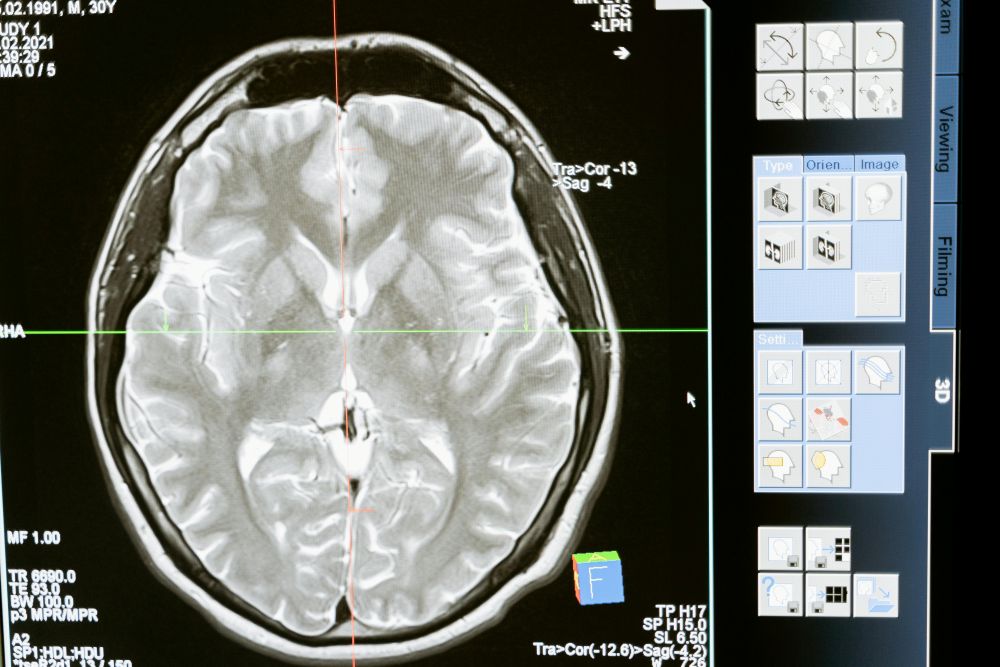
Interestingly, the team found that while learning was affected by estrogen, decision-making was not. This distinction points to specific brain systems that depend on estrogen-linked dopamine signaling. The researchers believe this could help explain why many psychiatric conditions, such as depression or anxiety disorders, show changes in symptom severity across hormonal states.
Hormones are already known to have widespread effects on brain function, influencing everything from memory to motivation. But the detailed pathways behind those effects have remained difficult to map. This study begins to fill that gap by showing a biological link between hormone levels, dopamine activity, and the way learning occurs. Constantinople said the findings create “a bridge between dopamine’s role in learning and the biological changes that come with hormonal cycles.”
The research was supported by the National Institutes of Health, the National Cancer Institute, NYU Langone Health, and the Simons Foundation. The scientists emphasized that their results were based on animal studies, but they see parallels with what has been observed in human behavior. Many women report differences in focus, motivation, or emotional responses throughout the menstrual cycle—patterns that might now be better understood through these findings.
The implications extend to mental health research. Because dopamine signaling plays a major part in disorders like schizophrenia, ADHD, and bipolar disorder, understanding how hormones alter that system could help improve treatment approaches. If hormone-related dopamine changes influence how people learn or process rewards, that knowledge could guide when and how certain therapies are most effective.
The work also adds to a growing body of evidence showing that biological sex and hormone levels can influence neuroscience outcomes. Historically, much of brain research was conducted primarily on male animals, leaving key gaps in knowledge about female physiology. Recent efforts, including this study, are beginning to correct that imbalance by examining how hormonal fluctuations shape cognition and behavior.
Future studies will explore how these findings translate to humans, particularly how estrogen and dopamine interact in real-world learning or mental health contexts. The NYU team believes understanding these cycles could reveal new insights into why some mental illnesses are more common or severe in women and may open doors for more tailored treatments.
Sources:
Hormonal fluctuations shape learning through changes in dopamine signaling
Estrogen modulates reward prediction errors and reinforcement learning
Join the conversation!