
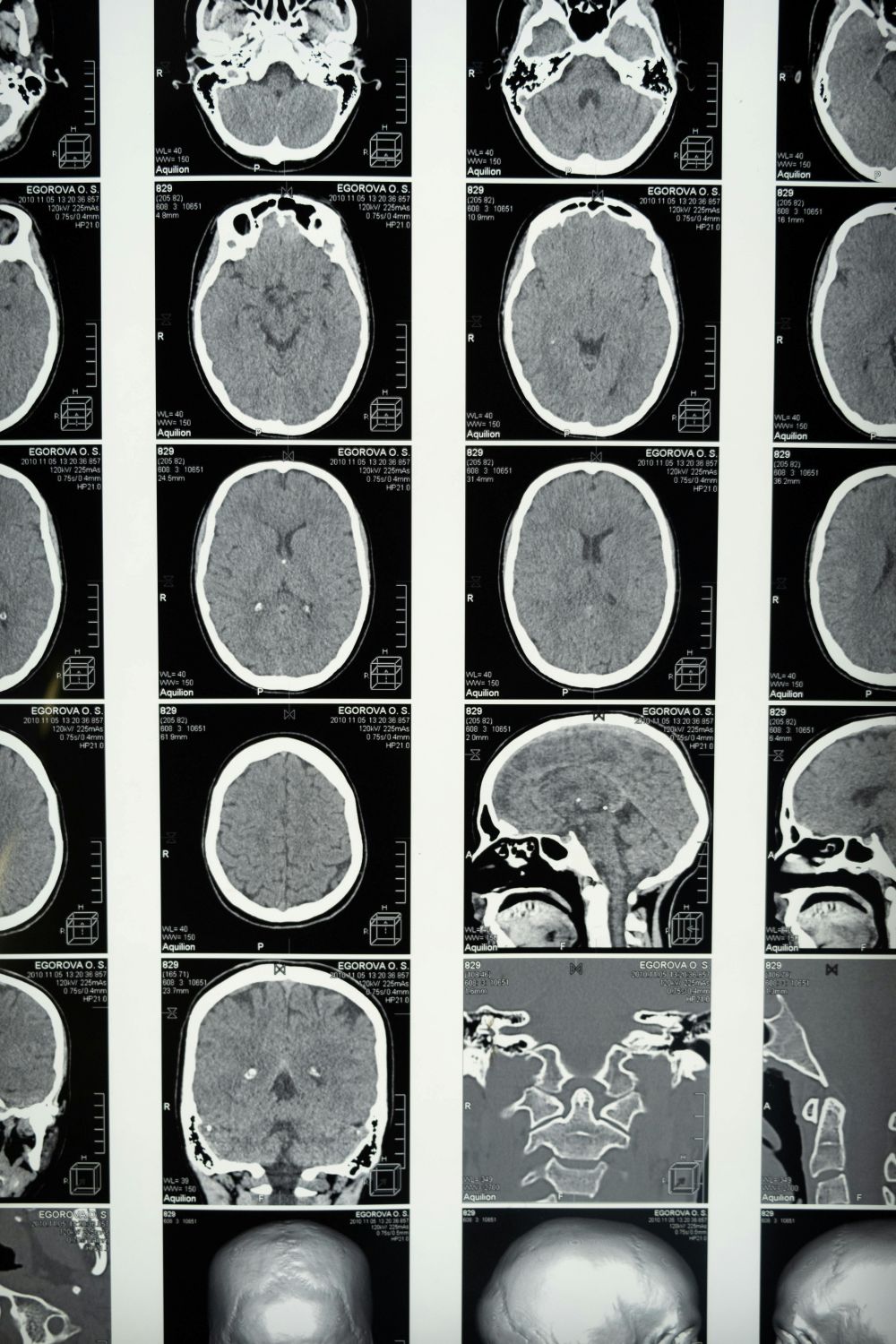
Study links brain biology to network activity shaping thought and behavior.
A research team from Georgia State University has taken an important step toward showing how brain biology, even its smallest parts, build larger systems that guide thought, emotion, and everyday behavior. The work draws from several areas of science and brings together brain scans, genetic brain biology records, and molecular maps to form a picture of how tiny structures help shape broader patterns seen during mental activity. The findings come from a project involving the TReNDS Center, a joint effort linking Georgia State, Georgia Tech, and Emory University. The center focuses on tools that connect imaging data with biological features that may influence thinking, mental health, and age-related changes.
Guided by senior author Vince Calhoun, the team studied how cells, chemical messengers, and energy-producing structures relate to brain networks often seen in fMRI scans. Calhoun explained that large networks do not form at random. Instead, they grow from a kind of hidden blueprint based on chemical and cellular gradients. These gradients help set up the pathways through which different areas of the brain share information. Each type of data gives a partial view, but when combined, they form a picture showing how the brain organizes itself from the ground up. The study suggests that network activity does not stand apart from biology. Instead, it may serve as the link between molecular details and behavior.
The project made use of dynamic connectivity, which tracks shifting activity patterns in real time. These patterns were studied along with maps showing where certain cell types cluster, where chemical messengers such as serotonin and dopamine are most active, and where mitochondria are working hardest. The combination offered insight into how different levels of the brain support each other. A statistical method known as mediation analysis helped show that networks may act as bridges between biology and behavior rather than simply moving in parallel. This may help explain how small cellular shifts can guide larger changes in thinking.
Lead author Guozheng Feng described the networks as middlemen that help translate small biological features into complex mental states. The team believes this connection may help clarify why some people experience mood disorders, memory problems, or disrupted thinking. Since many conditions involve both molecular imbalance and network instability, linking the two could help identify which systems are most affected in conditions such as depression, schizophrenia, or Alzheimer’s disease.
Research assistant professor Jiayu Chen added that the project moves science closer to answering how cellular and molecular patterns help form the architecture of functional networks. Her work centers on understanding how genes shape the appearance and activity of the brain, and the new findings help fit several pieces of this puzzle together.
Calhoun hopes this line of research will eventually make it possible to build personalized maps showing how each person’s biology relates to network function. Such progress may support more tailored care, fitting treatments to the way each brain is organized. The TReNDS Center plans to continue developing tools that turn complex imaging data into markers that can guide care and deepen understanding of brain health and disease.
Join the conversation!