
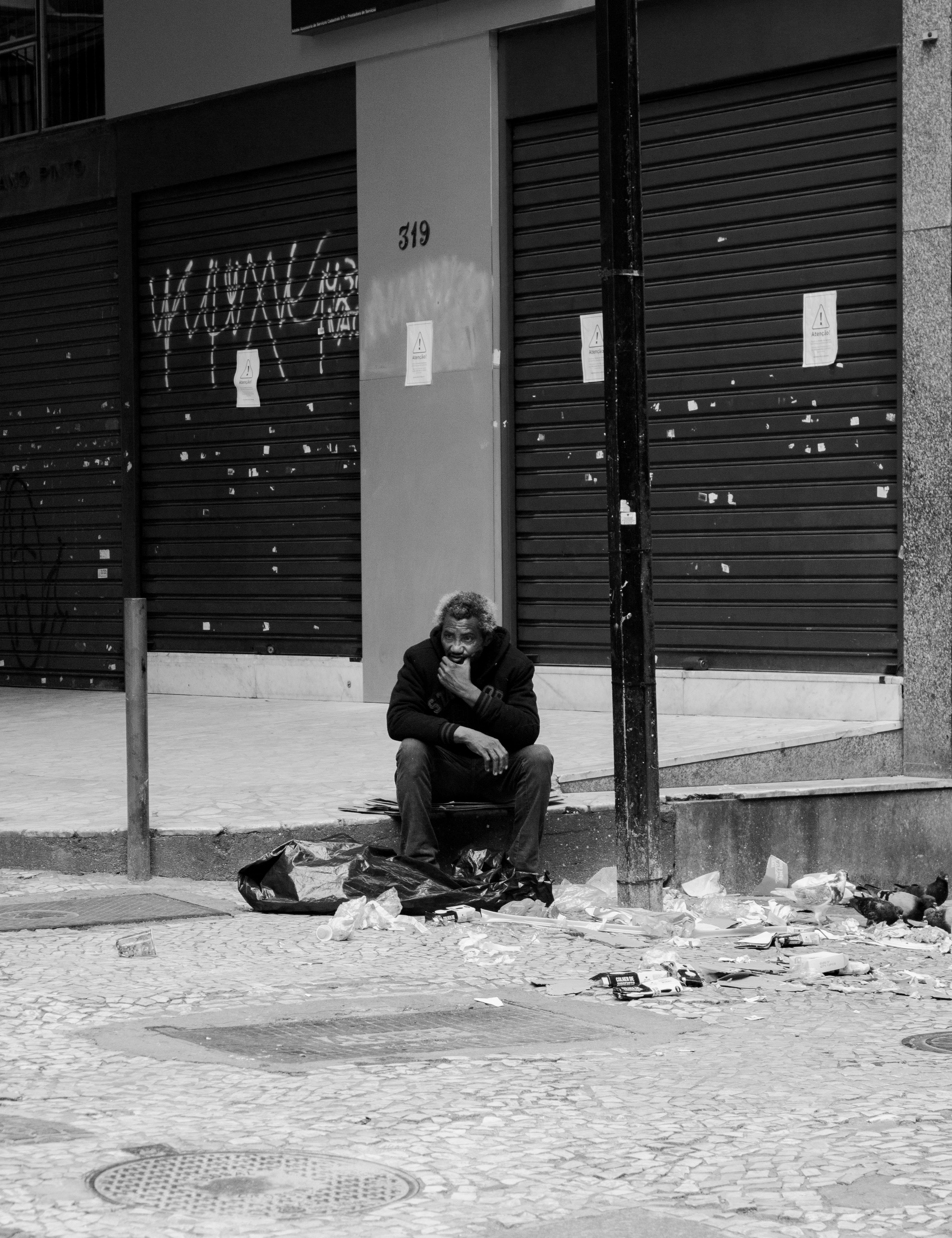
California homelessness policies face criticism over mental health care and housing rules.
Homeless encampments have become a familiar sight across California, even on days meant for rest and reflection. Tents line highways, sidewalks, and riverbeds, serving as a reminder that years of spending and planning have not solved the problem. Billions of public dollars have flowed to programs meant to help unhoused people off the streets, yet the number of people living outside remains high. This has led to growing frustration and questions about whether current policies are making life better for those who need help most.
One of the largest barriers to finding unhoused individuals shelter has been the lack of places for serious mental health treatment. Decades ago, federal rules limited funding for large mental health hospitals. The idea at the time was to move people out of institutions and into community care. Over time, that plan fell apart. Many people with severe mental illness ended up without steady treatment at all. Today, county jails often serve as the largest mental health facilities, a role they were never meant to fill. People cycle in and out of jail, receive short-term care, and are then released back onto the streets.
Federal officials have pointed out that states can apply for special permission to receive funding for larger mental health centers. This would allow treatment in facilities with more than 16 beds. California, however, has largely chosen not to pursue this path. Instead, the state favors small facilities that are not designed for long stays. When leaders say there are not enough beds, the shortage is partly the result of policies that limit how large facilities can be. Building more sites means higher costs, more red tape, and long delays.

Housing policy has also played a major role. California law follows a model that provides housing without requiring sobriety, treatment, or job training. Supporters believe stable housing should come first. Critics argue that this approach leaves many people in homes without addressing addiction or mental illness. Some federal leaders have announced plans to shift money away from permanent housing projects and toward shelters and short-term housing. The goal is to move people off the streets faster while offering more structure and support.
These proposed changes have been met with legal challenges. Court cases could take years, during which little may change for people living outside. Meanwhile, large sums continue to pass through layers of agencies, builders, and service groups. The slow pace has raised concerns that the system serves itself better than it serves the unhoused population.
State leaders continue to promote California as a model for the nation, pointing to new grants and programs announced each year. Yet many of these efforts still operate under the same rules that limit mental health care and restrict sober living options. Attempts to fund housing reserved for people in recovery have been blocked because they do not fit within current law.
The result is a system where people with serious needs are left with few real options. Streets and encampments become the default setting for those who cannot manage addiction or mental illness on their own. Critics argue that refusing to expand treatment options and blocking recovery-focused housing only prolongs suffering.
As holidays pass and seasons change, tents remain. The debate continues over money, policy, and power, while the human cost grows more visible each year. Many believe that real progress will require letting go of rigid rules and focusing on care that matches the reality of life on the streets, rather than protecting policies that have yet to show clear success.
Sources:
The California Way on homelessness is a blueprint for what not to do
California braces for ‘devastating’ federal homeless housing cuts
Join the conversation!