
Computer analysis of brain scans predicts speech development after childhood cochlear implants.
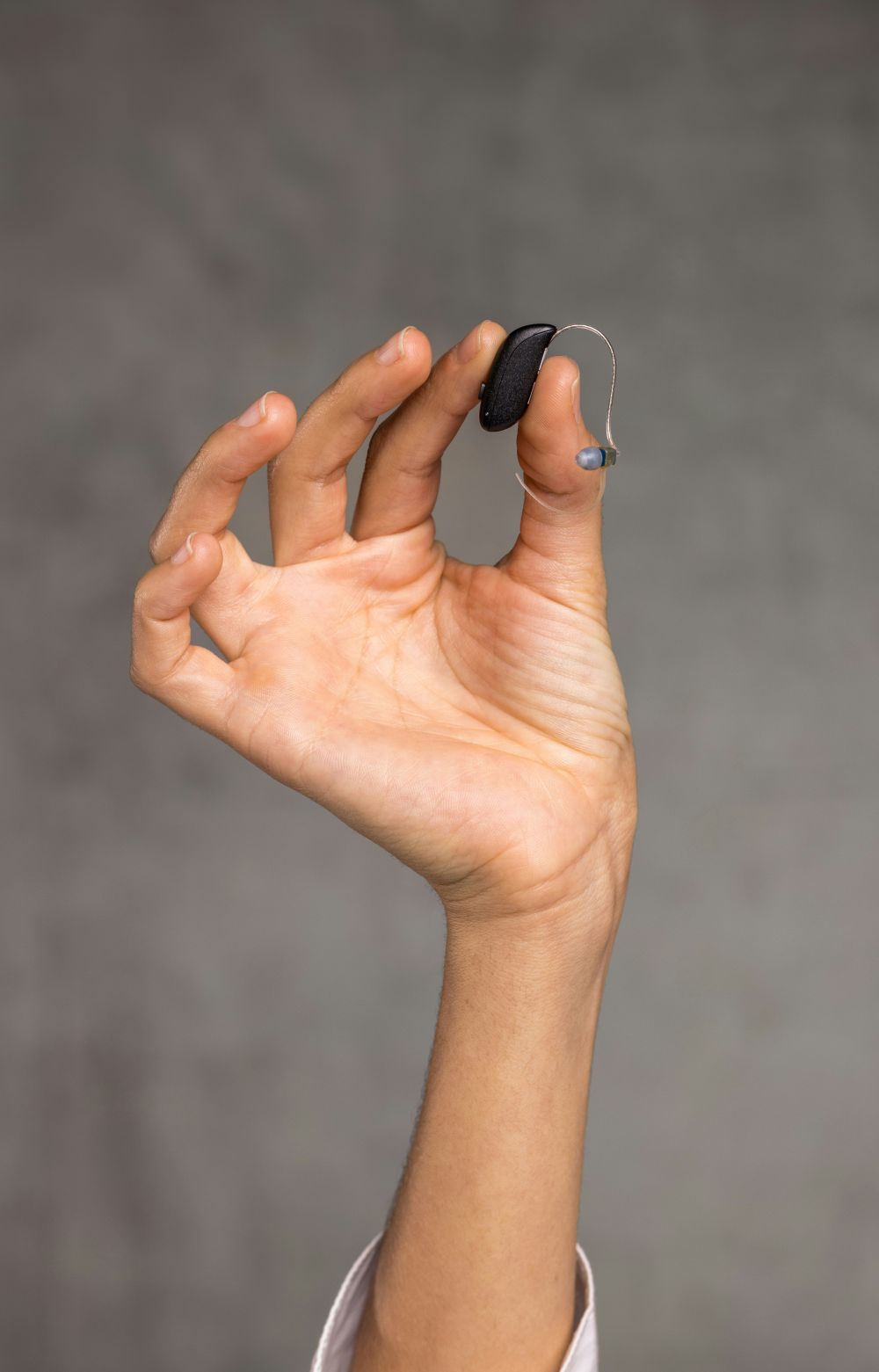
A new international study suggests that computer-based tools may help doctors better understand which children will gain strong spoken language skills after receiving cochlear implants. Cochlear implants are electronic devices placed in the inner ear to help children with severe to profound hearing loss detect sound. For many children, these devices open the door to speech and language. Still, progress after surgery can vary widely, even when implants are placed early in life. Some children develop spoken language close to typical levels, while others struggle despite therapy and family support.
The study, published in a leading medical journal focused on ear and hearing care, examined whether advanced computer models could predict language outcomes years in advance. Researchers gathered brain scan images taken before surgery from 278 children across three countries: the United States, Australia, and Hong Kong. The children spoke different languages, including English, Spanish, and Cantonese. Each medical center also used its own methods for scanning the brain and measuring language skills after implantation. This created a large and varied data set that would normally be hard to analyze using older computer methods.
Using a modern form of machine learning, the research team trained a single model to look for patterns in these brain scans. The model then predicted how well each child would develop spoken language one to three years after receiving an implant. The results were strong. The computer model reached an accuracy rate of about 92 percent, performing better than more basic prediction methods across all measures tested.
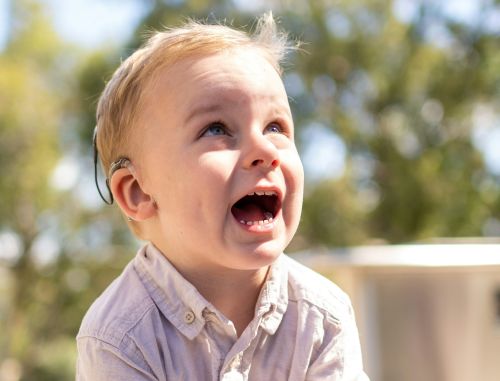
Doctors have long known that cochlear implants are the only proven way to give children with very serious hearing loss access to sound and speech. However, predicting which children will need extra help after surgery has been difficult. Language growth depends on many factors, including brain development, age at implantation, and the child’s ability to process sound. Until now, there has been no reliable way to combine these factors into a single prediction tool.
The findings suggest that brain scans taken before surgery may hold useful clues about how a child’s language skills will grow. By identifying children who may face greater challenges, care teams could adjust treatment plans earlier. This might include more frequent speech therapy, added family coaching, or closer follow up during the first years after implantation. Early support is known to make a difference during critical stages of language development.
The researchers emphasized that this approach could work across different countries and languages, which is important for global care. A single prediction model that works in many settings could help standardize care and reduce guesswork. One senior doctor involved in the study described the work as a major step forward, noting that it supports a shift toward matching therapy intensity to each child’s needs from the start.
Funding for the research came from public health and science agencies in the United States and Hong Kong. The cochlear implant program involved in the study has decades of experience and has performed thousands of implant surgeries since the early 1990s. This background added depth and clinical insight to the project.
While the technology is still being studied, the results point toward a future where doctors can better plan care before a child ever enters the operating room. For families, clearer expectations could reduce stress and help them prepare for the level of support their child may need. As computer tools continue to improve, they may become a regular part of hearing care, guiding decisions that shape a child’s ability to connect, communicate, and learn through spoken language.
Sources:
Study shows AI can predict language success after cochlear implants
Join the conversation!