
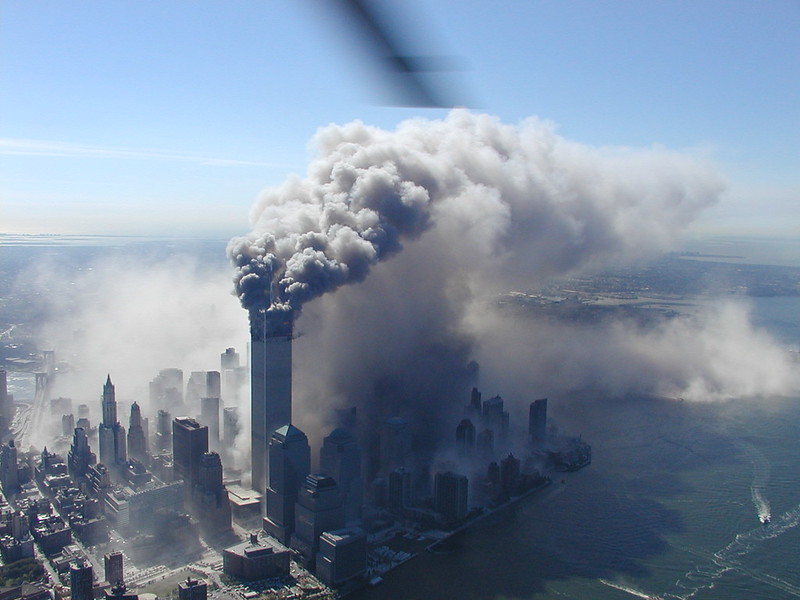
If we really mean “Never Forget,” then Congress must protect these programs — permanently. The people who ran toward danger on 9/11 shouldn’t have to beg for help decades later.
After 9/11, New Yorkers cared for one another in extraordinary ways. That spirit helped people survive those first days. But no one knew then how long the health impact would last.
It quickly became evident that recovering from 9/11 would be a long process requiring more significant support. Consequently, the US Congress enacted legislation designed to fuel long-term recovery efforts.
Almost 25 years later, we’re still learning just how serious the long-term health effects are for those who were exposed to 9/11 toxins. For example, we now know that approximately 500,000 people were exposed to toxins that have now been linked to 69 different types of cancer.
As we’ve learned more about these illnesses, Congress has had to update the laws to make sure survivors and responders get the support they were promised. Here’s where the law stands today, how it has changed lives, and why the work isn’t finished.
What is the key legislation establishing support for 9/11 victims in the US?
Five years after the 9/11 attacks, US lawmakers introduced a bill that would eventually become the James Zadroga 9/11 Health and Compensation Act of 2010. The law aimed to fund health monitoring and support for survivors of the 9/11 attacks, as well as first responders and volunteers who experienced health issues as a result of the service they provided.
The James Zadroga 9/11 Health and Compensation Act established the World Trade Center Health Program, a federal healthcare program that provides free lifetime monitoring and treatment for 9/11-related conditions experienced by those affected by the 9/11 attacks in New York, Washington, DC, and Shanksville, PA.
The James Zadroga 9/11 Health and Compensation Act also reauthorized the September 11th Victim Compensation Fund (VCF), which was created by an Act of Congress within weeks of the attacks. The fund provides compensation for economic loss, pain and suffering, and wrongful death to individuals who were present at one of the 9/11 crash sites during a specific window of time that varies based on the site. The VCF’s provisions also allow compensation for those who are deceased to be claimed by a personal representative.
The Never Forget the Heroes: James Zadroga, Ray Pfeifer, and Luis Alvarez Permanent Authorization of the September 11th Compensation Fund Act was enacted in 2016 to authorize the VCF permanently. It ensures eligible 9/11 victims and families can seek compensation through October 1, 2090.
Survivor and family eligibility, which covers spouses and dependents, and recognition of long-latency illnesses that may emerge decades after initial exposure, are two key provisions of the support provided under these legislative provisions. Presumptive eligibility for certain cancers and illnesses is another key provision that streamlines access to victim support.
What are some of the impacts of legislation supporting 9/11 victims?
The numbers matter, but what matters most are the people whose lives have been changed by this support. The impact of the legislation and the programs it empowers has been remarkable, with total payouts provided to eligible victims through the VCF totaling approximately $15 billion. But the impact can be more fully appreciated when understood in the context of the lives that have been changed by the support.
The Morris family, one of many families my firm represents who have lost a loved one to 9/11 cancer, provides an excellent example of the life-changing impact the fund has had. Beth Morris, who worked as an administrative assistant in Lower Manhattan, was exposed to toxins in the 9/11 dust cloud. After developing an unexplained fatigue and persistent cough, Beth sought medical care and was diagnosed with aggressive lung cancer.
In 2019, Beth passed away after a valiant fight, leaving behind her husband Jeff and two children. After learning the VCF could provide compensation, Jeff filed a claim and was awarded $700,000 to help with his family’s financial security. The award helped fund medical school for Jeff and Beth’s eldest daughter, who was influenced by her mother’s experience to specialize in oncology.
What 9/11 victim policies currently need to be addressed?
Even nearly 25 years later, funding threats — whether arising through administrative decisions or budget reallocations — can jeopardize access to care for people who are still getting sick today as a result of the 9/11 attacks and their aftermath. A recent example of those threats is the job cuts at the WTC Health Program, initiated by the Department of Government Efficiency (DOGE) in early 2025. The cuts resulted in a 20 percent reduction in staff at the program.
One issue needing urgent attention is the estimated $3 billion WTC Health Program shortfall threatening free healthcare for 9/11 first responders and survivors. Congress has repeatedly tried to address the funding gap, which has been highlighted by lawmakers for years, by introducing bills like the 9/11 Responder and Survivor Health Funding Correction Act.
Temporary funds have been secured, but permanent change to the original funding structure is required to cover rising costs and long-term needs if care is to be ensured through 2090.
It still takes far too long to certify 9/11 cancers. When someone is fighting for their life, every month matters. The guidance for families pursuing wrongful-death claims should be clearer. Programs aimed at expanding outreach to survivors, who remain significantly under-enrolled in the WTC Health Program, also need attention.
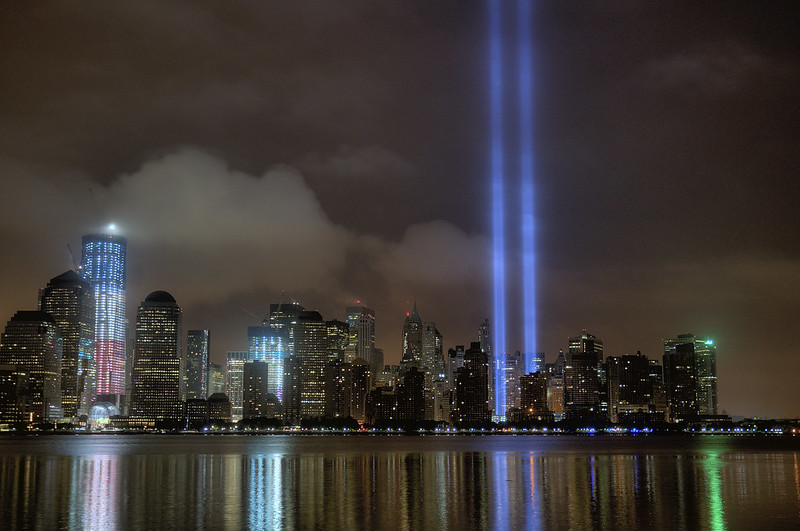
In many people’s minds, the 9/11 terrorist attacks have become a historical event, rather than a tragedy that continues to affect people every day. To keep 9/11 and its impact in the public consciousness, we must continually reinforce that 9/11 didn’t end on 9/11, and neither did its health consequences. If we really mean “Never Forget,” then Congress must protect these programs — permanently. The people who ran toward danger on 9/11 shouldn’t have to beg for help decades later.
Join the conversation!