

Jobsite safety starts with care, conversation, and the simple goal we all share: getting home safe.
Jobsite safety is not just something that belongs at work; it’s also something families can talk about at home. For many working families in the United States, construction, warehouse, road, and industrial jobs are a source of pride and stability, but they can also come with real risks. Having short, supportive conversations can make those risks feel less invisible and help everyone feel more prepared.
This article is designed as a safety toolbox talk for families. It is not about blame, fear, or interrogation. It is about care. It is about asking the right questions so the people we love can come home safe.
Why Families Need to Talk With Their Loved Ones About Job Safety
Many workers slowly get used to unsafe conditions. When danger is part of the daily routine, it can start to feel “normal.” Long hours, pressure to keep working, and fear of losing a job can make people ignore risks they would never accept for someone they love.
Families play a powerful role here. A calm conversation at home can help a worker pause and notice hazards they have learned to overlook. However, safety conversations can be mistaken for confrontation discussions or “nagging”. Make sure your tone and approach feel loving, caring, and curious, rather than interrogative or imposing.
Hearing “I just want you home safe” hits differently than a reminder from a supervisor rushing a job.
For migrant workers, especially, family support can be the difference between staying silent and speaking up when something feels wrong.
A 5-minute Weekly Habit That Can Keep Loved Ones Safe
A short weekly safety conversation at home can make dangerous jobs feel less overwhelming. It’s better if it is conducted with a caring and curious tone. Five minutes is enough to check in and stay connected.
The risks are real. In 2023, the U.S. recorded 5 283 fatal work injuries, according to the Bureau of Labor Statistics (BLS). Construction alone accounted for 1 075 worker deaths, making it one of the deadliest industries in the country. The leading causes of fatal injuries in construction are falls, slips, and trips.
These numbers are not meant to scare families. They are meant to explain why awareness matters. When families talk regularly, work becomes less of a mystery. Small conversations can lead to safer choices and quicker action when something feels off.
Job site safety checklist
This jobsite safety checklist works best when it feels natural. You do not need to ask every question every week. Pick two or three questions and rotate them over time.
Focus on “this week” instead of “everything.” That keeps the conversation grounded in what is actually happening now. If your loved one seems tired or quiet, switch to a softer question like, “What’s one thing that would make your day easier at work?”
OSHA encourages short, informal safety talks because they are more effective than long lectures. These conversations are meant to show care, not control. A simple worksite safety check-in can open the door to bigger safety awareness later.
Below are construction site safety questions and general hazard checks families can use. You do not need special training to ask them, just attention and care.
“What changed?”
Start with what is new. Changes increase risk, especially when workers are tired or rushed.
Ask questions like:
- Did anything change this week? Were you assigned a new task, location, crew, or schedule?
- Are deadlines tighter or hours longer than usual?
- Was there any “near miss” that is still on your mind?
OSHA and CDC/NIOSH warn that long hours, irregular schedules, and sudden changes increase fatigue and mistakes. Fatigue reduces reaction time and judgment, even for experienced workers.
The “Focus Four” quick scan
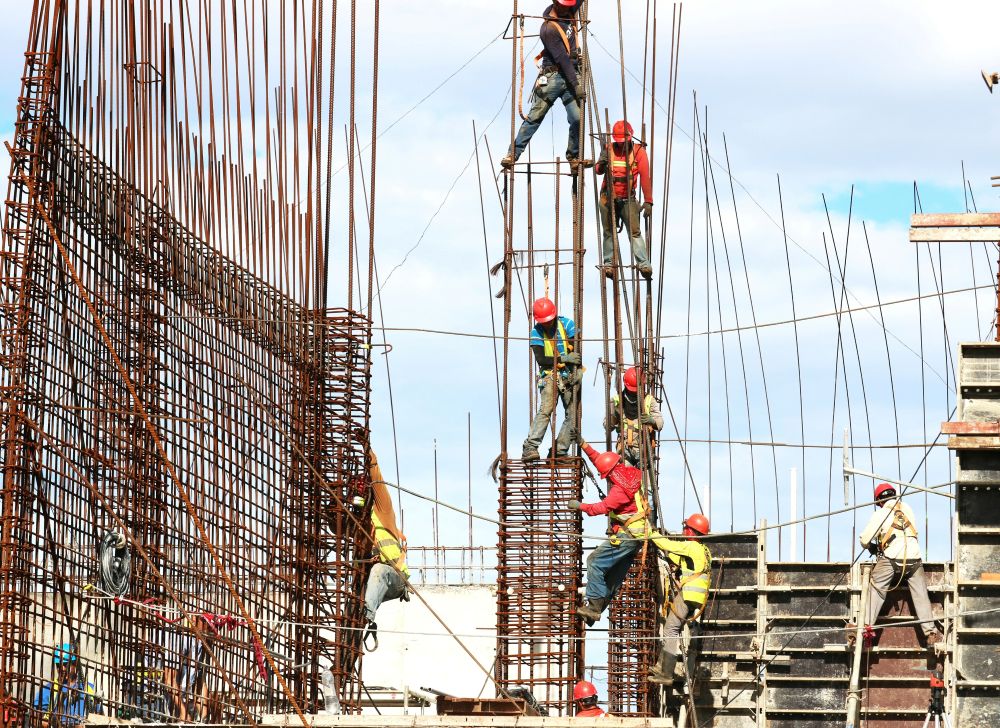
OSHA identifies four major hazards that cause a large share of construction deaths. Families can ask one simple question for each.
Falls
- Are you working on ladders, scaffolds, or roofs this week?
- What’s the plan to stay safe before going up?
- Do you use appropriate fall protection equipment?
- Are scaffolds securely installed?
- Do you think there is a risk of you or someone else falling or dropping something from a height?
Struck-by hazards
- Are there trucks, cranes, or forklifts nearby?
- Do you need to work near heavy machinery?
- Are the operators always professionals who follow safety norms?
Caught-in or between
- Do you work in any rotating equipment, demolition, or tight spaces?
- Where are the pinch points?
Electrocution
- Are there any temporary power, overhead lines, or wet areas?
- Are lockout steps being followed?
- Have you seen exposed wires?
- Are the wires properly secured and identified?
Gear, PPE, and “is it actually the right stuff?”
Personal protective equipment matters, but only if it fits and works.
In your conversation with your loved one, you can ask:
- Do you have the right gear in your size? Do you have gloves, eye protection, and hearing protection, and do you use a harness?
- Has anyone checked the gear for damage or expiration?
- Are hazards being reduced first, or is PPE the only protection?
OSHA explains that PPE and safety routines are the last line of defense, not the first. Eliminating hazards or controlling them is always safer than relying only on gear.
Moving vehicles + heavy equipment
Being hit by vehicles or equipment is one of the most dangerous jobsite risks.
When having the weekly safety conversation at home, you can ask:
- Will you be working near backing trucks or heavy machinery?
- Do you have a spotter and clear walkways?
- Are high-visibility clothes required and enforced?
OSHA notes that many struck-by incidents happen during routine tasks, not emergencies.
Digging, trenches, and excavations
Trench collapses are fast, violent, and often deadly.
Ask your loved one:
- Any trenching or excavation this week?
- Is the supervisor more concerned with safety culture at the jobsite or with rushing?
- Are trench boxes, shoring, or sloping being used?
OSHA stresses that trench collapses are preventable when proper protections are in place.
Dust, chemicals, and long-term exposures
Some dangers are invisible but cause serious harm over time.
Ask the following hazard awareness questions:
- Are you demolishing old walls, or cutting or grinding stone, concrete, or brick?
- Is dust being controlled with water or vacuums?
- Do you know what to do if a chemical splashes or spills?
OSHA warns that silica dust causes serious lung disease, and NIOSH confirms that loud noise can permanently damage hearing.
Heat and weather
At some work sites, heat can be just as dangerous as heavy equipment.
Ask:
- Do you have water, shade, and cool-down breaks?
- Are new or returning workers being eased into the heat?
- Do you know the signs of heat illness?
Heat illness is preventable with planning and breaks. OSHA is working toward stronger national heat protection.
Fatigue, rushing, and “brain fog”
Many workers don’t know that being tired increases the likelihood of an accident occurring. Tired workers get hurt more often.
Ask:
- How many hours are you working this week?
- When does the job feel riskiest, early morning or end of shift?
- What’s one thing you can do to slow down safely?
- Have you been sleeping and eating properly?
Fatigue increases mistakes, slower reactions, and injuries, according to OSHA and NIOSH.
Speaking up without risking retaliation: a simple rights script
Every worker has the right to a safe workplace, regardless of immigration status. That is why OSHA protects workers who report unsafe conditions.
A simple way to speak up can sound like:
“This feels unsafe. Who can we tell so it gets fixed?”
Workers can report hazards internally or file a complaint with OSHA. OSHA also enforces whistleblower protections if a worker is punished for raising safety concerns.
In specific situations, workers may have the right to refuse dangerous work.
If something happens, calm, practical next steps families can follow
If an injury happens, staying calm helps families protect their loved ones.
- First, get medical care right away. Health always comes first.
- Second, report the injury to a supervisor as soon as possible.
- Third, write down basic facts: what happened, where, when, and who was there.
If it is safe, take photos and keep the paperwork. - Fourth, call a successful and trustworthy work injury lawyer.
A lawyer can explain rights, handle paperwork, deal with insurance issues, and protect workers from unfair treatment.
Work injury lawyers can help you calculate and demand the highest possible compensation through the workers’ compensation insurance system, and explore the possibility of filing a claim against responsible third parties or negligent employers.
This does not mean rushing into a lawsuit; it means getting guidance and exploring every possibility.
Keep your family safe
When it comes to your family’s jobsite safety, you do not need to ask every question every week to make a difference. Three questions a week are better than none. Jobsite safety starts with care, conversation, and the simple goal we all share: getting home safe.
Join the conversation!