

Families affected by birth injuries face not only immediate medical challenges but also long-term emotional and financial burdens.
Birth injuries can have life-altering consequences for newborns and their families. While childbirth is often viewed as a natural and safe process, medical errors during labor and delivery can result in severe injuries, including cerebral palsy, brachial plexus injuries, fractures, and hypoxic-ischemic encephalopathy (HIE). In Chicago, families affected by these injuries face not only emotional and physical challenges but also complex legal hurdles when seeking accountability and compensation from medical providers. Understanding how to hold healthcare professionals responsible is critical for ensuring justice and securing financial support for long-term care.
Understanding Birth Injuries and Their Causes
Common Types of Birth Injuries
Birth injuries can arise from a variety of circumstances during pregnancy, labor, or delivery. Some of the most common include:
- Cerebral Palsy: Often caused by oxygen deprivation during birth, cerebral palsy affects muscle tone, movement, and motor skills.
- Brachial Plexus Injuries: Damage to the network of nerves controlling the arm and hand, frequently resulting from excessive force during delivery, such as the use of forceps or vacuum extractors.
- Fractures: Bone fractures, particularly of the clavicle, can occur during complicated deliveries.
- Hypoxic-Ischemic Encephalopathy (HIE): Oxygen deprivation to the brain can cause permanent neurological damage.
- Facial Injuries and Nerve Damage: Trauma during birth can lead to temporary or permanent facial paralysis or other nerve injuries.
These injuries often stem from preventable mistakes, making accountability a vital aspect of healthcare.
Causes of Birth Injuries
Medical errors leading to birth injuries can occur due to negligence, lack of proper monitoring, or mismanagement of high-risk deliveries. Common causes include:
- Failure to Monitor Fetal Distress: Inadequate use of electronic fetal monitoring can result in missed signs of oxygen deprivation.
- Improper Use of Delivery Instruments: Forceps or vacuum extractors, if used incorrectly, can cause nerve damage or fractures.
- Medication Errors: Incorrect administration of drugs during labor can harm both the mother and the baby.
- Delayed C-Sections: Failing to perform a timely cesarean section in cases of fetal distress can lead to serious complications.
- Lack of Skilled Staff: Insufficient training or experience among medical personnel can increase the risk of preventable injuries.
Understanding the cause of the injury is critical in establishing medical malpractice and holding providers accountable.
Legal Grounds for Holding Providers Accountable
Medical Malpractice in Birth Injury Cases
In Chicago, birth injury claims are generally pursued under the framework of medical malpractice law. Medical malpractice occurs when a healthcare professional deviates from the standard of care, resulting in harm. To succeed in a birth injury lawsuit, families must prove:
- Duty of Care: The healthcare provider had a responsibility to follow accepted medical practices.
- Breach of Duty: The provider failed to meet these standards, whether through action or inaction.
- Causation: The breach directly caused the birth injury.
- Damages: The injury resulted in significant physical, emotional, or financial harm.
Proving these elements often requires expert testimony and extensive medical documentation.
Establishing Negligence
Negligence is central to most birth injury claims. Families need to demonstrate that the healthcare provider’s actions fell below the accepted standard of care. Examples of negligence in a Chicago hospital may include:
- Misreading fetal heart rate monitors.
- Administering the wrong dosage of medication.
- Failing to recognize signs of complications such as preeclampsia or shoulder dystocia.
Establishing negligence not only helps secure compensation but also promotes accountability within the healthcare system.
Steps to Take After a Birth Injury
Immediate Medical Documentation
After a birth injury, prompt action is crucial. Families should ensure all medical records, including delivery notes, prenatal records, and postnatal care reports, are preserved. Documentation of the injury’s impact on the child’s development and ongoing treatment is essential for both legal and medical purposes.
Consulting Experienced Attorneys
Hiring experienced legal counsel is often the most effective way to navigate the complexities of a birth injury case. Chicago families should seek skilled lawyers handling Chicago birth injury claims who have experience in medical malpractice and pediatric injury cases. These attorneys can guide families through the legal process, gather evidence, consult medical experts, and negotiate fair settlements or pursue litigation if necessary.
Understanding Compensation Options
Families affected by birth injuries may be entitled to various forms of compensation, including:
- Medical Expenses: Costs for initial treatment, ongoing therapy, surgeries, and medications.
- Long-Term Care: Support for lifelong care, including nursing, therapy, and special education services.
- Pain and Suffering: Compensation for emotional distress experienced by both the child and the family.
- Loss of Earning Capacity: If the injury limits the child’s future ability to work or become independent.
The total value of a birth injury case often depends on the severity of the injury and the anticipated long-term care costs.
Legal Resources for Birth Injury Claims
Families seeking accountability in Chicago can utilize several reputable legal resources:
- U.S. News Lawyers Directory: Provides access to highly rated birth injury lawyers who specialize in medical malpractice cases.
- Justia Legal Resources: Offers comprehensive guidance on medical malpractice law, including case types, statutes of limitations, and procedural requirements.
These platforms help families identify qualified attorneys and understand their legal rights.
Challenges in Birth Injury Litigation
Statute of Limitations
Illinois law imposes strict deadlines on filing medical malpractice claims. In most birth injury cases, the statute of limitations is two years from the date the injury was discovered, but not more than four years from the date of the injury. Missing these deadlines can prevent families from pursuing justice.
Proving Causation
Establishing a direct link between a provider’s negligence and the birth injury can be challenging. Many cases require detailed expert testimony from obstetricians, pediatricians, and other medical specialists to demonstrate that the injury could have been prevented with proper care.
Insurance and Hospital Defenses
Hospitals and insurance companies often deploy robust defenses to minimize liability. Common strategies include questioning the standard of care, attributing the injury to unavoidable complications, or claiming that the child had pre-existing conditions.
Emotional and Financial Burdens
The legal process can be lengthy and emotionally taxing, especially when families are already managing the medical needs of an injured child. Balancing legal action with caregiving responsibilities requires support, careful planning, and access to experienced legal counsel.
Preventive Measures and Accountability in Chicago Hospitals
Improved Training and Protocols
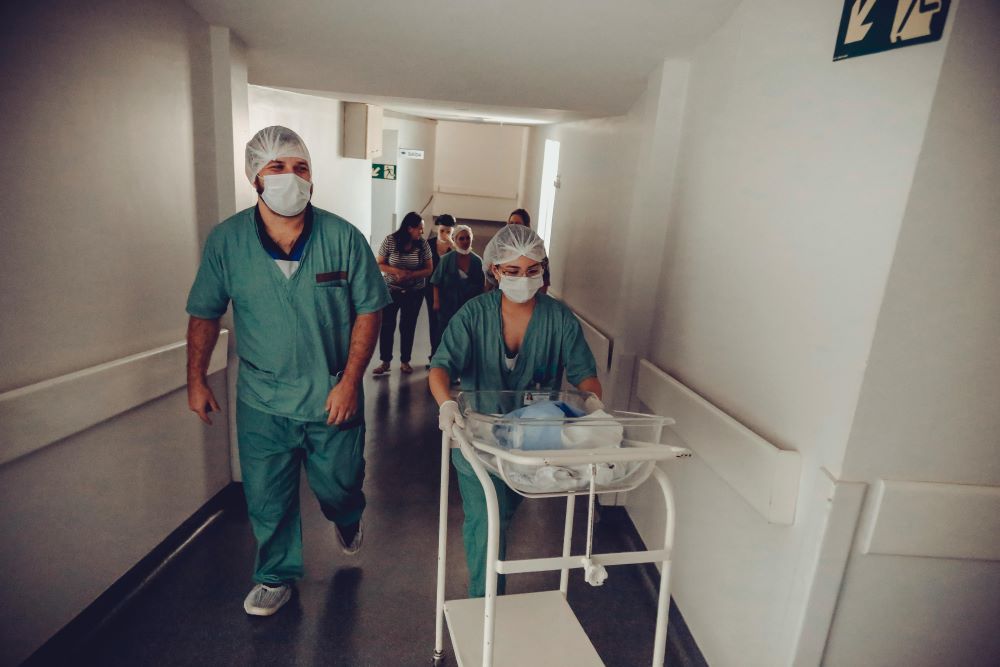
Hospitals in Chicago can reduce the risk of birth injuries by implementing comprehensive training programs for obstetric staff and ensuring adherence to evidence-based delivery protocols. Regular skills assessments and continuing education can improve patient outcomes.
Risk Management and Reporting Systems
Effective risk management systems allow hospitals to track, report, and analyze birth injuries. Transparent reporting mechanisms help identify patterns of errors and implement corrective actions, which not only prevent future injuries but also reinforce accountability.
Advocating for Policy Change
Families and legal advocates can influence healthcare policy to improve birth outcomes. Campaigns for mandatory reporting of birth injuries, better staffing ratios, and enhanced prenatal care programs contribute to safer delivery environments.
The Role of Legal Advocacy in Systemic Change
Legal action in birth injury cases serves a dual purpose: securing compensation for affected families and promoting systemic change. When hospitals and providers are held accountable, they are more likely to adopt practices that prevent future injuries. This ripple effect benefits the broader community by improving standards of care.
Birth injury litigation also raises public awareness about potential risks and the importance of monitoring medical procedures. By supporting families through legal advocacy, attorneys not only help individual clients but also encourage safer healthcare practices across the industry.
Conclusion
Holding medical providers accountable for birth injuries in Chicago is a multifaceted process that requires understanding medical malpractice law, collecting comprehensive documentation, and engaging experienced legal professionals. Families affected by birth injuries face not only immediate medical challenges but also long-term emotional and financial burdens. By pursuing legal action, they can secure the compensation necessary for lifelong care while also promoting accountability within the healthcare system.
Join the conversation!