
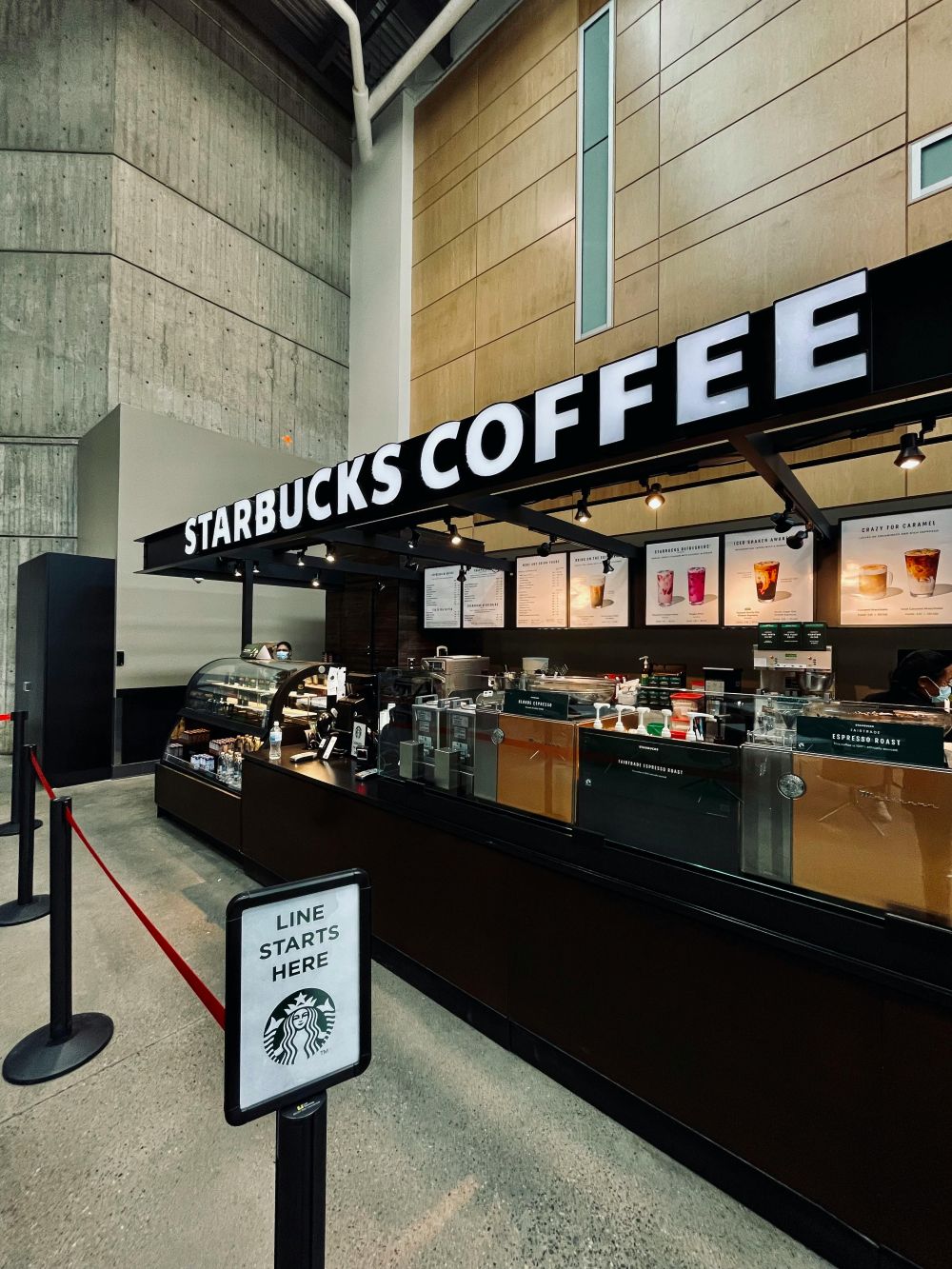
Judge rules Missouri failed to show harm from Starbucks diversity policies.
A federal judge has dismissed a lawsuit brought by Missouri against Starbucks, finding that the state failed to show that anyone was actually harmed by the company’s diversity, equity, and inclusion policies. In the ruling, Judge Ross wrote that the court could not reasonably assume damage had occurred simply because such policies existed. The judge stated that the lawsuit relied too heavily on speculation and did not clearly explain how the policies were carried out or how they caused real injury to workers or job applicants.
The case centered on changes Starbucks announced in October 2020, when the coffee chain joined many large companies in responding to nationwide protests that followed the killing of George Floyd by a Minneapolis police officer. At that time, Starbucks said it planned to promote racial and social fairness throughout its business. These efforts included goals related to hiring, leadership development, and internal training, which were framed as part of a broader corporate response to public concern over inequality.
The lawsuit was originally filed by Andrew Bailey, who was Missouri’s attorney general at the time. Bailey argued that Starbucks’ policies gave unfair benefits to certain groups of people based on traits such as race, gender, or sexual orientation. According to the lawsuit, this approach harmed other workers and applicants by placing them at a disadvantage during hiring, pay decisions, and opportunities for advancement. Bailey later left the attorney general’s office and now serves as a co-deputy director at the Federal Bureau of Investigation under the Trump administration. He has since been replaced by Catherine Hanaway.

Missouri claimed that Starbucks violated both Title VII of the Civil Rights Act of 1964 and the Missouri Human Rights Act. The state argued that the company’s policies favored what it described as “non-white, non-male, and other preferred minority” employees and applicants. The lawsuit suggested that this preference was unlawful and resulted in unequal treatment within the workforce.
One of the main points raised by the state involved executive pay. The lawsuit alleged that Starbucks tied bonuses and other pay increases for top leaders to the hiring and retention of employees based on race or gender. It also claimed that some workers received more access to training programs, promotions, and career growth opportunities because of certain personal characteristics, while others were passed over.
The Missouri lawsuit sought broad remedies. The state asked the court to order Starbucks to reverse any discipline taken against workers who were allegedly treated unfairly. It also aimed to force the company to rehire individuals who, according to the state, lost jobs or opportunities because of the policies in question. However, the judge found that the state did not clearly show how specific people were harmed or provide solid proof of damages.
In dismissing the case, Judge Ross described the allegations as vague. The ruling noted that the lawsuit failed to connect the existence of the policies with concrete outcomes affecting real individuals. Without clear examples or evidence, the court concluded that the claims could not move forward.
After the dismissal, the Missouri attorney general’s office released a statement saying it disagreed with the ruling and would continue to pursue similar cases. The office said it plans to keep challenging what it views as race- and sex-based hiring practices that violate state law. The statement made clear that Missouri intends to remain active in this area, even after this setback.
Starbucks did not immediately respond to requests for comment following the decision. The company has previously said that its workplace policies are meant to create fair opportunities and reflect its stated values, but no new public statement was issued in response to the dismissal.
The ruling comes at a time when the Trump administration has increased pressure on institutions to scale back diversity programs. Federal officials have focused on colleges, government offices, and private companies, arguing that some diversity efforts cross legal lines. Against that backdrop, the Starbucks case highlights the growing legal battles over how far companies can go in shaping workplace policies tied to race and gender, and what kind of proof is required to challenge those policies in court.
Sources:
Federal judge rejects Missouri’s challenge to Starbucks’ DEI policies
Starbucks wins dismissal of Missouri lawsuit over DEI policies
Join the conversation!