

The complexity of federal trucking regulations means that accident victims benefit significantly from legal representation familiar with this specialized area.
The commercial trucking industry operates under one of the most comprehensive regulatory frameworks in the United States. When accidents involving large trucks occur, understanding these federal regulations becomes crucial for determining liability and pursuing compensation. These rules govern everything from driver qualifications to vehicle maintenance, creating a complex legal landscape that significantly impacts injury claims and litigation outcomes.
The Federal Motor Carrier Safety Administration’s Role
The Federal Motor Carrier Safety Administration (FMCSA) serves as the primary regulatory body overseeing the trucking industry. This agency develops and enforces safety regulations designed to prevent accidents involving commercial motor vehicles. The FMCSA establishes standards that trucking companies, drivers, and vehicle manufacturers must follow, creating a baseline for safety across interstate commerce.
These regulations address critical safety concerns that have emerged from decades of accident data and research. When trucking companies or drivers violate these rules, they may face penalties ranging from fines to operational shutdowns. More importantly for accident victims, violations often establish negligence per se in civil litigation, meaning that breaking these regulations can serve as automatic proof of negligence in court.
Hours of Service Regulations and Driver Fatigue
Among the most significant federal rules are the hours of service (HOS) regulations, which limit how long truck drivers can operate their vehicles without rest. These regulations recognize that driver fatigue represents one of the leading causes of commercial vehicle accidents. Current rules generally limit drivers to 11 hours of driving time following 10 consecutive hours off duty, with a maximum 14-hour workday.
Trucking companies must maintain detailed logs documenting driver hours, traditionally kept in paper logbooks but increasingly recorded through electronic logging devices (ELDs). When accidents occur, a truck accident lawyer from J&Y Law will examine these records to determine whether fatigue played a role in the collision. Violations of HOS regulations can significantly strengthen an injury claim by demonstrating that the trucking company prioritized profits over safety.
Electronic Logging Device Requirements
The ELD mandate, which took full effect in recent years, requires most commercial drivers to use electronic devices that automatically record driving time. This technology has reduced the ability of drivers and companies to falsify logbooks, though compliance issues still occur. In accident cases, ELD data provides objective evidence about driver activities leading up to a crash, making this information invaluable during litigation.
Vehicle Maintenance and Inspection Standards
Federal regulations establish rigorous maintenance and inspection requirements for commercial trucks. These rules mandate pre-trip and post-trip inspections, periodic comprehensive examinations, and detailed record-keeping of all maintenance activities. Brake systems, tires, lights, coupling devices, and cargo securement must meet specific standards.
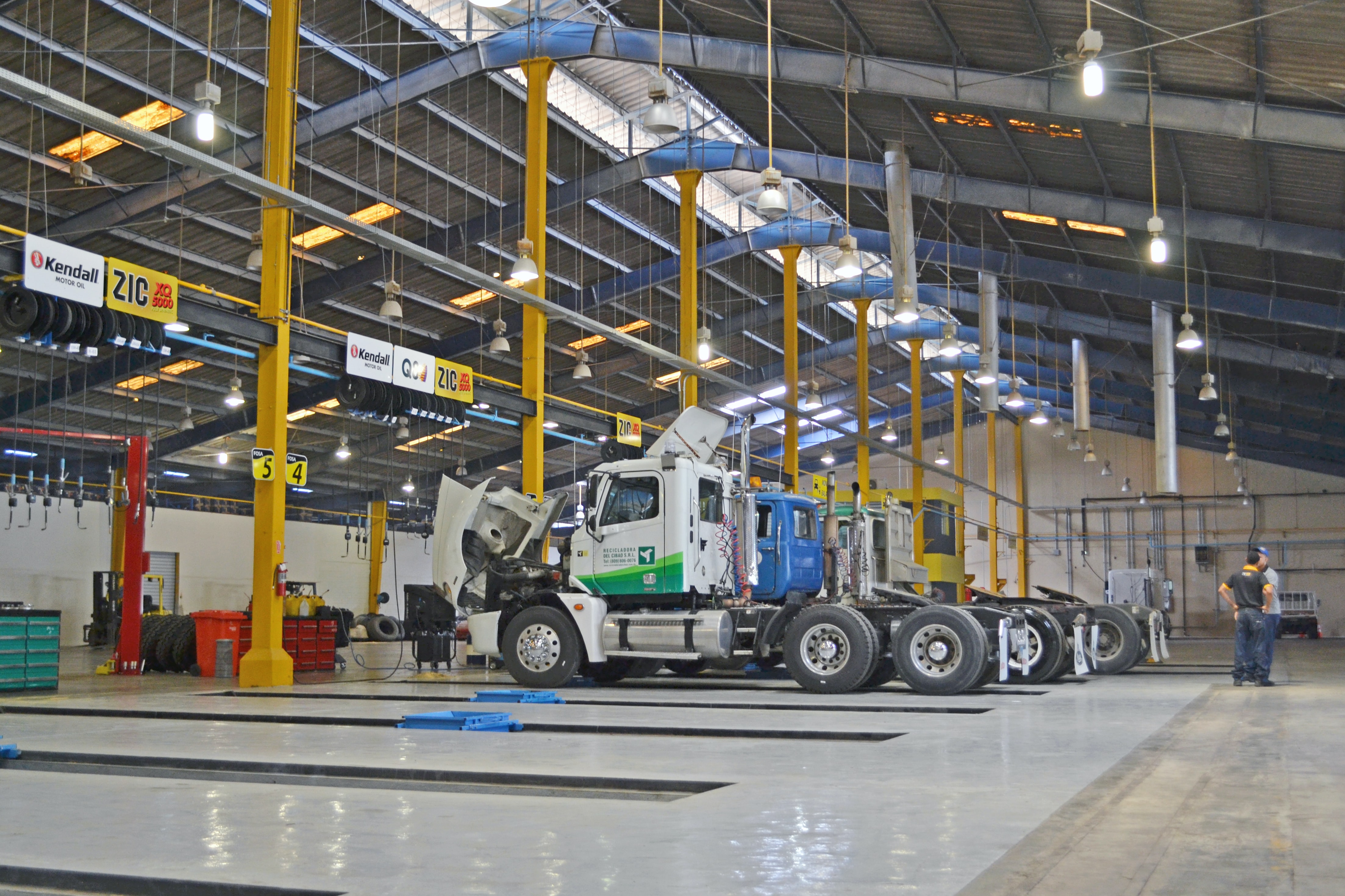
When mechanical failures contribute to accidents, maintenance records become critical evidence. Trucking companies that neglect required maintenance may face liability for injuries resulting from equipment failures. Investigators will review maintenance logs, repair invoices, and inspection reports to determine whether the company fulfilled its regulatory obligations.
Annual Inspection Requirements
Commercial vehicles must undergo thorough annual inspections conducted by qualified inspectors. These examinations assess all safety-critical components and must be documented with detailed reports. Companies must maintain these inspection records and make them available during investigations. Failure to perform required annual inspections or operating vehicles that fail inspection can establish clear regulatory violations supporting injury claims.
Driver Qualification Standards
The FMCSA establishes minimum qualifications for commercial truck drivers, including age requirements, medical certification, proper licensing, and training standards. Drivers must possess a valid commercial driver’s license (CDL) appropriate for the vehicle they operate and must pass regular medical examinations to ensure they can safely perform their duties.
Background checks and driving record reviews are mandatory before hiring. Companies must maintain qualification files for each driver containing licenses, medical certificates, road test results, and annual driving record reviews. When accidents occur, examining these qualification files can reveal whether companies hired or retained unqualified drivers.
Medical Certification and Fitness for Duty
Commercial drivers must obtain medical certification from approved healthcare providers, demonstrating they meet physical, mental, and emotional fitness standards. Conditions like uncontrolled diabetes, certain cardiovascular diseases, vision impairments, or sleep apnea can disqualify drivers or require treatment and monitoring. Companies that allow medically unqualified drivers to operate vehicles may face liability when accidents occur.
Cargo Securement Regulations
Improperly secured cargo poses serious dangers on highways, potentially shifting during transport and causing loss of control or creating road hazards. Federal regulations specify how different types of cargo must be secured, including the number and strength of tie-downs required based on cargo weight and characteristics.
When cargo-related issues contribute to accidents—whether through shifting loads, falling debris, or overweight vehicles—these regulations provide the framework for establishing liability. Legal professionals experienced in trucking litigation understand how to investigate cargo securement violations and connect them to accident causation.
Drug and Alcohol Testing Programs
Federal law requires comprehensive drug and alcohol testing programs for commercial drivers. These programs include pre-employment testing, random testing, post-accident testing, reasonable suspicion testing, and return-to-duty testing. The regulations specify which substances are tested, collection procedures, and consequences for positive results.
After serious accidents, mandatory drug and alcohol testing can provide crucial evidence about driver impairment. Companies must maintain testing records and follow specific protocols, and failures in these programs can expose them to additional liability beyond the accident itself.
Impact on Personal Injury Cases
Understanding these federal regulations proves essential when pursuing compensation after trucking accidents. Regulatory violations provide concrete evidence of negligence, often shifting the legal burden and strengthening settlement negotiations. Insurance companies recognize that clear regulatory breaches significantly increase their exposure in litigation.
Experienced attorneys know how to obtain and analyze the various records these regulations require companies to maintain. From driver logs and maintenance records to qualification files and inspection reports, this documentation creates a comprehensive picture of compliance—or lack thereof—that can determine case outcomes.
Conclusion
The complexity of federal trucking regulations means that accident victims benefit significantly from legal representation familiar with this specialized area. These cases require understanding not just general personal injury law but also the specific regulatory framework governing commercial transportation, making knowledge of FMCSA rules invaluable in achieving just compensation for those injured in trucking accidents.
Join the conversation!