
Sockov’s filing also cited a Goldman Sachs report that found that American consumers, rather than companies, were “shouldering two-thirds of President Trump’s new tariff costs.” “The truly injured parties possess no direct avenue for redress,” the lawsuit says.
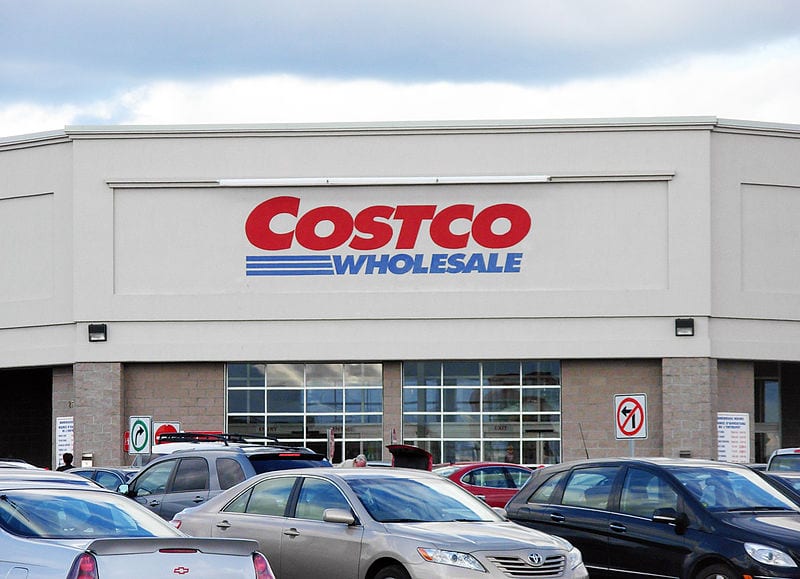
A Costco customer has filed a proposed class-action lawsuit against the retailer, demanding that it use any potential tariff refunds it receives from the Trump administration to reimburse consumers for increased costs.
According to the BBC, the lawsuit was filed on behalf of lead plaintiff Matthew Sockov.
In the lawsuit, Sockov claims that Costco has the means to potentially recover it is tariff costs twice over, “from customers through elevated pricing and from the government.” This, Sockov claims, is tantamount to “unjust enrichment.”
He has asked the court to order Costco to refund passed-down tariff costs to consumers.
“This lawsuit seeks to prevent Costco, the third-largest retailer in the world, from double recovery,” the lawsuit alleges. “Costco has made no commitment to return any portion of anticipated tariff refunds to the consumers who bore those costs.”
The lawsuit notes that, as of its filing, Costco has only made vague promises concerning “a possible future benefit to an indeterminate group of future shoppers.”
Sockov’s filing also cited a Goldman Sachs report that found that American consumers, rather than companies, were “shouldering two-thirds of President Trump’s new tariff costs.”
“The truly injured parties possess no direct avenue for redress,” the lawsuit says.
Although a recent court ruling could compel the Trump administration to refund unlawfully-levied tariffs, only the companies that paid higher taxes on imported goods would be entitled to receive their money back—not shoppers or consumers, to whom such increases are almost always passed down.
The BBC notes that Costco’s chief executive, Ron Vachris, said it is presently unclear “what refunds, if any, will be received.” Vachris also said that the company did not pass on “the full cost” of duties to consumers.
“As we have done in the past, when legal challenges have recovered charges passed on in some form to our members, our commitment will be to find the best way to return this value to our members through lower prices and better values,” he said.
“We will be transparent in how we plan to do this if and when we receive any refunds.”
Other companies are facing similar claims. FedEx, for instance, has filed a lawsuit in the Court of International Trade to recover tariff-related expenses—it is also being sued by shippers who paid higher prices due to Trump’s taxes.
Before the proposed class-action lawsuit against FedEx was filed, the company indicated that it would likely attempt to refund shippers who incurred higher-than-normal expenses as a result.
“If refunds are issued to FedEx, we will issue refunds to the shippers and consumers who originally bore those charges,” the company said in a statement. “When that will happen and the exact process for requesting and issuing refunds will depend in part on future guidance from the government and the court.”
Join the conversation!