
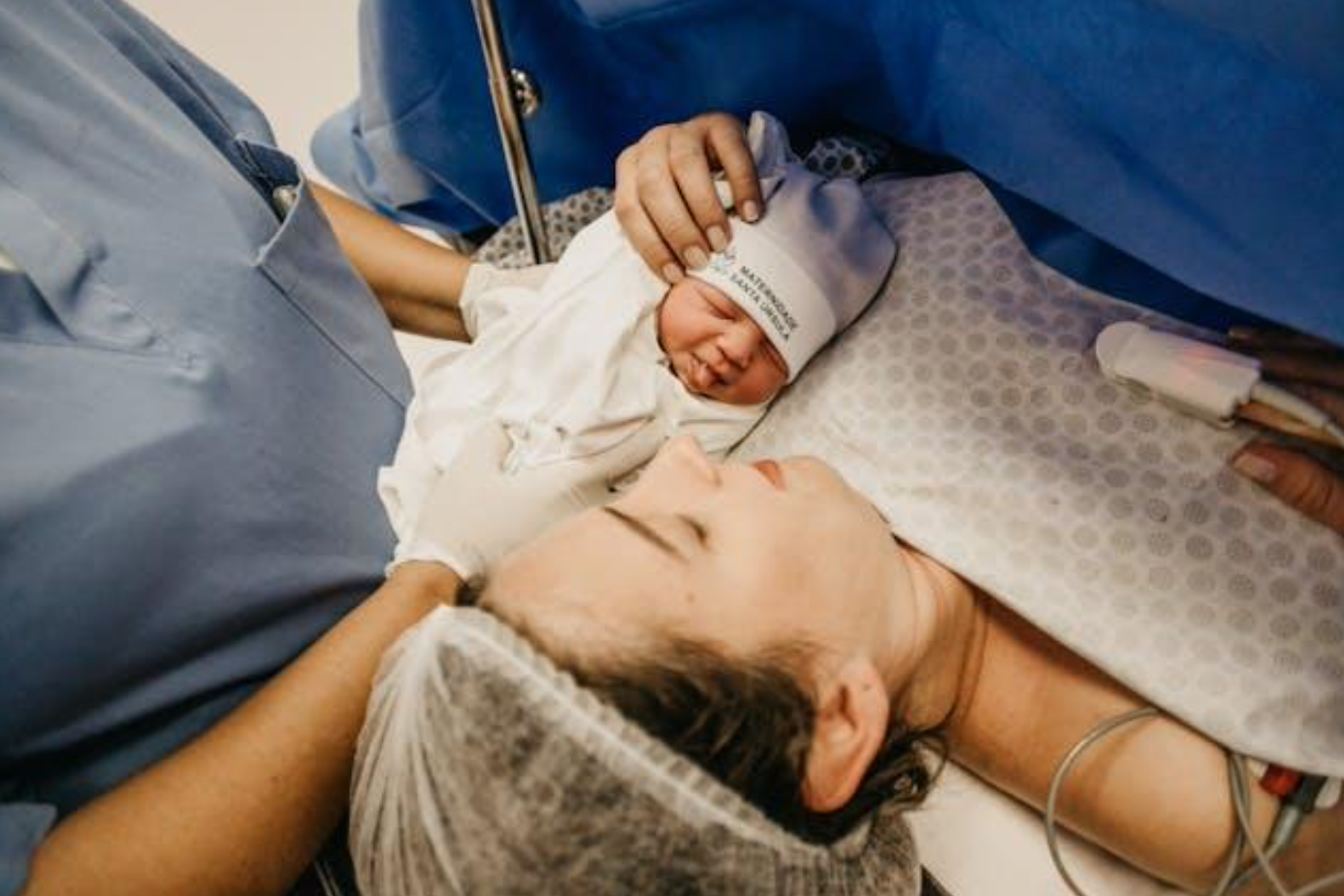
Birth injuries devastate families, but pursuing legal accountability serves multiple crucial purposes.
The birth of a child should be one of life’s most joyful experiences, filled with hope and celebration. However, when medical negligence during pregnancy, labor, or delivery causes preventable birth injuries, families face devastating consequences that alter their lives forever. Birth injuries range from temporary conditions requiring short-term treatment to catastrophic, permanent disabilities that demand lifetime care, specialized equipment, therapy, and round-the-clock assistance. Parents who expected to bring home healthy babies instead find themselves navigating complex medical systems, facing overwhelming expenses, grieving the loss of their child’s normal development, and struggling to understand what went wrong and who bears responsibility. These families deserve answers, accountability, and the resources necessary to provide their children with the best possible care and quality of life. Advocating for families affected by birth injuries requires understanding the medical complexities of obstetric care, recognizing the difference between unavoidable complications and preventable negligence, navigating intricate legal processes, and fighting against powerful medical institutions and insurance companies that routinely deny responsibility for even the most egregious errors.
Understanding Birth Injuries and Their Causes
Birth injuries occur when infants suffer harm during pregnancy, labor, or delivery. While some result from unavoidable complications, many are preventable and stem directly from medical negligence.
Common Types of Birth Injuries
Birth injuries encompass various conditions affecting different body systems. Cerebral palsy, a group of disorders affecting movement and muscle tone, often results from oxygen deprivation during birth. Erb’s palsy involves nerve damage to the brachial plexus (the network of nerves controlling arm and hand movement), typically from excessive force during difficult deliveries. Hypoxic-ischemic encephalopathy (HIE) occurs when infants’ brains don’t receive adequate oxygen and blood flow, causing permanent brain damage.
Other common birth injuries include bone fractures (particularly clavicle and skull fractures) from excessive force or improper use of delivery instruments, facial nerve injuries causing facial paralysis from pressure during delivery, intracranial hemorrhages (bleeding in the brain) from traumatic deliveries or oxygen deprivation, and perinatal asphyxia from various causes of oxygen deprivation during the birthing process.
Each type of injury presents unique challenges for affected children and their families, requiring specialized medical care, therapies, and often lifelong support.
Distinguishing Medical Negligence from Unavoidable Complications
Not every birth injury constitutes medical malpractice. Childbirth carries inherent risks, and complications can occur despite proper care. However, when healthcare providers fail to meet accepted standards of care and preventable injuries result, they can be held legally accountable.
Medical negligence in birth injury cases often involves failure to properly monitor fetal heart rates during labor, delayed response to signs of fetal distress, improper use of delivery instruments like forceps or vacuum extractors, failure to perform timely cesarean sections when medically necessary, medication errors including improper use of labor-inducing drugs, failure to diagnose and treat maternal infections that can harm babies, mismanagement of umbilical cord complications, and failure to recognize and respond to shoulder dystocia (when babies’ shoulders become stuck during delivery).
Proving that injuries resulted from negligence rather than unavoidable complications requires thorough investigation, comprehensive medical record review, and expert testimony from specialists in obstetrics, pediatrics, and neurology.
The Devastating Impact on Families
Birth injuries create profound, lifelong consequences that extend far beyond medical concerns to affect every aspect of family life.
Immediate Medical Challenges
Infants with birth injuries often require immediate intensive care including extended NICU stays, emergency surgeries and procedures, specialized monitoring and life support, and comprehensive diagnostic testing to determine injury extent.
Parents face the trauma of seeing their newborns in medical crises, struggling to understand complex medical terminology and prognoses while making critical decisions about treatment options. The emotional toll of this experience is immeasurable.
Long-Term Care Requirements
Many birth injuries result in permanent disabilities requiring lifetime care. Children may need ongoing physical therapy to improve mobility and strength, occupational therapy to develop daily living skills, speech therapy to address communication difficulties, medications to manage seizures, spasticity, or other conditions, specialized equipment including wheelchairs, braces, and adaptive devices, home modifications to accommodate mobility limitations, and specialized educational services and support.
As children grow, care needs evolve, often becoming more complex and expensive. Families must navigate complicated medical and educational systems while advocating for their children’s needs at every stage of development.
Financial Burdens
The financial impact of birth injuries can be catastrophic. Medical expenses for children with severe birth injuries often reach millions of dollars over their lifetimes. Initial hospitalization and treatment costs, ongoing therapy and medical care, specialized equipment and assistive devices, home and vehicle modifications, and specialized education and support services create overwhelming financial pressures.
Many families find that one parent must leave employment to provide full-time care, further straining finances. Without adequate compensation from responsible parties, families struggle to provide necessary care while maintaining basic financial stability.
Emotional and Psychological Impact
Beyond financial and medical challenges, birth injuries inflict profound emotional suffering. Parents experience grief over the loss of expected normal development, guilt (often unwarranted) about what they might have done differently, stress from constant caregiving demands and medical appointments, anxiety about their children’s futures and long-term prognoses, and strain on marriages and family relationships.
Siblings may feel neglected as parents devote extensive time and attention to injured children’s needs. The entire family dynamic shifts to accommodate the realities of caring for children with disabilities.
Building Strong Birth Injury Cases
Pursuing legal claims for birth injuries requires comprehensive investigation and compelling evidence of medical negligence.
Obtaining and Reviewing Medical Records
Complete medical records form the foundation of birth injury cases. These records include prenatal care documentation, labor and delivery records, fetal monitoring strips, operative reports if cesarean sections were performed, NICU records, and all diagnostic test results and imaging studies.
Experienced attorneys know how to obtain complete records and identify missing documentation that hospitals may be reluctant to provide. Careful review of these records often reveals critical evidence of negligence, including ignored warning signs, delayed interventions, improper techniques, or inadequate responses to complications.
Securing Expert Witness Testimony
Birth injury cases require testimony from multiple medical experts including obstetricians who can address whether prenatal care and delivery management met standards of care, neonatologists who can explain injuries’ causes and long-term implications, neurologists who can testify about brain injuries and developmental impacts, and life care planners who can calculate lifetime care costs.
Finding qualified experts willing to testify against medical colleagues can be challenging. A birth injury lawyer at Shore Law has established relationships with credible experts who provide objective, scientifically sound opinions supporting families’ claims.
Establishing Causation
Proving that medical negligence caused birth injuries requires clear medical evidence linking healthcare providers’ actions or inactions to specific harms. This can be particularly challenging when dealing with complex medical conditions that may have multiple potential causes.
Expert testimony must establish that, more likely than not, proper care would have prevented injuries. In some cases, this involves demonstrating that timely interventions would have avoided oxygen deprivation or that proper monitoring would have identified distress requiring emergency cesarean delivery.
Navigating Legal Complexities
Birth injury litigation involves unique legal challenges that require specialized knowledge and experience.
Statute of Limitations Considerations
States impose time limits for filing medical malpractice lawsuits. Many states provide special rules for injuries to minors, extending deadlines beyond standard limitations periods. However, these rules vary significantly by jurisdiction, and specific circumstances affect applicable deadlines.
Missing statutes of limitations typically bars claims permanently, making prompt consultation with attorneys essential. Even when extended deadlines apply for children, waiting too long can weaken cases as evidence disappears and witnesses’ memories fade.
Multiple Potentially Liable Parties
Birth injury cases often involve multiple defendants including obstetricians who provided prenatal care and managed deliveries, hospitals and birthing centers where deliveries occurred, nurses and other medical staff involved in labor and delivery care, anesthesiologists if epidurals or general anesthesia were used, and pediatricians or neonatologists who provided immediate newborn care.
Identifying all responsible parties ensures comprehensive accountability and maximizes available insurance coverage for compensation.
Calculating Comprehensive Damages
Accurately valuing birth injury claims requires projecting lifetime costs and losses. Economic damages include past and future medical expenses, therapy and rehabilitation costs, specialized equipment and assistive devices, home and vehicle modifications, lost parental income from caregiving responsibilities, and specialized education and support services throughout the child’s life.
Non-economic damages compensate for the child’s pain and suffering, loss of normal childhood experiences, and diminished quality of life. Parents may also recover for their own emotional distress and loss of the parent-child relationship they expected.
Life care planners and economic experts help calculate these damages accurately, often projecting costs into millions of dollars for severely injured children requiring lifetime care.
Overcoming Defense Strategies
Medical defendants and their insurers employ sophisticated strategies to avoid or minimize liability in birth injury cases.
Denying That Negligence Occurred
Defense attorneys routinely argue that healthcare providers acted appropriately given the circumstances, that complications were unforeseeable, that they made reasonable medical judgments even if outcomes were unfortunate, or that they met applicable standards of care.
Countering these arguments requires compelling expert testimony demonstrating clear deviations from accepted practices and protocols.
Arguing Alternative Causation
Defendants often claim that injuries resulted from factors beyond their control including genetic conditions or prenatal developmental issues, maternal health conditions unrelated to provider actions, or unavoidable complications of childbirth.
Thorough medical investigation and expert analysis help distinguish between legitimate alternative causes and defense attempts to shift blame away from negligent care.
Minimizing Injury Severity and Future Needs
Defense strategies frequently include arguing that injuries are less severe than claimed, that children’s conditions will improve with treatment, that projected care costs are excessive, or that alternative, less expensive care options are adequate.
Independent medical evaluations, life care plans from qualified experts, and comprehensive documentation of actual care needs counter these minimization tactics.
The Importance of Specialized Legal Representation
Birth injury cases are among the most complex areas of medical malpractice law, requiring attorneys with specific experience and resources.
Medical Knowledge and Expert Networks
Successful birth injury litigation requires deep understanding of obstetric and neonatal medicine, labor and delivery complications and standards of care, developmental pediatrics and neurological conditions, and medical terminology and documentation practices.

Experienced legal professionals develop this knowledge through years of handling similar cases and maintain networks of qualified medical experts who provide credible testimony.
Financial Resources for Case Development
Birth injury cases require substantial upfront investment including costs for multiple expert witnesses, comprehensive medical record review and analysis, life care planning and economic analysis, demonstrative exhibits and medical illustrations, and extensive discovery and litigation expenses.
Established law firms handling birth injury cases have resources to fully develop cases and advance costs on behalf of families, typically working on contingency fee arrangements where families pay nothing unless compensation is recovered.
Trial Experience
While many birth injury cases settle, some require trial to achieve just results. Trying these complex cases demands specialized skills in presenting intricate medical evidence to juries, cross-examining defense medical experts, using demonstrative exhibits and technology to explain injuries and causation, and connecting emotionally with jurors while maintaining credibility through honest presentation.
Support Beyond Legal Representation
Families affected by birth injuries need more than just legal advocacy. Comprehensive support addresses the full range of challenges they face.
Connecting Families with Resources
Attorneys can help families access support services including early intervention programs for infants and toddlers, disability advocacy organizations, financial assistance programs, support groups for families with similar experiences, and educational rights advocates.
These connections provide crucial practical and emotional support as families navigate their new realities.
Structured Settlements and Special Needs Trusts
When birth injury cases result in substantial settlements or verdicts, proper financial planning ensures funds are managed appropriately. Structured settlements provide guaranteed income streams over time rather than lump sum payments. Special needs trusts protect assets while preserving eligibility for government benefits like Medicaid and SSI.
Experienced attorneys work with financial planners and elder law specialists to structure recoveries that best serve children’s long-term interests.
Moving Forward with Hope and Justice
Birth injuries devastate families, but pursuing legal accountability serves multiple crucial purposes. It provides financial resources necessary for lifetime care, holds negligent providers accountable for preventable harm, and promotes safer medical practices that may prevent future injuries to other families. While no amount of compensation can undo the harm or restore normal development, it can ensure that injured children receive the best possible care, therapy, and support throughout their lives. Families facing these heartbreaking circumstances deserve compassionate, skilled advocacy that recognizes both the legal complexities of their cases and the profound human suffering they endure. By holding medical providers accountable for negligence, families not only secure their own children’s futures but also contribute to improving obstetric care standards that protect all families.
Join the conversation!