

Michigan House advances kratom ban amid sharp debate over risks and benefits.
Michigan lawmakers have taken a major step toward banning kratom sales statewide after the House of Representatives approved legislation that would make it illegal to produce or distribute the substance. The proposal now moves to the state Senate, where its future remains uncertain as supporters and opponents continue to argue over whether regulation or prohibition is the better approach.
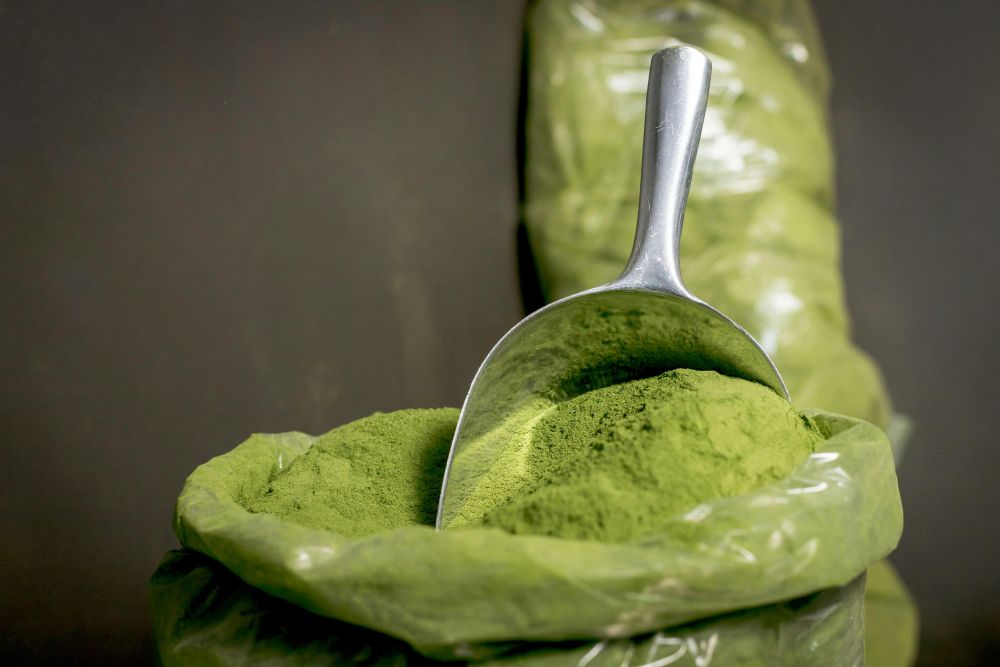
Kratom comes from the leaves of a tropical tree native to Southeast Asia and is commonly sold in powders, capsules, drinks, and extracts. Some users say it helps manage pain, improve mood, or ease symptoms of opioid withdrawal. Others warn that the substance can act on the brain in ways similar to opioids, raising concerns about addiction and misuse. The debate has placed lawmakers in the middle of a growing national conversation about how to handle emerging substances that fall outside traditional drug classifications.
The Michigan House approved House Bill 5537 by a narrow vote, reflecting divided opinions among legislators. If enacted into law, the measure would ban the growth, import, and sale of kratom and certain related synthetic products throughout the state. Violations could result in criminal penalties, signaling a significant shift from Michigan’s current policy, where kratom remains legal and largely unregulated.
Supporters of the bill argue the ban is necessary to prevent harm before the substance becomes a larger public health problem. Some lawmakers and families affected by addiction testified that kratom products are widely available in gas stations and smoke shops despite concerns about dependency risks. Medical professionals have warned that regular use can lead to tolerance and withdrawal symptoms, and critics say easy retail access exposes young people to potentially dangerous substances.
Advocates for the legislation have also pointed to personal stories from families who believe kratom contributed to serious health outcomes or deaths. Lawmakers backing the bill described the proposal as a preventive measure designed to address risks early rather than waiting for broader addiction trends to develop. Supporters say banning sales would remove products they view as addictive and insufficiently studied from everyday retail environments.
Opponents, however, argue that a full ban could create unintended consequences. Some residents testified that kratom improved their quality of life by helping manage chronic pain, anxiety, or recovery from opioid dependence. Advocacy groups representing kratom users say regulation, testing standards, and labeling requirements would better protect consumers than prohibition. They warn that banning legal access may push demand toward unregulated online markets or illegal sources, potentially increasing risks instead of reducing them.
The federal government has not classified kratom as a controlled substance, though agencies such as the Drug Enforcement Administration have labeled it a substance of concern. Reports of hallucinations, confusion, and dependence linked to heavy use have fueled calls for stricter oversight, while supporters emphasize that many people use the plant responsibly.
Michigan’s proposal reflects a broader trend across the United States, where lawmakers are struggling to decide how to address products marketed as supplements but capable of producing strong psychoactive effects. Some states have already banned kratom sales outright, while others have adopted regulatory frameworks setting age limits and safety standards.
Because the Senate is controlled by a different political majority, the bill’s outcome is unclear. Some legislators have expressed interest in regulation rather than prohibition, suggesting negotiations could reshape the proposal before any final vote.
For now, kratom sales remain legal in Michigan, but the House vote signals growing concern among policymakers about substances sold outside traditional pharmaceutical oversight. The coming Senate debate will determine whether Michigan joins states choosing to outlaw kratom entirely or pursues an alternative approach focused on regulation and consumer protections.
Join the conversation!