
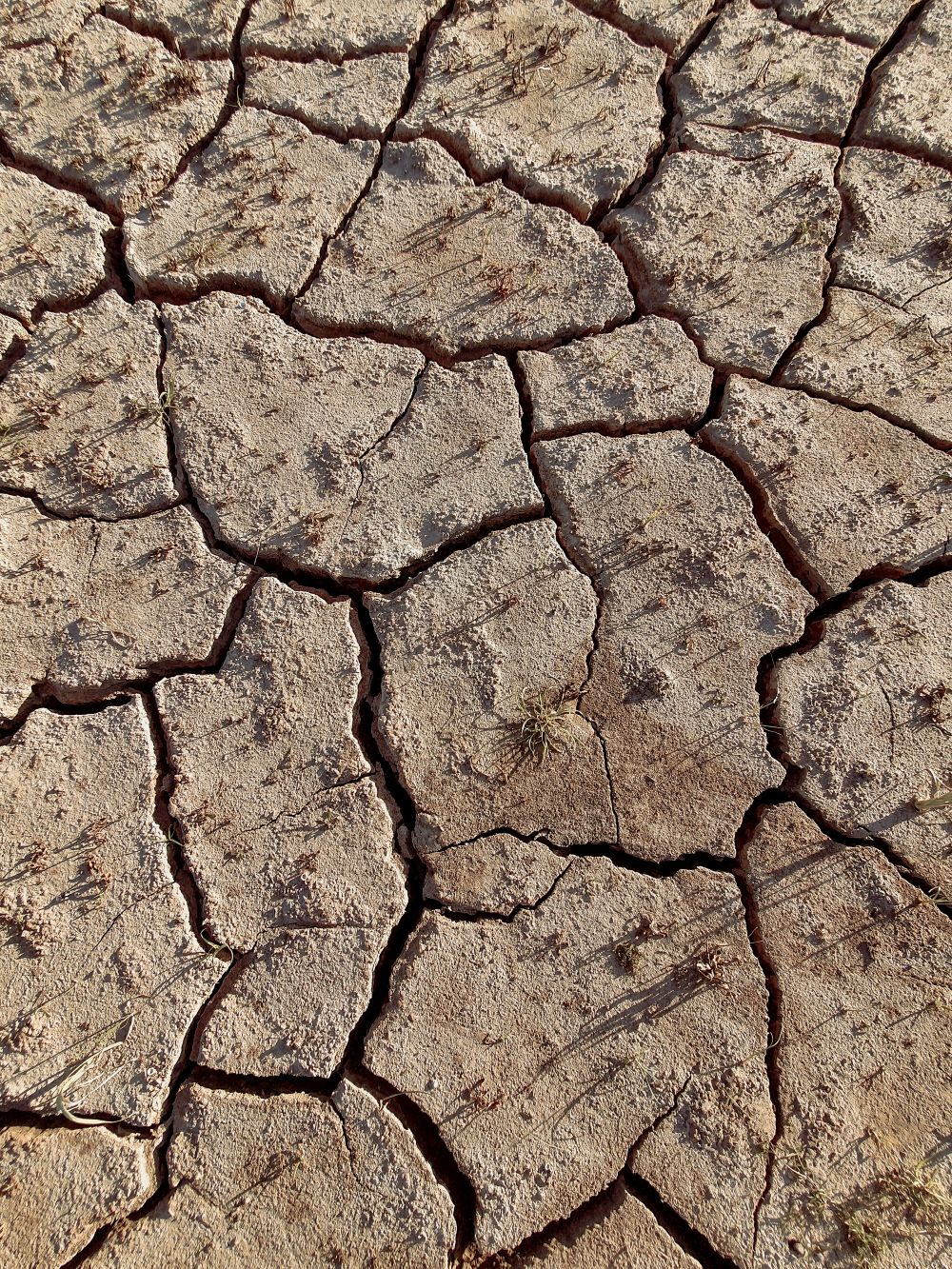
Rising global heat may drive inactivity, increasing deaths and economic losses.
As temperatures continue to rise, global warming has become a hot topic with many researchers now warning about the devastating long-term impact. One of the less obvious health effects of climate change, a new study suggests, may be a worldwide decline in physical activity, a shift that could lead to hundreds of thousands of additional deaths each year and significant economic losses by mid-century.
A recent international study examining data from more than 150 countries found that global warming is likely to make regular movement more difficult for large portions of the population. Scientists say hotter conditions place added strain on the body, making exercise feel harder and, in some cases, unsafe. Over time, this may push more people toward sedentary lifestyles, increasing the risk of chronic disease.
Physical inactivity already plays a major role in global health problems. Researchers estimate that a lack of movement contributes to about five percent of adult deaths worldwide and costs billions of dollars annually through healthcare spending and lost workplace productivity. Despite longstanding public health campaigns encouraging exercise, roughly one-third of the world’s population does not meet recommended activity levels.

The study analyzed more than two decades of information collected between 2000 and 2022, comparing temperature patterns with reported physical activity levels across diverse regions. By combining historical trends with future climate projections, researchers estimated how warming conditions could shape behavior and health outcomes through the year 2050.
Findings suggested that prolonged exposure to high temperatures significantly increases the likelihood of inactivity. Each additional month with average temperatures above roughly 82 degrees Fahrenheit was linked to measurable declines in physical activity rates. The relationship was not linear, meaning impacts rose sharply once heat crossed certain thresholds.
The effects are expected to vary widely depending on geography and economic conditions. Low- and middle-income countries located in tropical regions appear most vulnerable because many residents work outdoors or lack access to climate-controlled environments. In these areas, rising heat may limit safe hours for both work and recreation, reducing opportunities for exercise while increasing health risks tied to inactivity.
Women and older adults may face greater challenges as well. Researchers noted that certain groups have less efficient physiological responses to heat, making physical exertion more exhausting or dangerous in high temperatures. Combined with limited access to cooling resources in many regions, these factors could widen existing health disparities.
Under high greenhouse gas emission scenarios, the researchers estimated that global inactivity rates could rise by nearly two percentage points by 2050. While the increase may appear modest, the population-level consequences could be substantial. Models projected between 470,000 and 700,000 additional deaths annually linked to inactivity if warming trends continue unchecked.
The economic impact of global warming could also be significant. Reduced activity and increased illness were projected to result in billions of dollars in lost productivity each year. Heat stress alone may reduce working hours in some of the hottest regions, placing additional strain on economies already facing climate-related challenges.
The researchers emphasized that the health consequences would not be evenly distributed. Wealthier countries may be better able to adapt through indoor exercise facilities, cooling infrastructure, and urban planning strategies that reduce heat exposure. In contrast, poorer regions may struggle to invest in such protections, potentially deepening global inequalities in health outcomes.
Experts suggest that adaptation measures could help reduce risks. Urban design changes such as shaded walkways, reflective building materials, green spaces, and improved access to cooling centers may encourage safe physical activity even in warmer climates. Public health education about exercising safely during heat waves may also play an important role.
The study acknowledged several limitations, including reliance on self-reported activity data and national averages that may not capture seasonal or local differences. Researchers also noted that the analysis did not fully account for migration patterns or extreme weather events, which could influence future activity levels.
Despite these uncertainties, the findings highlight a growing connection between climate change and everyday health behaviors. Scientists argue that physical activity should be viewed not only as a lifestyle choice but also as something shaped by environmental conditions. As temperatures climb, maintaining opportunities for safe movement may become an increasingly important part of global health planning.
Join the conversation!