

Connecticut bans kratom and similar substances under strict drug classification.
A new law in Connecticut has placed kratom and several other substances into the state’s most restrictive drug category, Schedule 1, making them illegal to possess, sell, or distribute. State officials announced the change during a press conference led by Attorney General William Tong and representatives from the Connecticut Department of Consumer Protection, marking a significant shift in how these products will be handled across the state.
Under the new designation, kratom joins substances classified as Schedule 1 controlled drugs, a category used for substances considered to have a high risk for misuse and no accepted medical purpose under current law. Along with kratom, officials added 7-OH, bromazolam, flubromazolam, nitazenes, tianeptine, and phenibut to the same classification. Beginning March 25, businesses were required to remove all products containing these substances from store shelves. Retailers were instructed to either return remaining inventory to wholesalers or destroy it before the law took effect.
State leaders said the decision followed growing concern about products being sold openly without testing or regulation. Many of these substances had been marketed as wellness or supplement products despite limited safety oversight. Officials argued that this marketing created confusion among consumers, leading some people to believe the products were harmless or medically approved.
Retailers across Connecticut felt the impact immediately. Some shop owners reported financial losses after discontinuing popular products ahead of the ban. One store manager explained that while losing revenue was difficult, concerns about customers’ health ultimately outweighed business considerations. Employees had noticed frequent customers returning more often over time, sometimes multiple times per day, raising worries about dependency and misuse.
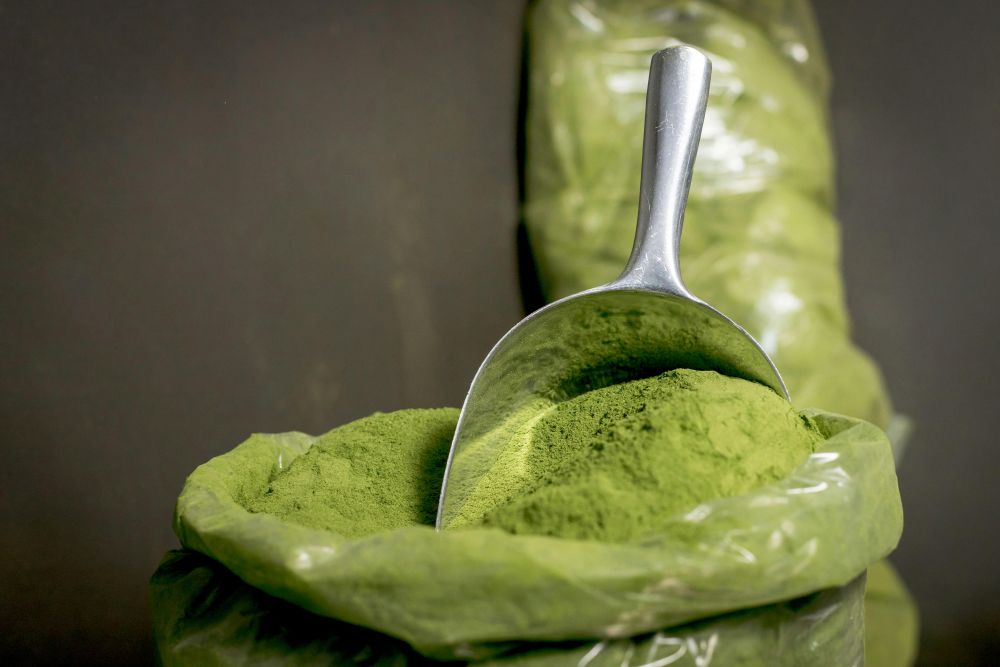
At the same time, reactions among consumers have been mixed. Kratom, a plant-based substance typically consumed as capsules, powder, or tea, has developed a following among individuals seeking relief from chronic pain, anxiety, or symptoms related to opioid withdrawal. Some users claim it helped them avoid stronger drugs or manage discomfort when other treatments were unavailable or ineffective. Critics of the ban worry that removing access could lead some individuals back to more dangerous substances if alternative support is not available.
State officials acknowledged these concerns but emphasized public safety. Attorney General Tong stated that distributors had been formally notified and warned that enforcement efforts would follow quickly. Authorities said possession or sale of the newly scheduled substances would now carry legal consequences. The Department of Consumer Protection also stressed that many of the banned products had never undergone formal testing to confirm safety or effectiveness.
Health regulators pointed to reports linking kratom use to serious side effects, including seizures and liver damage. The U.S. Food and Drug Administration has previously issued warnings advising consumers to avoid using kratom because of potential health risks and inconsistent product quality. Officials say the lack of manufacturing standards increases the possibility of contamination or unpredictable potency, which may raise the risk of harm.
The new classification places Connecticut among a growing number of states taking stronger action against emerging synthetic or plant-based substances sold outside traditional pharmaceutical regulation. Supporters of the decision believe stricter rules will prevent addiction and reduce health emergencies tied to unregulated products. They also argue that the move closes gaps that allowed substances with drug-like effects to be sold legally in convenience stores and smoke shops.
Recognizing that some residents may now face withdrawal challenges, state agencies said resources are available for people seeking help. The Department of Mental Health and Addiction Services is directing individuals toward treatment programs, withdrawal management services, and recovery support options. Officials said enforcement efforts will be paired with outreach to ensure people struggling with dependence are aware of available assistance.
The debate surrounding kratom continues nationwide, with advocates calling for regulation rather than prohibition and opponents urging tighter control due to safety concerns. Connecticut’s decision highlights the ongoing tension between consumer access, public health protection, and evolving drug policy. As enforcement begins, both business owners and consumers are adjusting to the sudden disappearance of products that had become widely available only a short time ago.
Sources:
Kratom, 6 other substances now designated as Schedule 1 controlled substances in Connecticut
Kratom is officially banned from stores in Connecticut. Here’s what to know.
Join the conversation!