
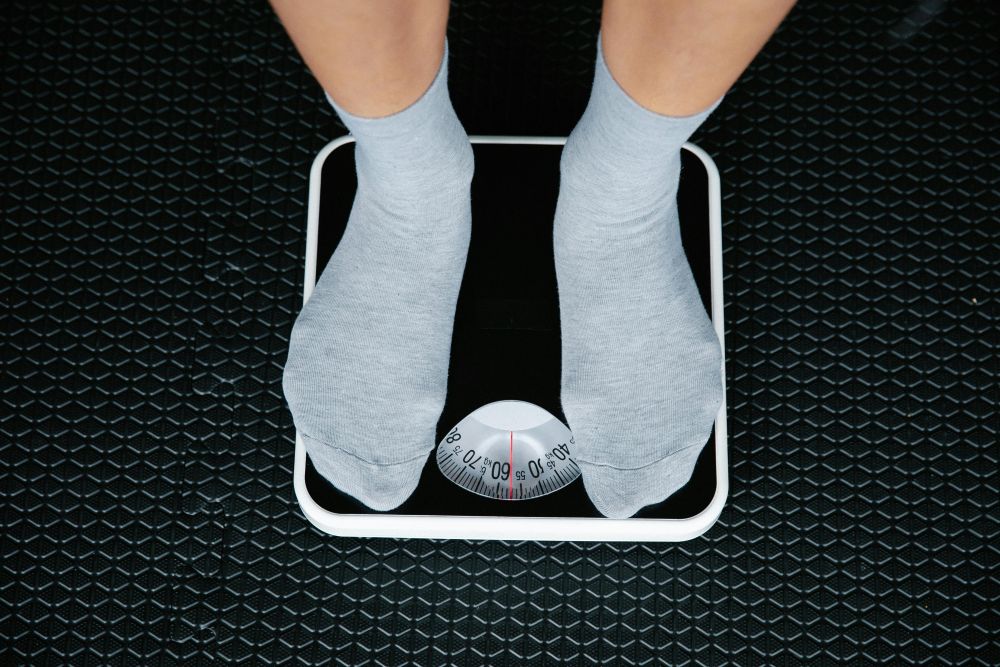
Study finds BMI often mislabels people’s true body fat levels.
Body weight has long been sorted into simple categories using a number called body mass index, often known as BMI. Doctors, insurance systems, and public health groups have relied on this calculation for decades because it is quick and inexpensive. BMI is based only on height and weight, making it easy to apply across large populations. However, new research suggests that this familiar system may not tell the full story about how much body fat a person actually has or how weight relates to health.
A new analysis presented by researchers from Italy examined how well BMI categories reflect real body composition when compared with a more advanced scanning method. The study looked at more than 1,300 adults ranging in age from young adulthood to late life. Each participant had body fat measured using dual-energy X-ray absorptiometry, often called DXA, a scanning technique that can estimate fat levels more directly than BMI. By comparing results from both methods, researchers were able to see how often BMI placed people into the wrong weight category.
The findings showed that misclassification happened far more often than many might expect. Among people labeled as having obesity based on BMI categories, about one third actually had body fat levels that placed them in the overweight range instead. This means BMI may sometimes overstate the level of weight risk for certain individuals. The pattern continued in the overweight group, where more than half were assigned to a different category once body fat was measured directly. Many of these individuals fell into the normal weight range when body fat percentage was considered, while a smaller portion had body fat levels high enough to qualify as obesity.
Agreement between BMI and DXA improved among those listed as normal weight, yet differences still appeared. Roughly one in five people considered normal weight by BMI were categorized differently after body fat was measured. Some had lower fat levels than expected, while others carried more body fat than BMI suggested. Even the underweight group showed large disagreement, though the total number of people in this category was small. Most individuals labeled underweight by BMI were found to have body fat levels consistent with normal weight.
When all results were combined, researchers found that overall rates of overweight and obesity in the group changed depending on which method was used. BMI suggested slightly higher numbers than DXA measurements. While both systems identified a similar share of the population as having weight concerns overall, they were often identifying different people. In other words, BMI and body fat scans did not always point to the same individuals.
Experts say this difference matters because health risks are more closely tied to body fat than to weight alone. Two people with the same BMI may have very different amounts of fat and muscle. Someone with higher muscle mass may appear overweight by BMI despite having lower body fat, while another person with less muscle may fall into a normal BMI range even with higher fat levels. Age and body changes over time can also affect how fat is stored, which BMI categories do not capture.
Despite these limits, BMI remains widely used because it is simple and requires no special equipment. Advanced scans like DXA are accurate but expensive and not practical for routine screenings in many clinics. Researchers suggest that combining BMI with other basic measures, such as waist size or body proportions, may offer a better picture without adding major cost. These added measurements may help doctors avoid labeling people incorrectly and allow health advice to better match individual needs.
The study focused only on White European adults, meaning further research is needed to understand whether similar patterns appear in other populations. Body composition can vary across ethnic groups, and scientists say future work should include broader samples from different regions and backgrounds.
The results add to growing discussion about whether BMI should remain the main tool for judging weight health. While it still offers a useful starting point, researchers believe relying on a single number may miss important differences between individuals. As understanding of body composition improves, health systems may move toward approaches that look beyond height and weight alone, helping create a clearer picture of how body fat relates to long-term well-being.
Sources:
New analysis reveals flaws in traditional BMI classification system
Join the conversation!