
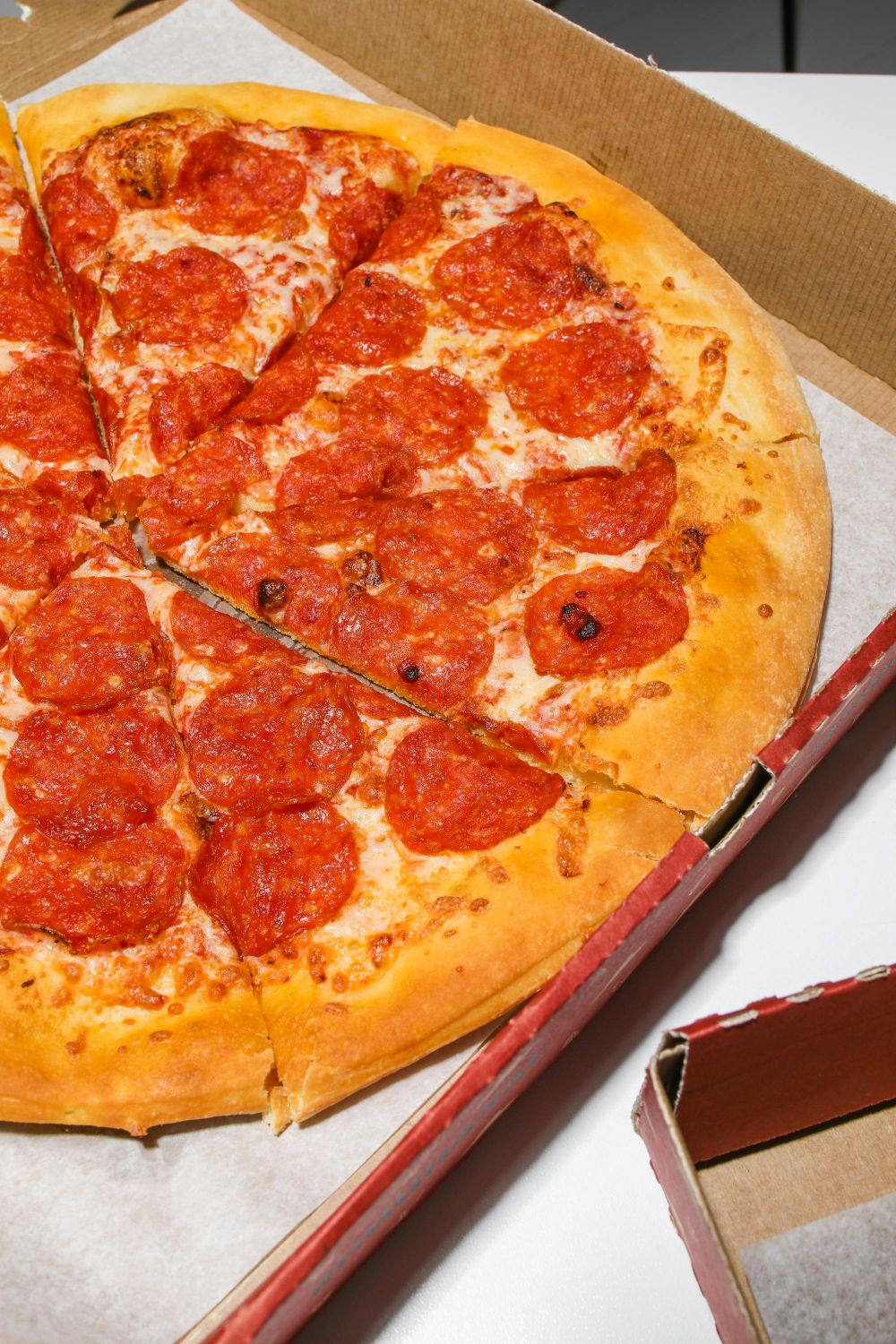
Consumers urged to discard certain packaged foods due to contamination risk.
A large recall has been issued for thousands of ready-to-eat bread and pizza products after concerns were raised about possible metal contamination. The recall involves more than 25,000 cases of food items produced by North Carolina-based company Bakkavor. The action began earlier this year but was later given a formal classification by federal health officials, signaling a moderate level of concern for consumers.
The Food and Drug Administration labeled the situation as a Class II recall. This type of recall means that while the risk of serious harm is considered low, there is still a chance that consuming the affected products could lead to temporary or medically reversible health issues. No injuries or illnesses have been reported so far, but officials still recommend taking the warning seriously.
The recall includes a wide range of focaccia bread products, especially roasted tomato and Parmesan varieties. These items were sold under several popular store brands, including products found at major grocery chains and retail stores. In addition to the bread, a smaller number of packaged basil pesto and mozzarella pizzas were also affected. These pizza kits were shipped directly to customers through a meal delivery service, increasing the reach of the recall beyond traditional store shelves.
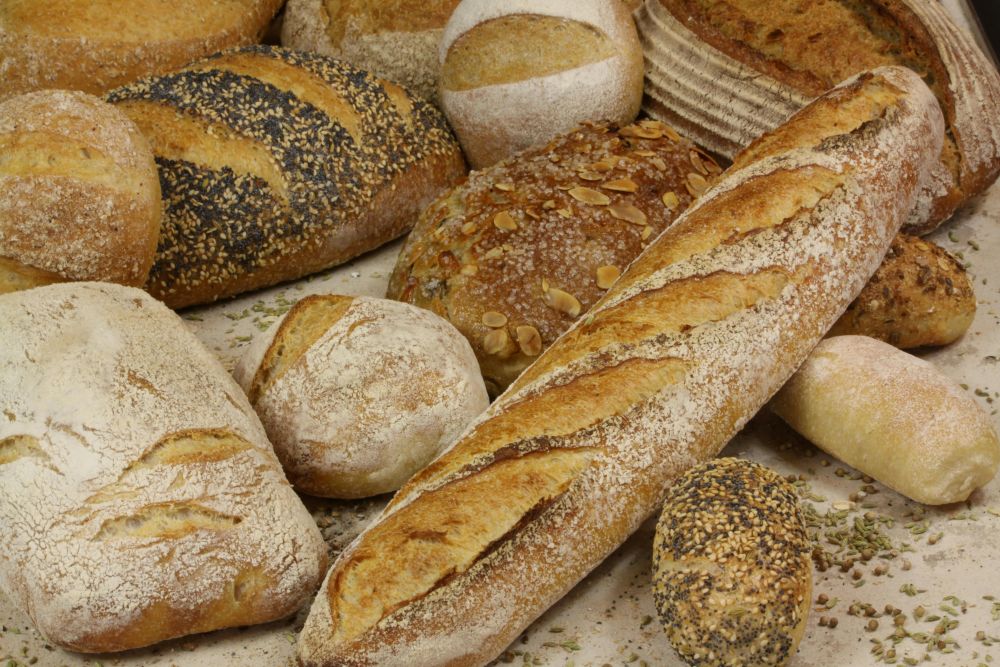
The affected products were distributed across ten states, including Arizona, California, Connecticut, Florida, Illinois, Michigan, North Carolina, New Jersey, Texas, and Virginia. This wide distribution means that many households may have purchased or received these items without realizing they were part of the recall. The products carry use-by dates that stretch over several months, so some may still be sitting in refrigerators or freezers.
Health officials are advising anyone who purchased these items to either throw them away or return them to the store where they were bought for a refund. Even though the risk is not considered severe, the possibility of metal fragments in food is taken seriously due to the risk of injury if consumed. Small pieces of metal could potentially cause harm to the mouth, throat, or digestive system.
This recall draws attention to the importance of food safety checks and the systems in place to catch potential issues before they become widespread problems. Companies often issue recalls voluntarily once a concern is identified, even before any injuries are reported. In this case, the manufacturer acted to remove the products from circulation and alert both stores and customers.
Consumers are encouraged to stay informed about recalls by checking official announcements and paying attention to product details such as brand names, lot numbers, and expiration dates. Keeping track of these details can help prevent accidental consumption of recalled items.
While no confirmed harm has been linked to these products, the recall serves as a reminder that even common grocery items can sometimes pose unexpected risks. Taking simple steps, such as checking packaging and following recall guidance, can help reduce those risks and keep households safe.
Food recalls like this are not unusual, but they do show how closely the food supply is monitored. With quick action from manufacturers and clear communication from health agencies, most situations are handled before they lead to serious consequences. For now, customers who may have purchased these bread or pizza products are urged to double-check their kitchens and act accordingly.
Sources:
Thousands of bread, pizza items recalled in 10 states over possible metal contamination
Pizza and bread products recalled for metal fragments across 10 states
Join the conversation!