
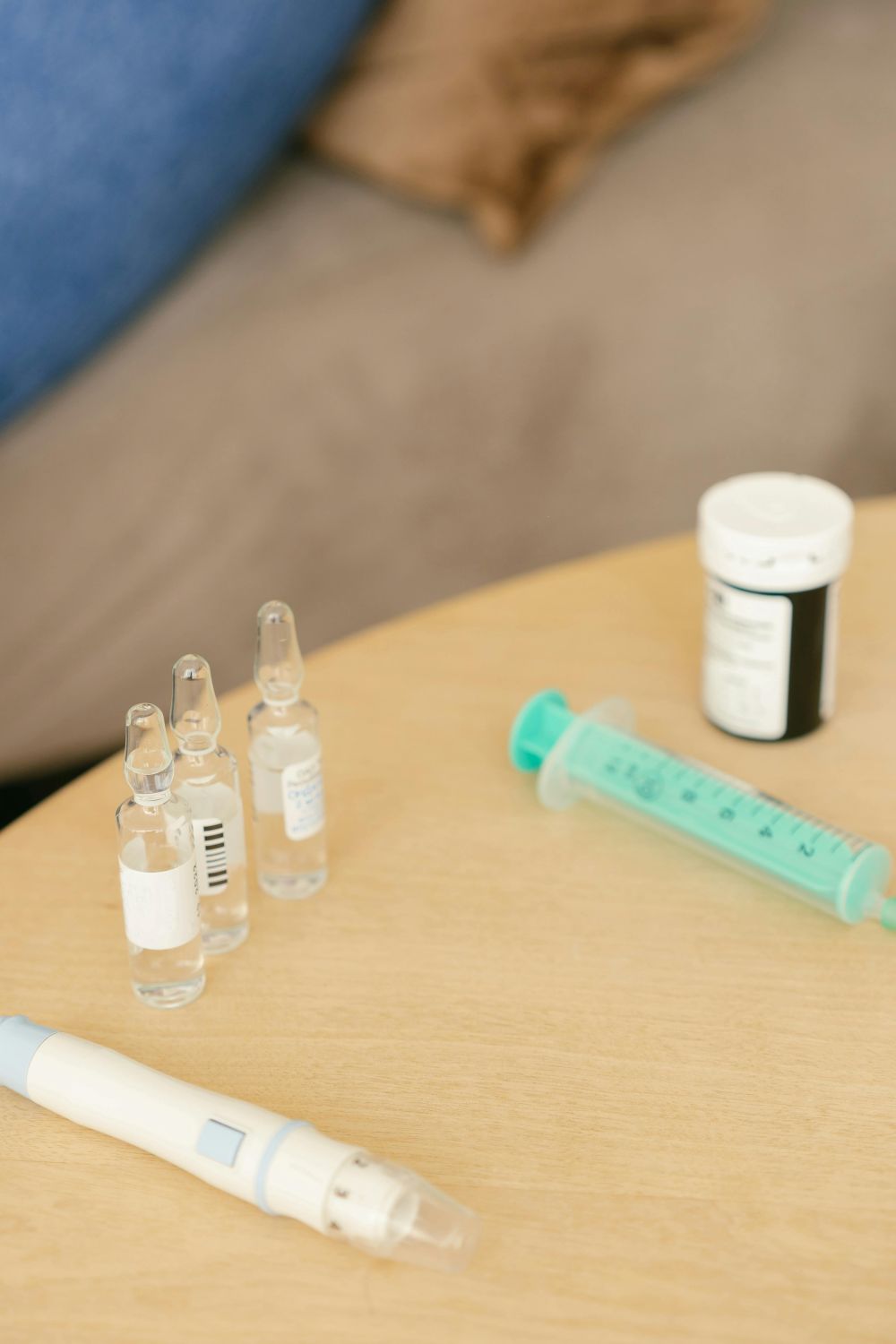
Weight loss drugs may reduce cravings and help treat addiction.
Drugs first created for diabetes and weight loss are now being studied for something very different: addiction. Medications like Ozempic, Wegovy, and Mounjaro were designed to help control blood sugar and reduce appetite. Over time, doctors and researchers began to notice another pattern. People taking these drugs were not only eating less, but also drinking less alcohol, smoking less, and in some cases losing interest in other substances. This unexpected shift has led to growing interest in whether these medications could help treat addiction.
These drugs work by affecting hormones that help control hunger and blood sugar. However, they also appear to affect parts of brain tied to reward and motivation. Addiction is closely linked to how brain responds to pleasure and cravings. When that system is out of balance, a person may feel strong urges to use substances and have trouble stopping. Early findings suggest these medications may help calm that system, making cravings less intense rather than simply relying on willpower to resist them.
Some people taking these weight loss drugs have reported that they no longer feel same pull toward alcohol or drugs. Instead of constantly thinking about using, urge seems to fade into background. This change appears to happen without a person forcing it, which is a key difference from many current treatments. Traditional medications for addiction often focus on reducing pleasure after using a substance. In contrast, these newer drugs may reduce desire before a person even reaches that point.
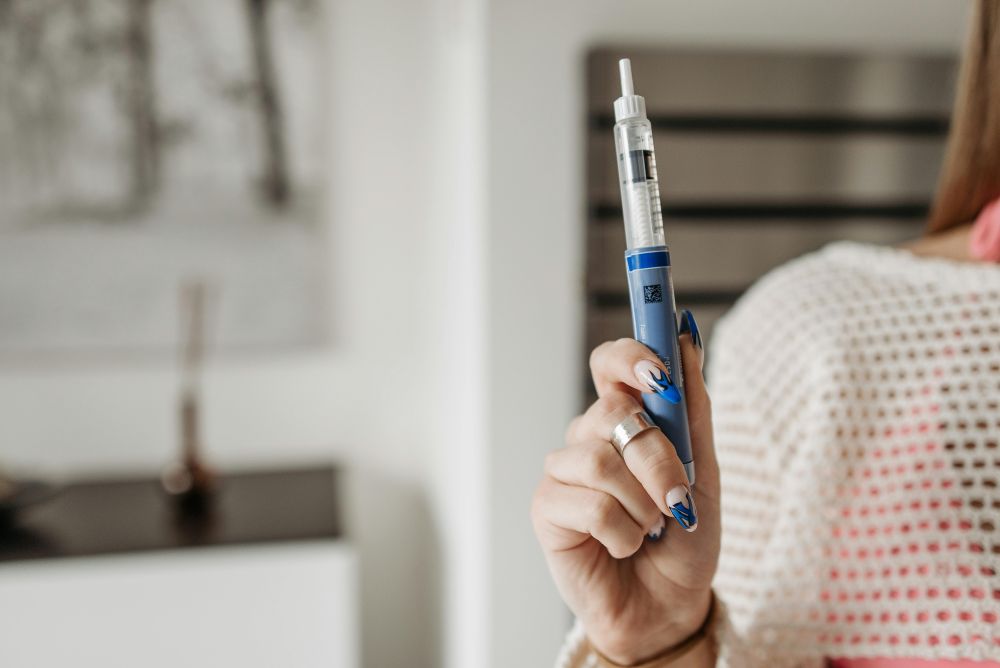
Large studies looking at medical records have added to this idea. People who were prescribed these medications for diabetes or weight loss were found to have lower rates of substance-related problems. This includes fewer hospital visits related to alcohol or drug use and, in some cases, lower risk of overdose. While these findings are promising, they are not final proof. More controlled studies are needed to confirm whether these medications directly cause these changes.
One area getting special attention is cannabis use. Cannabis use disorder has been increasing in recent years, and treatment options are limited. Researchers are now testing whether a drug called tirzepatide, sold under names like Mounjaro, can help people reduce or stop cannabis use. This medication works on two different hormone systems instead of one, which may make its effects stronger. A clinical trial is underway to see if people who take it experience fewer cravings and better control over their use.
Another reason for interest is that addiction and metabolic health may be more connected than once thought. Conditions like obesity, diabetes, and substance use disorders all involve changes in how brain processes reward. If one treatment can help regulate that system, it could potentially address more than one issue at same time. Some patients may benefit from improvements in both physical health and substance use.
At same time, there are still many questions. It is not fully clear whether these medications reduce cravings directly through brain changes or if improvements in physical health also play a role. Weight loss, better blood sugar control, and reduced inflammation can all affect mood and behavior. Researchers are still working to understand how much each factor contributes.
These weight loss drugs are not yet approved as treatments for addiction, and they are not expected to replace current options anytime soon. Treatments like counseling and existing medications remain important. However, this new approach offers a different way of thinking about addiction. Instead of focusing only on stopping substance use, it looks at changing how brain responds to reward and desire.
If ongoing studies confirm early findings, these drugs could change how addiction is treated in future. For now, research continues as scientists work to better understand how these medications affect both body and brain, and whether they can safely help people struggling with substance use.
Sources:
GLP-1s Like Ozempic May Be a New Treatment for Addiction
‘It buys patients time’: GLP-1s show early promise in addiction treatment
Join the conversation!