

Without independent investigation, the defence would be limited to responding to the prosecution’s narrative rather than actively testing it.
Criminal defence is often viewed through a courtroom lens, lawyers arguing motions, cross-examining witnesses, and presenting legal arguments before a judge. What is less visible is the investigative work that happens behind the scenes. In many cases, the strength of a defence begins long before anyone steps into court.
Private investigators play an increasingly important role in this process. Working alongside defence counsel, they help uncover facts, test evidence, and identify gaps in the prosecution’s case. While police investigations are focused on building a case for the Crown, private investigators approach the same facts from a different perspective, one that is critical to ensuring balance in the justice system.
Professionals such as Michael Porter, a Senior Investigator with Toronto Private Investigation Agency Haywood Hunt & Associates Inc., operate within this space, supporting defence teams by examining evidence in ways that may not have been explored during the initial investigation.
The Difference Between Police Investigations and Defence Investigations
Police investigations are designed to determine whether a crime has occurred and whether there is sufficient evidence to lay charges. Once charges are laid, the Crown relies heavily on the evidence collected during that initial phase.
However, criminal defence is not simply about responding to that evidence, it is about testing it.
Private investigators assist by:
- Re-examining timelines and sequences of events
- Identifying inconsistencies in witness statements
- Locating new witnesses who were not initially interviewed
- Gathering independent evidence that may support the accused
This independent review can reveal gaps or assumptions that may not be obvious on the surface.
Locating and Interviewing Witnesses
Witness testimony is often a central component of criminal cases. Yet not all witnesses are identified or interviewed during the initial police investigation.
Private investigators may:
- Locate individuals who were present but not documented
- Re-interview witnesses to clarify inconsistencies
- Identify potential bias or reliability issues
Unlike formal police interviews, these interactions can sometimes provide additional context or detail that changes how an event is understood.
In some cases, a single overlooked witness can significantly alter the direction of a defence.
Challenging the Accuracy of Evidence
Evidence is not always as straightforward as it appears. Surveillance footage, for example, may seem conclusive, but context, timing, and interpretation can all affect its reliability.
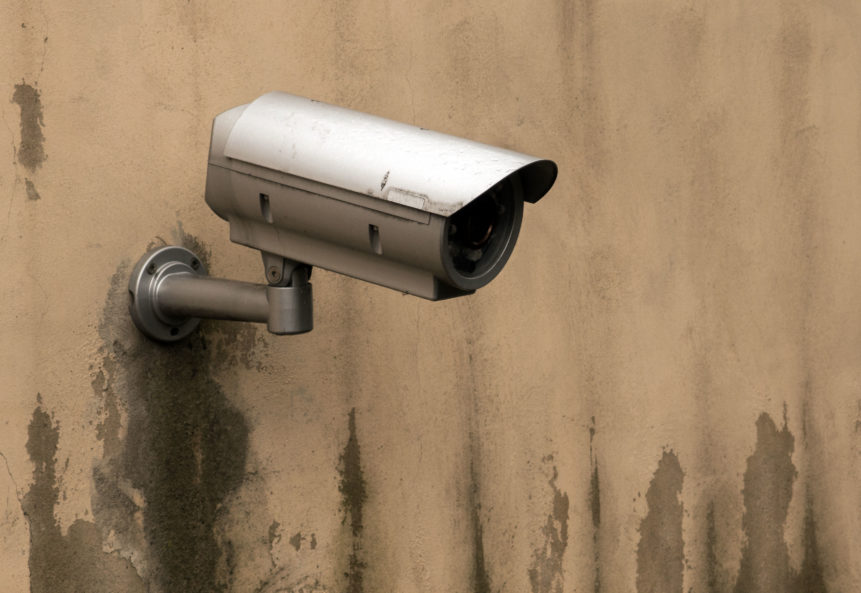
Private investigators help defence teams analyze evidence more critically by:
- Reviewing video footage frame by frame
- Verifying timestamps and locations
- Cross-referencing physical evidence with witness accounts
This process can expose discrepancies that raise reasonable doubt, an essential component of any criminal defence.
Reconstructing Events
One of the most valuable contributions a private investigator can make is reconstructing the events surrounding an alleged offence.
This may involve:
- Visiting the scene of the incident
- Mapping out timelines based on available data
- Identifying physical or environmental factors that affect visibility or movement
Reconstruction helps determine whether the prosecution’s version of events is realistic, or whether alternative explanations are more plausible.
Investigators such as those at Haywood Hunt & Associates Inc. often focus on these details, recognizing that small inconsistencies can have a significant impact in court.
Digital Evidence and Modern Investigations
As technology becomes more integrated into daily life, digital evidence has become a major factor in criminal cases.
Private investigators may examine:
- Phone records and location data
- Social media activity
- Digital communications
- Online timelines and interactions
This type of evidence can either support or contradict statements made by witnesses or the accused. In some cases, it provides a clearer and more objective record of events than human recollection.
Identifying Investigative Gaps
No investigation is perfect. Time constraints, resource limitations, and human error can all result in incomplete or flawed findings.
Private investigators are often tasked with identifying:
- Leads that were not followed
- Evidence that was not collected
- Assumptions that were made without verification
These gaps do not necessarily indicate wrongdoing, they are a natural part of any complex investigation. However, in a criminal case, even small gaps can be significant when establishing reasonable doubt.
Supporting Legal Strategy
The role of a private investigator is not limited to gathering information. Their findings often shape the broader legal strategy.
For example:
- Evidence inconsistencies may support a motion to exclude certain evidence
- New witness statements may influence plea negotiations
- Reconstructed timelines may strengthen a defence at trial
In this way, investigative work becomes directly tied to legal outcomes.
As Michael Porter, has observed in practice, effective defence often depends on understanding not just what evidence exists, but how reliable that evidence truly is.
The Importance of Objectivity
One of the key strengths of private investigators is their ability to approach a case with a fresh perspective.
While police investigations are shaped by initial findings and theories, private investigators are often brought in later, allowing them to:
- Reassess the evidence without prior assumptions
- Focus on overlooked details
- Consider alternative explanations
This objectivity is essential in a system where the stakes are high and the consequences are significant.
A Critical but Often Overlooked Role
Private investigators do not replace lawyers, nor do they determine legal outcomes. Their role is to support the defence by ensuring that all relevant facts are identified and examined.
In a system that depends on fairness and balance, this function is critical. Without independent investigation, the defence would be limited to responding to the prosecution’s narrative rather than actively testing it.
As criminal cases become more complex, particularly with the rise of digital evidence and surveillance, this role is likely to become even more important.
Criminal defence is not built on arguments alone. It is built on facts, evidence, and the ability to question both.
Private investigators provide the tools to do exactly that. By uncovering new information, challenging assumptions, and identifying weaknesses in the prosecution’s case, they help ensure that the legal process remains balanced and thorough.
In many cases, the difference between a strong defence and a weak one lies not just in the law, but in the investigation behind it.
Join the conversation!