
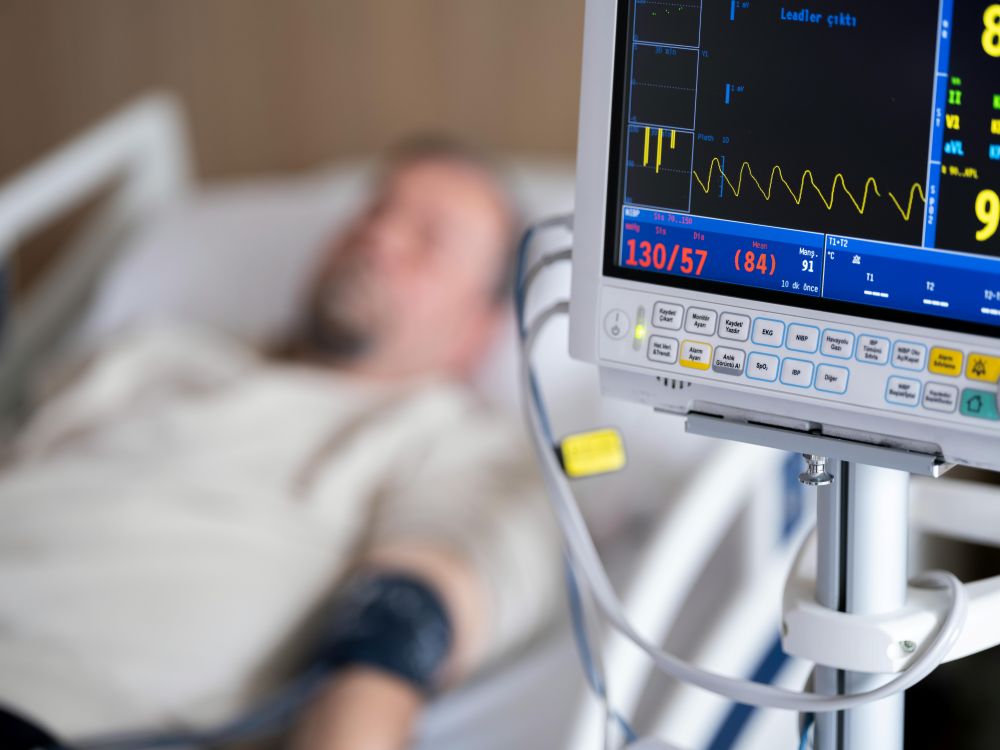
Stress response triggers harmful heart inflammation after attack.
A new study is changing how heart damage after a heart attack is understood. When a heart attack happens, the body quickly sends white blood cells called neutrophils to the injured area. These cells are meant to help with reducing inflammation risk and promoting healing, but when too many arrive too fast, they can make the damage worse instead of better. Scientists have long believed these cells came mainly from the bone marrow, but this new research suggests something different.
Researchers found that many of these neutrophils are already sitting along the walls of blood vessels, waiting. This means they do not need to be made first and then travel through the body. Instead, they can move to the heart almost right away. This fast response may sound helpful, but it can lead to too much inflammation in a short time. Inflammation risk is part of healing, but too much of it can harm heart tissue and slow recovery.
The study also points to the body’s stress response as the trigger for this sudden movement of cells. After a heart attack, stress hormones rise quickly. One of these hormones, called norepinephrine, sends a signal that tells neutrophils to break away from the blood vessel walls and head toward the heart. This process allows a large number of cells to arrive very quickly, which can overwhelm the injured area.
Once these cells reach the heart, they release certain proteins that send another message to the bone marrow. This message tells the body to start making even more neutrophils. As a result, the first wave of cells leads to a second, larger wave. This chain reaction can increase inflammation even further, making it harder for the heart to heal in a balanced way.

The research team wanted to see if slowing down this first wave could improve healing. To test this idea, they used a drug in mice that blocks part of the stress signal. This drug, known as a beta two blocker, stops neutrophils from entering the bloodstream as quickly. With fewer cells rushing to the heart, the level of inflammation was lower. The mice that received this treatment showed better heart function and improved healing compared to those that did not.
An important part of the finding is that the drug was only used for a short time. The body still needs some neutrophils to repair damage, so completely blocking them would not be helpful. The goal is to keep the number of these cells at a level that supports healing without causing extra harm. Finding this balance appears to be key to better recovery after a heart attack.
Doctors already use a different type of drug called beta one blockers to help heart patients. These drugs reduce how hard the heart has to work. The type used in this study is not yet approved for people, but some existing medications affect both types of signals. These drugs are already in use for other heart conditions, which may make it easier to study this approach further.
The next step for researchers is to see if the same results can be seen in people. If similar effects are found, this could lead to a new way to treat heart attack patients. By calming the early surge of immune cells and inflammation risk, it may be possible to protect the heart from added damage and support a smoother healing process.
This research offers a new way of thinking about how the body reacts after a heart attack. Instead of only focusing on repairing damage, it shows the importance of controlling the body’s response. A fast reaction is not always the best one, especially when it leads to too much inflammation. Slowing things down, even slightly, may give the heart a better chance to recover and stay healthy over time.
Stress, immune response, and heart health are closely connected, and this study brings those links into clearer view. It suggests that managing the body’s natural reactions could be just as important as treating the injury itself. As more studies are done, this idea may lead to changes in how care is given after a heart attack, with a stronger focus on balance and timing in the healing process.
Sources:
New research identifies stress response as trigger for heart inflammation
Join the conversation!