
Hawaii officials warn powerful 7-OH products carry serious overdose and addiction risks.
Health officials in Hawaii are warning residents about a growing number of products containing a powerful substance known as 7-hydroxymitragynine (7-OH). The compound is linked to the kratom plant, but experts say newer versions being sold in stores and online may carry far greater risks than traditional kratom products, which can be harmful themselves. The warning came from the Hawaiʻi Department of Health after reports showed the products becoming easier to find in vape shops, smoke stores, convenience stores, and online marketplaces, a trend that extends to other states as well. Officials said many of the products are being sold as gummies, flavored drinks, tablets, and shots, which might be appealing to teenagers and young adults.
Some forms of 7-OH are made by concentrating the substance while others may be partly synthetic. Experts say the compound can act on the same brain receptors affected by opioids and may cause effects similar to prescription painkillers or illegal narcotics. State officials warned that 7-OH may be about 10 times more powerful than morphine, leading to serious health issues including addiction, breathing problems, harmful drug interactions, overdoses, and in rare cases, death.
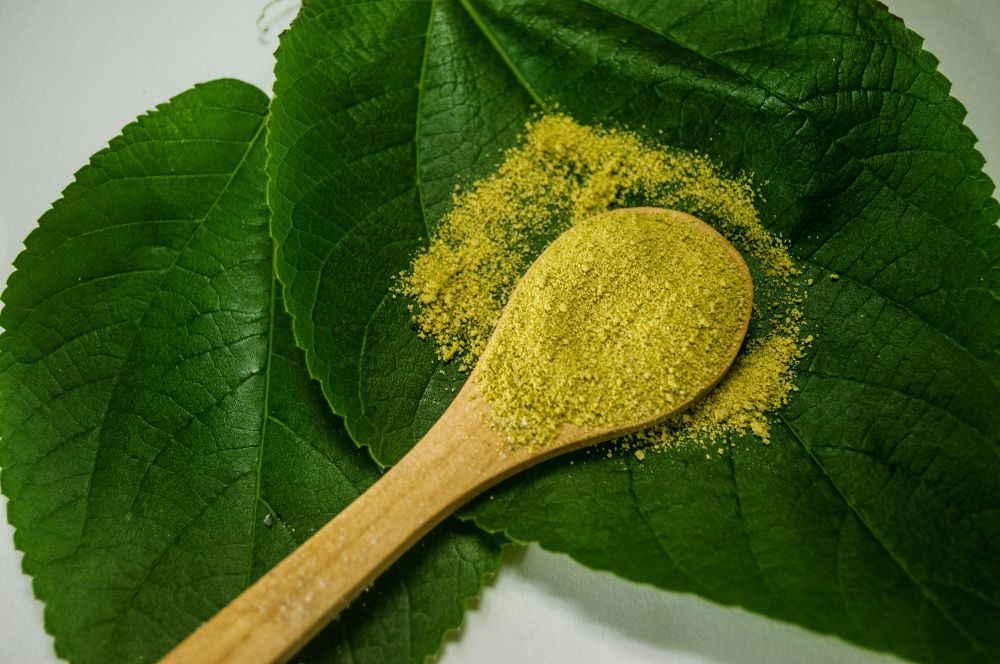
Traditional kratom products have been sold for years in different parts of the United States as well as overseas, often promoted for pain relief, mood improvement, or increased energy. However, health experts say these newer concentrated products are very different from raw kratom leaves or basic plant powders. Some products contain highly processed extracts with unknown ingredient amounts, making them harder for consumers to judge safely. Pure kratom, in itself, has been linked to addiction risk, with that risk greatly amplified for those taking 7-OH.
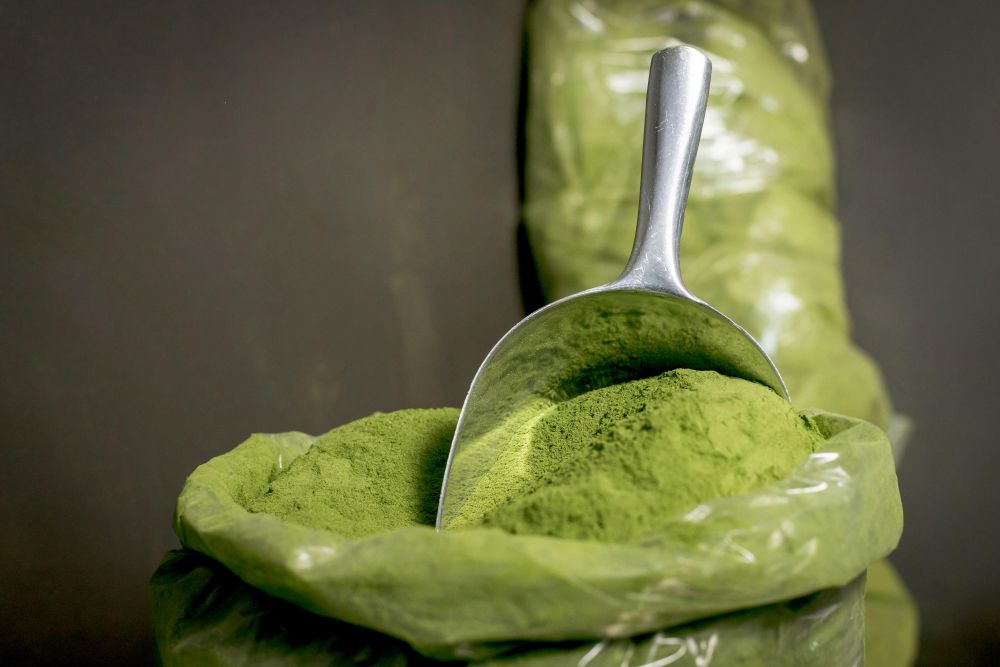
The department said some packages are being marketed using terms like “enhanced kratom,” “legal highs,” or “7-OH.” Officials warned that these labels may give buyers the false impression that the products are harmless or as natural as the pure plant version. In reality, health experts say the stronger forms can affect the body in ways similar to opioids. Possible side effects include heavy sedation, slowed breathing, dependency, and withdrawal symptoms. Officials also warned that mixing these products with alcohol or other drugs may increase the chance of serious medical emergencies. Some products may contain concentrated ingredients that are not clearly listed on packaging.
Kenneth Fink, director of the Hawaiʻi Department of Health, described 7-OH as an emerging danger to public health. He said products containing the compound are often marketed in misleading ways that may cause consumers to believe they are safe when they can actually carry major risks. The U.S. Food and Drug Administration (FDA) has also issued warnings about products containing concentrated 7-OH. Federal officials stated that while very small amounts of the substance occur naturally in kratom plants, concentrated versions are not approved as dietary supplements and cannot legally be added to food products.
Federal regulators have already started to take action against some companies selling concentrated 7-OH products. Gummies, tablets, powders, and drink mixes have been among the products facing increased attention from regulators. The Drug Enforcement Administration (DEA) is now reviewing whether 7-OH should become a Schedule I controlled substance under federal law. Drugs in that category are considered to have high abuse potential and no accepted medical use under federal standards, which would lead to them being removed from store shelves.
Health officials in Hawaii said they are working with partner agencies while reviewing possible enforcement and regulation options tied to the sale and distribution of these products across the state. Parents are also being encouraged to speak with teenagers and young adults about substances sold in vape shops and online stores. At the same time, healthcare workers are being asked to watch for overdose symptoms or withdrawal problems connected to 7-OH use. Officials added that naloxone, commonly sold under the brand name Narcan, may help reverse overdoses involving the substance.
Sources:
DOH warns public of dangerous emerging opioid-like product known as ‘7-OH’
Health officials warning about potent kratom-derived products called 7-OH in Hawaiʻi
Join the conversation!