
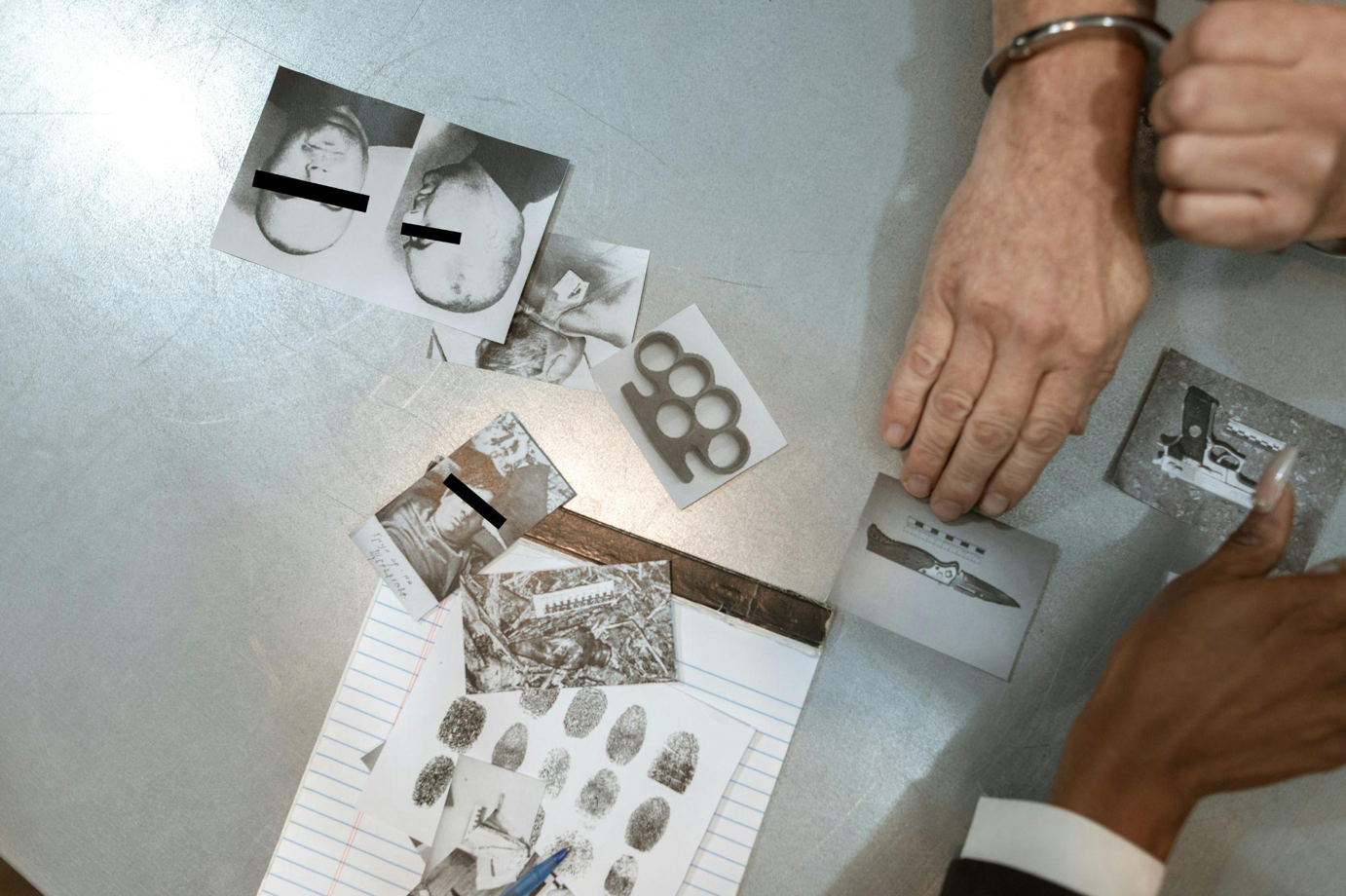
Courts assess the reliability of forensic evidence by examining whether the methods used are scientifically valid and widely accepted within the relevant field.
Forensic evidence has become one of the most influential elements in modern criminal trials, especially in serious cases such as murder prosecutions. To many jurors, scientific findings carry an inherent sense of objectivity, often perceived as more reliable than witness testimony or circumstantial evidence. This perception has elevated forensic science into a central pillar of the criminal justice system, shaping how guilt or innocence is determined in courtrooms across the country.
However, the assumption that forensic evidence is infallible is increasingly being challenged. Behind every laboratory result lies a process involving human interpretation, procedural handling, and analytical judgment. These factors introduce potential vulnerabilities that can significantly affect the outcome of a case. Understanding how forensic evidence can fail—and how it can be scrutinized—is essential for maintaining fairness and accountability in high-stakes criminal litigation.
The Expanding Role of Forensic Evidence in Criminal Cases
The reliance on forensic evidence in criminal prosecutions has grown dramatically over the past few decades. Techniques such as DNA analysis, fingerprint identification, and digital forensics are routinely used to establish connections between suspects and crime scenes. These tools allow prosecutors to construct detailed narratives that can be highly persuasive to juries, often reinforcing the strength of the prosecution’s case.
Yet, the presence of scientific evidence does not automatically equate to certainty. Each forensic method is built upon specific assumptions, protocols, and limitations. For example, while DNA testing can indicate that biological material is present, it cannot always determine how or when it was transferred. This distinction is critical, as it can fundamentally alter the interpretation of the evidence within the broader context of a criminal investigation.
Additionally, forensic findings are rarely standalone pieces of proof. They are typically integrated with law enforcement reports, witness accounts, and circumstantial factors. When discrepancies arise among these elements, the reliability of the forensic conclusions may be questioned. This dynamic highlights the importance of careful evaluation rather than blind reliance on scientific results.
Understanding the Limitations of Common Forensic Methods
Different forms of forensic evidence carry varying degrees of reliability, and not all are equally supported by scientific validation. DNA evidence, often considered the gold standard, can still be compromised by contamination, improper storage, or secondary transfer. These issues can introduce uncertainty, particularly in complex cases where multiple individuals may have had contact with the same environment.
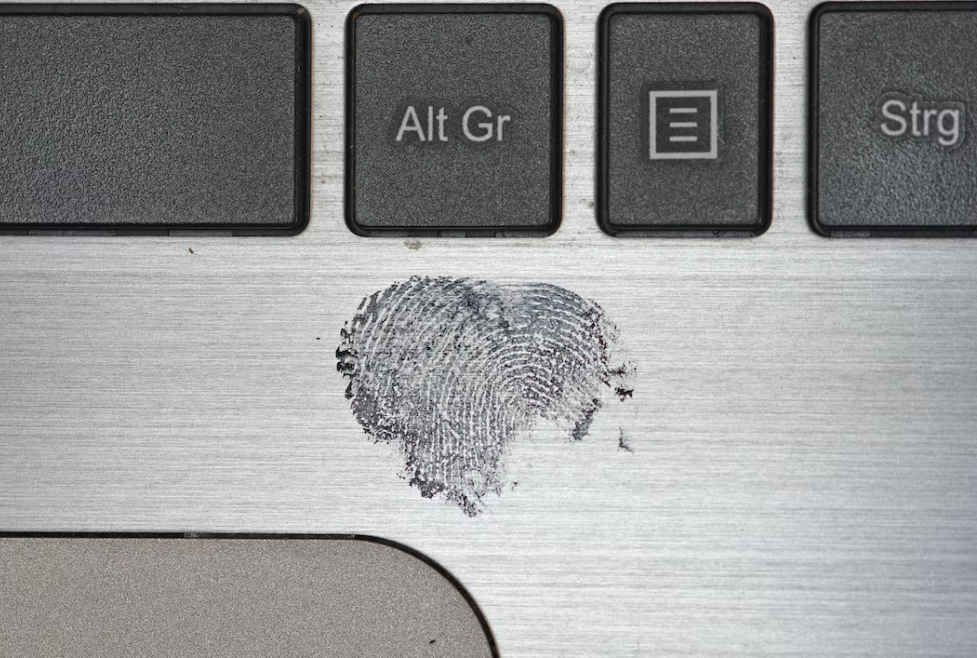
Similarly, fingerprint analysis relies on visual pattern matching rather than purely objective measurement. While widely accepted, this method involves a level of subjective interpretation, which can vary between analysts. Courts have increasingly recognized that such variability can impact the strength of expert testimony, especially when conclusions are presented with unwarranted certainty.
Other disciplines, including ballistics analysis and certain forms of pattern-based forensic techniques, have faced growing scrutiny in recent years. Questions about their scientific foundation have led to debates over admissibility and reliability. As a result, legal professionals are paying closer attention to whether the methods used in a case meet established standards of scientific credibility.
How Human Error and Bias Influence Forensic Outcomes
Despite advancements in technology, forensic analysis remains a human-driven process. Errors can occur at multiple stages, from the initial collection of evidence at a crime scene to its interpretation in a laboratory setting. Contamination, for instance, can happen when evidence is not properly handled, potentially altering the results and undermining the integrity of the case.
Human error is another critical factor. Mistakes such as mislabeling samples, misinterpreting data, or deviating from standard procedures can have significant consequences. In some cases, these errors may go unnoticed until after a conviction, raising concerns about the reliability of the outcome and the need for post-conviction review.
Bias also plays a role in shaping forensic conclusions. Confirmation bias can influence analysts who are aware of investigative theories, leading them to interpret evidence in a way that supports those expectations. This issue has prompted calls for greater independence and transparency in forensic laboratories, as well as stricter safeguards to ensure objectivity in criminal proceedings.
Legal Strategies for Challenging Forensic Evidence in Court
Challenging forensic evidence requires a comprehensive and methodical approach. Defense attorneys often begin by examining the chain of custody, ensuring that evidence was properly documented and handled at every stage. Any gaps or inconsistencies in this process can raise questions about the reliability of the findings and may even lead to the exclusion of evidence.
Another key strategy involves consulting independent forensic experts. These specialists can review the methodologies used in the case and provide alternative interpretations of the data. By presenting competing analyses, defense teams can demonstrate that scientific conclusions are not always definitive, thereby introducing reasonable doubt into the proceedings.
Cross-examination is also a powerful tool in exposing weaknesses in forensic testimony. By questioning the qualifications, methods, and assumptions of expert witnesses, attorneys can highlight uncertainties that may not be immediately apparent to jurors. In many cases, the objective is not to disprove the evidence entirely but to show that it does not meet the standard required for a criminal conviction.
The Broader Impact of Forensic Challenges on the Justice System
The ability to challenge forensic evidence has far-reaching implications beyond individual cases. Increased scrutiny has led to reforms in how evidence is collected, analyzed, and presented in court. Forensic laboratories are now subject to stricter oversight, and there is a growing emphasis on standardization and quality control.
These developments reflect a broader recognition that scientific evidence must be continuously evaluated to ensure its reliability. High-profile cases involving wrongful convictions have highlighted the dangers of overreliance on flawed forensic methods, prompting calls for greater accountability within the system.
Legal professionals who understand these complexities are better positioned to navigate the challenges of modern criminal litigation. Firms experienced in analyzing intricate evidence, such as The Defense Firm Criminal Law, often emphasize the importance of thorough evaluation and critical thinking when dealing with scientific findings.
Conclusion
Forensic evidence remains a powerful tool within the criminal justice system, but it is not without its limitations. Its effectiveness depends on accurate collection, proper analysis, and objective interpretation. When any of these elements are compromised, the reliability of the evidence—and the fairness of the trial—can be called into question.
Understanding the potential weaknesses of forensic science is essential for ensuring that justice is served. Legal challenges play a critical role in identifying errors, addressing bias, and preventing wrongful outcomes. As the field continues to evolve, the importance of rigorous scrutiny and informed legal strategy cannot be overstated.
Ultimately, maintaining confidence in the legal system requires a balanced approach—one that values scientific advancement while recognizing its imperfections. Through careful analysis and continued oversight, forensic evidence can remain a valuable, yet carefully examined, component of modern criminal law.
Frequently Asked Questions
What does it mean to challenge forensic evidence in a criminal case?
Challenging forensic evidence involves questioning the processes used to collect, analyze, and interpret scientific findings presented in court. Defense attorneys often review laboratory procedures, evaluate the qualifications of experts, and identify potential errors or inconsistencies that could affect the reliability of the evidence.
This process is essential because it ensures that only accurate and properly handled evidence is considered during a trial. By highlighting weaknesses or uncertainties, legal teams can introduce doubt and influence how jurors interpret the overall strength of the prosecution’s case.
Can forensic evidence lead to wrongful convictions?
Yes, forensic evidence can contribute to wrongful convictions if it is flawed, misinterpreted, or presented with undue certainty. Issues such as contamination, human error, and reliance on outdated techniques have all been identified in cases where convictions were later overturned.
These situations underscore the importance of ongoing review and improvement within forensic science. They also highlight the need for defense attorneys to carefully examine all evidence and ensure that it meets appropriate standards of reliability.
How do courts evaluate the reliability of forensic evidence?
Courts assess the reliability of forensic evidence by examining whether the methods used are scientifically valid and widely accepted within the relevant field. Judges may consider expert testimony, peer-reviewed research, and established standards when determining whether evidence should be admitted.
Additionally, opposing parties have the opportunity to challenge the evidence through cross-examination and independent analysis. This process helps ensure that scientific findings are thoroughly evaluated before they influence the outcome of a criminal case.
Join the conversation!