
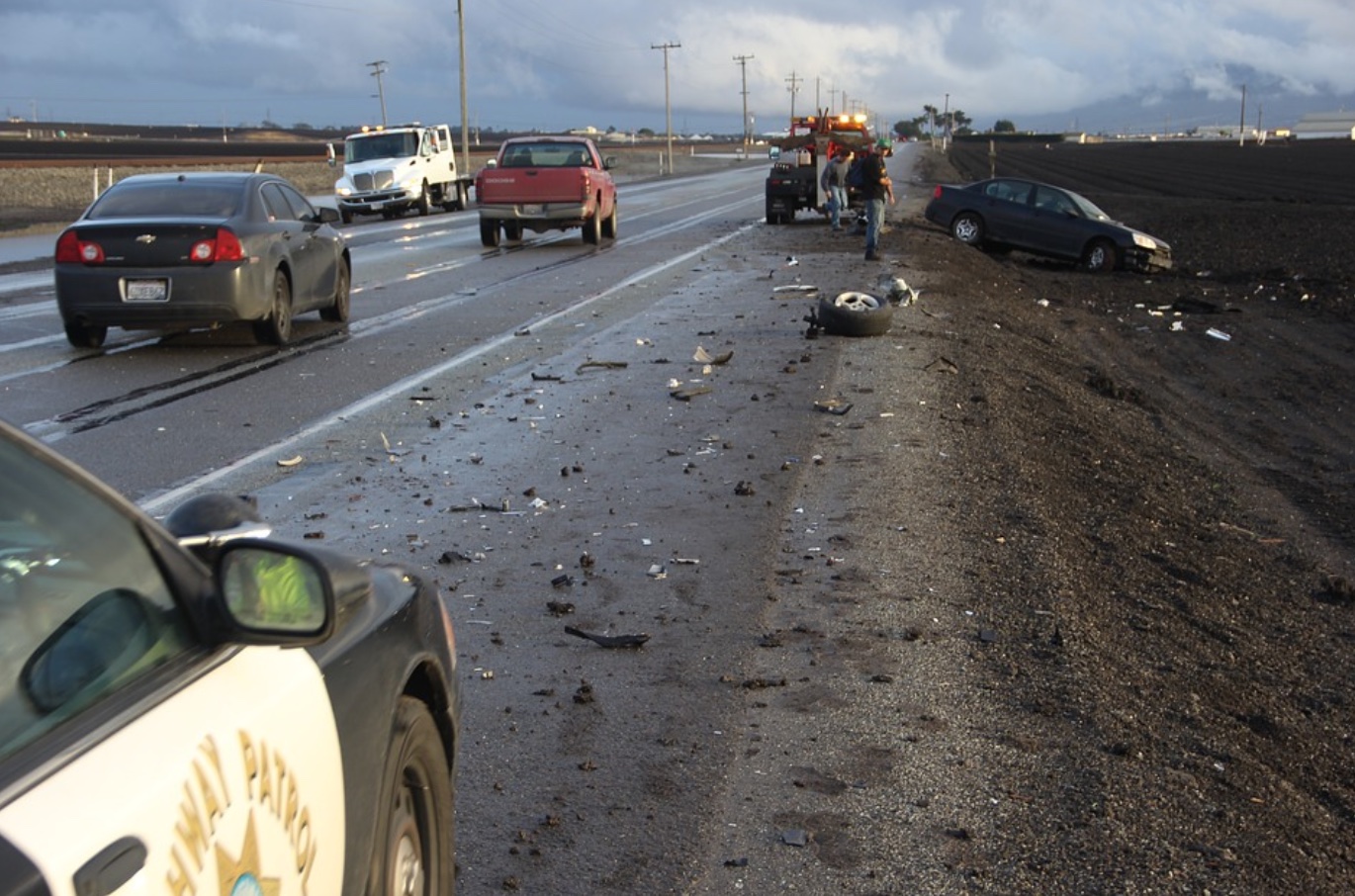
Group materials like the police report, witness statements, and property damage estimates.
When a car accident turns your life upside down, your #1 priority should be the health and safety of everyone involved. The second (and something easy to overlook in the moment) is thorough documentation. In Georgia, your ability to recover compensation doesn’t necessarily depend on what actually happened, but on what you’re able to prove.
Every loss tied to your crash, economic or non-economic, must be backed by evidence. That documentation becomes the foundation of your personal injury claim, and detailed records will help an Atlanta car accident lawyer fight for the compensation you deserve.
Why Documenting Damages After a Car Accident is Crucial for Your Lawsuit
Your injuries after a car accident might seem obvious to you, but without complete documentation, the legal system won’t be able to see what you’ve suffered. Insurance companies, judges, and defense attorneys don’t care about assumptions; they want proof.
To succeed in a personal injury claim, you must show that the accident caused specific, measurable losses. This means substantiating every consequence of the crash, like how much income you lost, what your treatment cost, how long your recovery took, and how the accident has impacted your daily life. Every medical record, photo, receipt, or written account builds a stronger claim, helping your Atlanta car accident lawyer tell the whole story of your losses.
When fault is contested (as it often is in car accidents in Georgia), documentation can also protect you from unfair blame. Under Georgia’s modified comparative negligence rule, your compensation can be reduced or denied entirely if you’re found 50% or more at fault. Solid evidence helps push back against those arguments and strengthen your claim against the at-fault driver.
What You Should Do Immediately After a Car Accident in Georgia
What you do at the accident scene and in the hours that follow can have a lasting impact on your ability to succeed when filing a personal injury lawsuit. Here’s what to prioritize if you’re involved in a car accident in Georgia.
- Call 911 and Request a Police Report
Even if the collision seems minor, as soon as the accident occurs. Formal police reports document who was involved, where accidents occurred, and any initial findings of fault. Insurance companies rely heavily on these reports, and so do attorneys.
- Get Medical Attention ASAP
Some injuries, like soft tissue damage or internal trauma, take hours or even days to exhibit symptoms. Getting checked out early protects your health and creates a medical record that connects your injuries to the accident.
- Document the Scene (If You’re Able)
Use your phone, or have someone else take photos and video of the vehicles, damage, skid marks, road conditions, and anything else that shows how the crash happened. These images can be pivotal for establishing liability and assessing property damage.
- Collect Contact Information
Get the names, phone numbers, and insurance details of every driver involved. If anyone witnessed the crash, ask for their contact information as well. Witness statements can provide essential backup later.
- Avoid Speaking with Insurance Adjusters
If an insurer contacts you early, it’s probably to try and limit what they owe. Politely decline to make any statements until you’ve spoken with an attorney. Saying the wrong thing, intentionally or not, can weaken your insurance claims or be used against you in court.
- Contact a Lawyer Early
Before the paperwork piles up and deadlines pass, speak with an Atlanta car accident lawyer. Early legal guidance can help you avoid costly mistakes, preserve time-sensitive evidence, and position your case for success. Most personal injury attorneys offer a free consultation, so there’s no risk in finding out where you stand, or whether legal action is even appropriate.
Tips for Documenting Damages After a Car Accident
Accurate, organized documentation is one of the best tools available in personal injury cases. Follow these tips to help you preserve evidence, strengthen your claim, and give your attorney the leverage they need to pursue full compensation:

- Keep all medical bills and records: Save every document tied to your care, including hospital records, doctor’s notes, prescriptions, physical therapy invoices, and receipts for out-of-pocket expenses.
- Track lost wages and work limitations: If you’ve missed work or can’t return to your job in the same capacity, keep documentation. Pay stubs, direct deposit records, or a letter from your employer help support a claim for lost income.
- Photograph injuries, property damage, and your recovery: Take clear, time-stamped photos of visible injuries, vehicle damage, and anything that reflects how your life has been disrupted. Continue documenting your recovery: mobility devices, surgical scars, or ongoing complications might all be important later.
- Maintain a recovery journal: A written log of your pain, limitations, and/or emotional distress offers context that medical records can’t capture. Juries respond to personal stories, and your journal can show how any injuries or disruptions you experienced were direct results of the accident.
- Organize all supporting documents: Group materials like the police report, witness statements, and property damage estimates. Keeping organized records helps your Atlanta car accident lawyer build your case faster and more effectively.
The Role of Documentation in Strengthening Your Claim
If you’ve been injured in a car accident in Georgia, keeping the right documentation can make the difference between a denied claim and meaningful compensation. An experienced Atlanta car accident lawyer will take the evidence you’ve gathered and turn it into a strong, well-supported case.
If you were hurt, don’t waste any time. The earlier you start collecting documentation and get effective legal guidance, the stronger your position will be.
Join the conversation!