
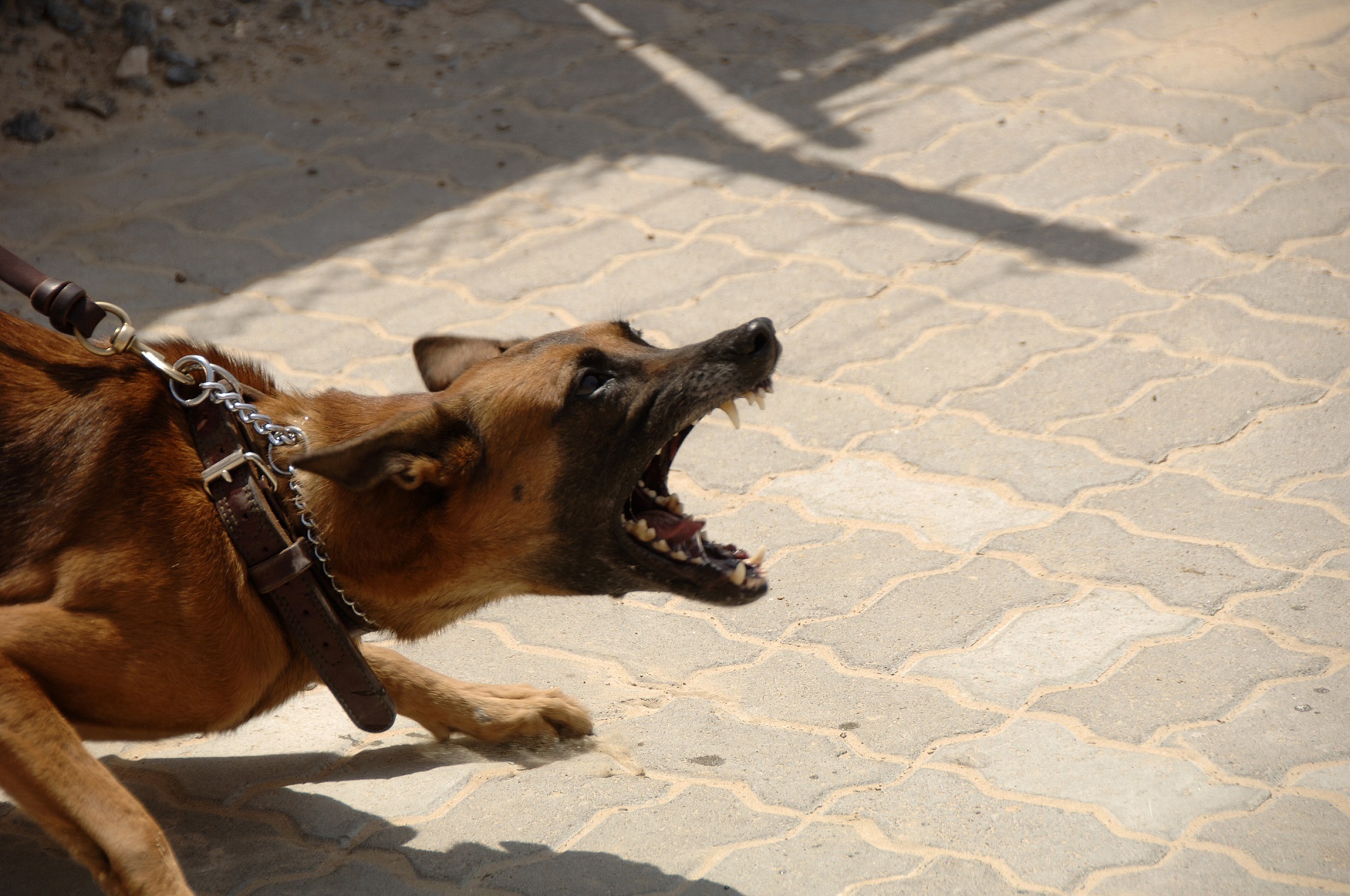
New York law gives child dog bite victims meaningful protections, including tolled deadlines and a strict liability framework for medical costs, but those protections require timely action to apply effectively.
Children account for a disproportionate share of serious dog bite injuries in the United States, and that pattern holds in communities across Long Island, including Melville. The reasons are partly physical, partly behavioral, and partly legal. Understanding why children face a greater risk, how New York law treats dog bite claims involving minors, and what steps a parent or guardian can take after an incident gives families a clearer picture of their options before any legal window closes.
Why Children Sustain More Severe Injuries
After a dog bite incident involving a child, families often learn that the severity of injuries in younger victims is directly tied to physical size and proportion. A dog that causes a minor wound on an adult can inflict a disfiguring or life-threatening injury on a small child, simply because the child’s head and face are closer to the dog’s mouth level. As explained by a Melville dog bite lawyer, children also lack the physical strength to pull away from an attacking dog, which can extend the duration of contact and worsen injury outcomes.
Wounds to the face, scalp, and neck are significantly more common in children under ten than in adult victims, according to data from emergency medicine research on dog bite patterns.
New York’s Strict Liability Standard for Dog Bites
New York Agriculture and Markets Law Section 123 imposes strict liability on dog owners for medical and veterinary costs when their dog injures a person, provided the owner knew or should have known the dog had dangerous propensities. This is sometimes called the “one bite rule” in common usage, though that label oversimplifies how courts apply it.
For damages beyond medical costs, including pain and suffering or lost future earnings, a plaintiff must demonstrate that the owner had prior knowledge of the dog’s dangerous behavior. Evidence of prior aggression, complaints to animal control, or breed-specific local restrictions can all be relevant to establishing that knowledge in a case involving a child victim.
How Provocation Affects a Child’s Claim
New York courts recognize provocation as a defense in dog bite cases, but they apply it differently when the victim is a young child. The standard for what constitutes provocation is assessed in light of the child’s age and capacity to understand that certain conduct might trigger a dog’s aggression.
A toddler who pulls a dog’s ear or approaches it while it is eating is unlikely to be found to have legally provoked the animal, because the child lacks the cognitive development to appreciate the risk. This distinction matters when insurance companies attempt to reduce or deny a claim based on the child’s behavior at the time of the bite.
Suffolk County Animal Control and Reporting Requirements
Suffolk County, which includes Melville, has its own animal control regulations that require dog bites to be reported. When a dog bites a person, the incident is typically reported to the Suffolk County Society for the Prevention of Cruelty to Animals or local animal control, and the dog may be subject to a quarantine period.

That report creates an official record of the incident, which can serve as evidence in a civil claim. Families should request a copy of any animal control report filed after the bite, as it may document prior complaints about the dog or the owner’s acknowledgment of the incident.
The Statute of Limitations and Minor Victims
In New York, the standard statute of limitations for personal injury claims is three years under CPLR Section 214. However, when the injured party is a minor, the limitations period is tolled, meaning it does not begin running until the child turns eighteen.
This gives families more time than the standard deadline suggests, but waiting is not without risk. Evidence fades, witnesses become unavailable, and the dog’s ownership history can become harder to trace. Acting within a reasonable time after the injury preserves the quality of the evidence available to support the claim.
Long-Term Damages That Are Unique to Child Victims
Children injured in dog attacks may face decades of consequences that adult victims do not. Facial scarring in a young child affects them throughout their development, schooling, and adult life in ways that translate into substantial non-economic damages under New York law.
Psychological harm is also a significant factor. Post-traumatic stress, phobias, and anxiety disorders following a dog attack are well-documented in pediatric populations, and these conditions may require long-term treatment. A damages claim for a child victim can account for future therapy costs, reconstructive procedures, and the lasting effect on quality of life.
What Families in Melville Should Know Before Acting
New York law gives child dog bite victims meaningful protections, including tolled deadlines and a strict liability framework for medical costs, but those protections require timely action to apply effectively. Understanding the steps to take after a dog bite incident can be important because evidence deteriorates, ownership records change, and insurance policies have their own reporting windows that operate independently of court deadlines. Families who understand the legal structure surrounding these claims are better positioned to make informed decisions about how and when to pursue them.
Join the conversation!