

Monthly buprenorphine injections for OUD has increased sharply, with access varying nationwide.
The use of opioid treatment prescriptions is growing quickly across the United States, according to new research that took a look at prescription trends over several years. While more people are receiving opioid treatment prescriptions than ever before, the study also found major differences in how widely a particular drug is being prescribed from one state to another. The medication, known as long-acting injectable buprenorphine, is given as a monthly shot and is used to help people recover from opioid addiction. Buprenorphine has been a common treatment for opioid use disorder (OUD) for many years, but the injectable version became available in 2018 after receiving approval from the U.S. Food and Drug Administration (FDA).
Unlike opioid drugs such as heroin or fentanyl, buprenorphine works by partially activating opioid receptors in the brain, which helps reduce withdrawal symptoms and cravings while lowering the risk of overdose. The injectable form slowly releases medication into the body over an entire month, providing a steady supply without requiring a daily pill or film. Researchers reviewed prescription records in the three-year span from 2021 through 2024, examining billions of prescriptions filled each year across the country. Their analysis focused on how often injectable buprenorphine was prescribed, which insurance programs paid for it, and what types of medical professionals were writing the prescriptions for the drug. The findings showed a significant rise in the use of the monthly injection. In the three-year study period, prescriptions for injectable buprenorphine increased by ten times.
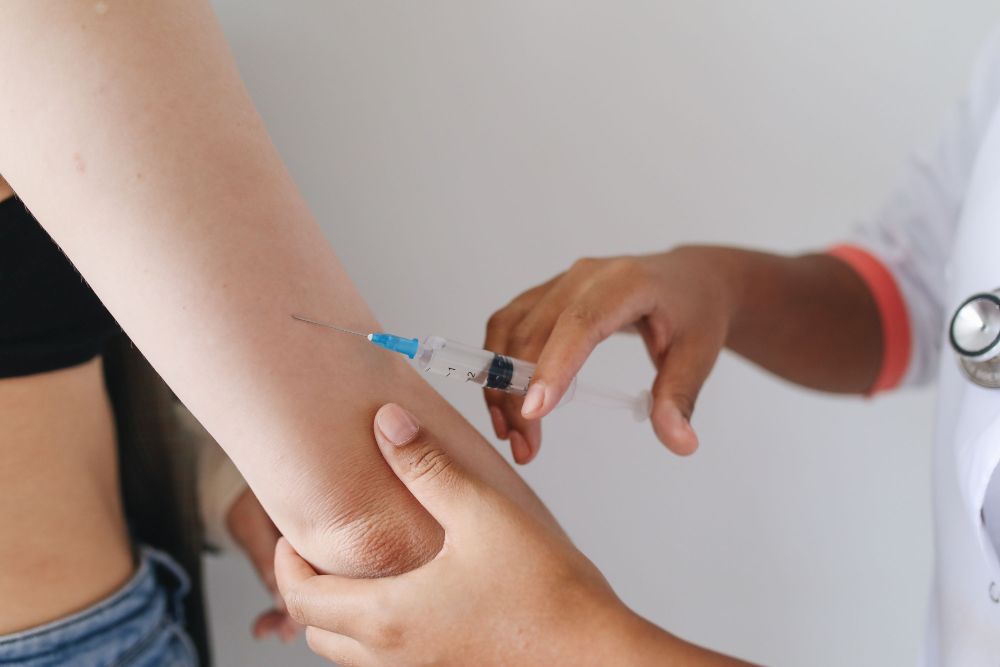
For some people struggling with OUD, taking medication every day can be difficult, and missing doses can increase the risk of relapse or overdose. A monthly injection may help reduce those concerns by keeping medication levels steady for weeks at a time. This can be especially helpful for people who have unstable housing, transportation problems, or a history of overdose. The study found that Medicaid played a major part in expanding access to injectable buprenorphine, too. Medicaid is a government-gun healthcare program that provides health coverage for millions of lower-income Americans and people with disabilities. Buprenorphine prescriptions paid for through Medicaid increased significantly during the study period.
Several states stood out for having especially high rates of injectable buprenorphine use with Pennsylvania, Louisiana, Alaska, and Ohio reported some of the strongest adoption rates. Researchers believe that policies within those states may have made the medication easier for patients to obtain through Medicaid programs. At the same time, the data revealed wide gaps between states. In some areas, less than one percent of buprenorphine prescriptions were for the injectable version. In others, almost thirteen percent of buprenorphine prescriptions were being written for the monthly shot by 2024.
Another finding from the study worth noting involved the types of medical professionals prescribing the medication. Nurse practitioners (NPs) and physician assistants (PAs) accounted for a growing share of injectable buprenorphine prescriptions. Their involvement expanded at a faster pace than that of physicians in many locations. Community mental health clinics, where Medicaid plans are often accepted, and addiction treatment facilities tend to hire NPs, further substantiating the correlation between rising buprenorphine prescriptions paid with through Medicaid.
The results suggest that long-acting injectable buprenorphine is becoming an increasingly important tool in the fight against opioid addiction. Even with its rapid growth, access remains uneven across the country. Researchers believe that state policies, insurance coverage decisions, and provider participation will continue to shape how widely this treatment reaches those who need it most.
Sources:
Uptake of buprenorphine treatment for opioid use disorder is highly uneven across the United States
Uptake of a Treatment for Opioid Use Disorder is Highly Uneven Across the United States
Long-Acting Injectable Buprenorphine: Uptake Was Rapid But Uneven, 2021–24
Join the conversation!