
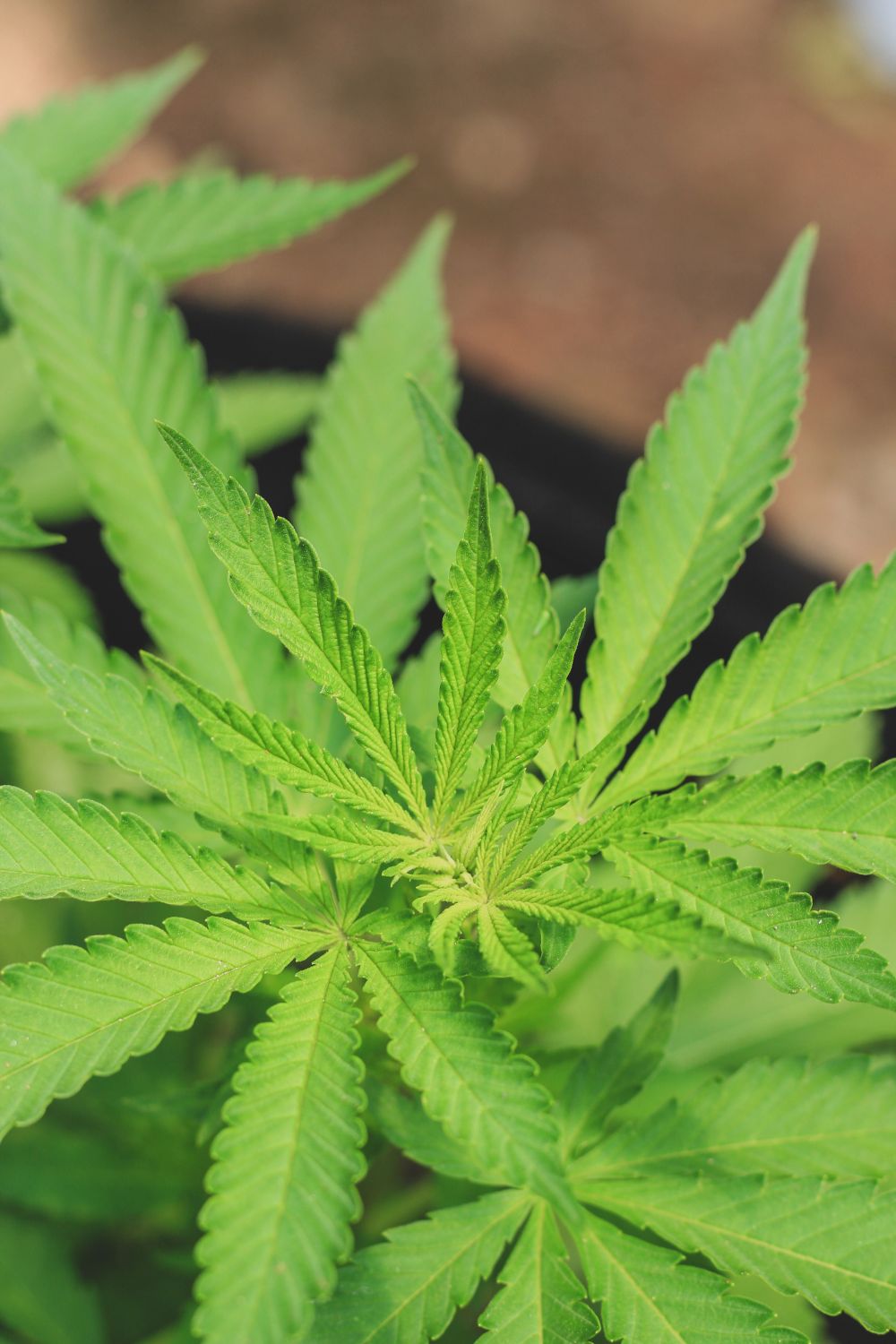
The revised guidance re-categorizes delta-8 as a controlled substance, making it illegal for most businesses to continue selling delta-8-containing products. The same restriction extends to hemp-derived THC products, including both delta-8 and delta-10.
A recently-filed lawsuit seeks to upend Texas’s new rules on THC, a series of changes that the hemp industry claims could take popular delta-8 products off the shelves and force many cannabis-adjacent businesses into bankruptcy.
According to CBS-Austin, the Texas Department of State Health Services’ new guidance went into effect on Friday. The revised guidance rebrands delta-8 as a controlled substance, making it illegal for most businesses to continue selling delta-8-containing products. The same restriction extends to hemp-derived THC products, including both delta-8 and delta-10.
Delta-9 THC, the most commonly-sold THC product in Texas, will remain legal and available.
The Texas Tribune notes that the change stems from a state Supreme Court decision in May that permits the Texas Department of State Health Services to reclassify any and all hemp-derived THC products. The ruling effectively ends a 2021 injunction that prevented DSHS from enforcing the new categorization as a controlled substance.
Sarah Todd, a media representative at the Texas Cannabis Policy Center, told the Tribune that could come at an incredibly high cost for businesses and consumers alike.
“It’s a pretty big blow, and it’s recriminalizing a lot of cannabis products that have been completely legal and allowable in the state for many years, so we’re taking steps backward toward prohibition,” Todd told the Tribune.
Similarly, Mark Bordas of the Texas Hemp Business Council said that enforcement could upend the entire hemp industry.
“There’s going to be widespread, irreparable damage done to an $11 billion-a-year industry,” he said.
The lawsuit, filed on behalf of three hemp businesses, claims that the state’s rescheduling of delta-8 and delta-10 conflicts with federal law.
“When unelected bureaucrats decide to create their own law,” Bordas told CBS-Austin, “it’s time to challenge it.”
The Tribune writes that, with the new rules in effect, possession of now-illegal THC products can be charged as a “state jail felony,” carrying punishments of up to two years in prison and fines of up to $10,000. Bordas said that many of the same penalties apply to businesses, which also risk their operating licenses and criminal charges for the manufacture and distribution of Schedule I substances.
The lawsuit asks a federal judge to immediately prohibit enforcement of the new THC rules, which the plaintiffs say violate due process, contradict federal law, and hurt businesses with interests in multiple states.
Sources
Could a new federal lawsuit stop the Texas THC ban?
Hemp groups sue to block Texas health agency’s delta-8 THC ban, citing harm
Texas is banning several THC products. Find out what will still be legal on July 31.
Join the conversation!